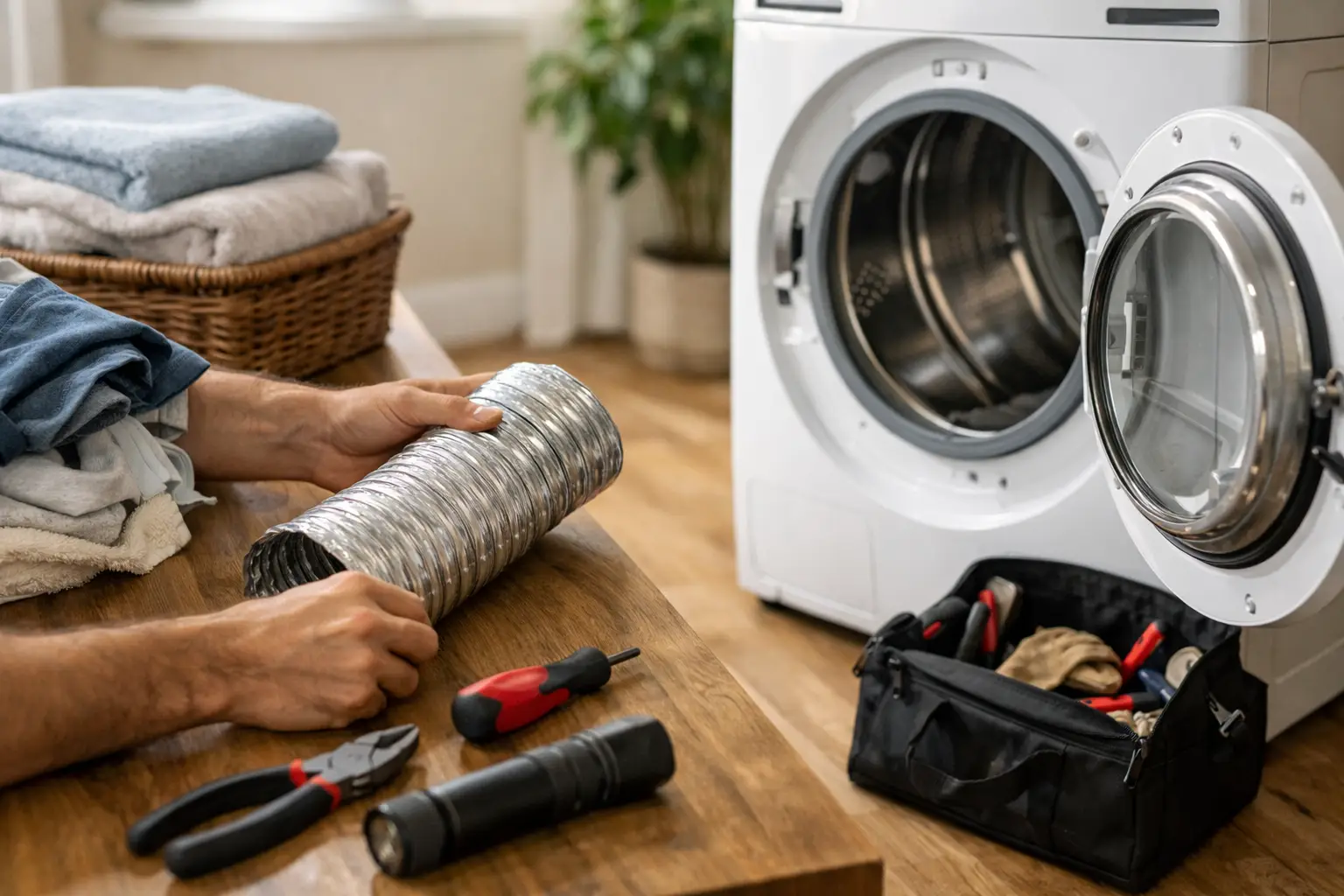





Appliance Repair 90 Day Warranty Explained
Understand an appliance repair 90 day warranty, what it covers, and when to call for refrigerator, washer, dryer, oven, or dishwasher help before booking.
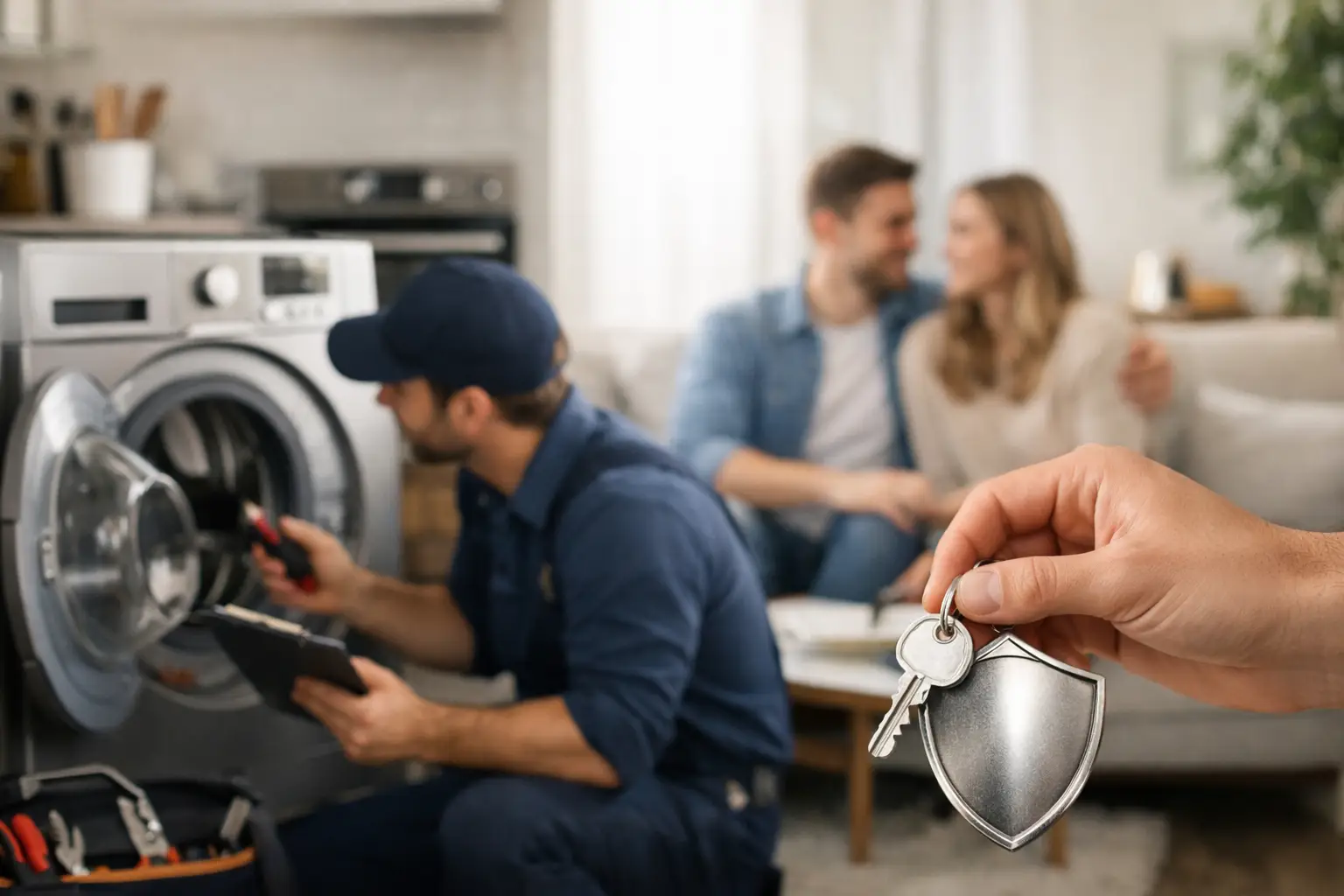
A refrigerator that stops cooling again two weeks after a repair is frustrating. You should not have to guess whether you are starting over with a new service call. An appliance repair 90 day warranty gives you a clear period to report a problem related to the completed repair or installed part.
For West Hollywood homeowners, renters, landlords, and property managers, warranty coverage is about more than paperwork. It helps reduce the risk of repairing an appliance that your household or tenant needs every day. Still, it helps to understand what a 90-day warranty does cover and what it does not cover before scheduling service.
What an Appliance Repair 90 Day Warranty Covers
At Vertex Appliance Repair, the 90-day warranty applies to completed repairs and installed parts. If the same repaired issue returns during the warranty period, contact the repair company with the appliance model and the date of service. This gives the technician a starting point for checking the original work.
For example, a washer may not drain because its drain pump failed. If a new drain pump is installed and the washer has the same draining problem shortly after, that is the type of situation that should be reviewed under the warranty.
The same idea applies to other repairs. A refrigerator may need a fan motor. A dryer may need a heating part. A dishwasher may need a water inlet valve. When the repair is completed, the warranty supports the repair work and the part installed for that specific problem.
A warranty also gives you a reason to keep your service receipt. Save the invoice, repair date, appliance model number, and a short note about the original symptom. This is especially useful for landlords and apartment managers handling several units.
What a 90-Day Repair Warranty Does Not Mean
A repair warranty does not mean every future appliance problem is covered for 90 days. Appliances have several parts, and more than one part can fail over time.
A dryer may have a failed heating element repaired today. A month later, it may make a loud scraping sound because of worn drum rollers. The new noise is a separate issue. It needs its own diagnosis, even though it happened during the warranty period.
The same is true for a refrigerator with more than one problem. A repair to restore cooling does not automatically cover a later ice maker failure, a damaged door gasket, or a water line leak. Those parts do different jobs.
Damage caused after the repair is also different from a warranty concern. A broken shelf, a crushed hose, a power surge, pest damage, or poor ventilation can affect an appliance after service. The technician needs to inspect the appliance before deciding whether the new problem is related to the completed repair.
This is not a way to make the warranty difficult. It is how a fair warranty works. It covers the repair that was done, not every part inside an older appliance.
Why the Original Diagnosis Matters
The best warranty experience starts with a careful diagnosis. The visible symptom is not always the failed part.
Take a dishwasher that leaves water in the bottom. The problem could be a clogged filter, a blocked drain hose, a drain pump, or a problem at the sink connection. Replacing a part without checking the full drain path can leave the real problem behind.
A good service visit includes checking the appliance operation before and after the repair. The technician should explain what failed, what part is being replaced, and whether there are other conditions that could affect the appliance. Simple notes like these help you understand what the warranty relates to later.
Some repairs also depend on conditions outside the appliance. A dryer can overheat when the outside vent is blocked. A refrigerator can run poorly when it is packed tightly into a cabinet with little airflow. An oven may not heat correctly if there is a power supply problem. Repairing the appliance part is necessary, but the outside condition may also need attention.
What to Do If the Same Problem Comes Back
Do not wait until the appliance fully stops working if you notice the original symptom returning. Call while the details are fresh. Explain what the appliance is doing now and whether it is the same as before.
Before you call, check a few safe basics. Make sure the appliance has power. Check that a refrigerator door closes fully. Confirm that a washer supply valve has not been turned off. Look for an obvious kink in a dishwasher drain hose. Do not take panels off or try to test electrical parts yourself.
It also helps to have the model number ready. It is often found inside the refrigerator compartment, around the washer or dryer door opening, on the dishwasher door frame, or near the oven door. For property managers, include the unit number and the tenant’s best contact time.
When you report a warranty concern, describe the symptom instead of guessing at the part. Say that the dryer runs but does not heat, or that the refrigerator freezer is cold but the fresh food section is warm. Clear details help the technician bring the right tools and plan the visit.
Repairs and Parts Need Normal Use
Appliances need normal care after a repair. This protects the appliance and helps the repair last.
Keep refrigerator vents clear and clean heavy dust from accessible condenser areas when appropriate. Do not overload a washer or dryer. Clean the dishwasher filter if your model has one and the manufacturer recommends it. Use the correct cookware on a cooktop. Keep oven door seals clean and avoid slamming the door.
For dryers, pay close attention to lint. Clean the lint screen after every load. If clothes take too long to dry, the dryer feels very hot, or you smell something burning, stop using it and have the venting checked. A blocked vent can create a problem that is not caused by the dryer part that was repaired.
For rental units, simple tenant instructions can prevent repeat calls. Let tenants know where the water shutoff is, how to report a leak quickly, and why they should not keep running an appliance that is making a loud new noise. Small problems can become larger ones when an appliance keeps operating under strain.
When Repair Is Still the Right Choice
A 90-day warranty is valuable, but the condition of the appliance still matters. A repair is often a sensible choice when the machine has one clear failed part and the rest of the appliance is working well.
It may be worth discussing replacement when an older appliance has several failing systems, repeated leaks, major cabinet damage, or an expensive control problem. There is no single age that decides it. A built-in refrigerator, wine cooler, or range may be worth repairing because replacement can involve cabinet changes, delivery issues, and a longer disruption.
During a service visit, ask what caused the failure and whether the technician found signs of another near-term issue. You do not need a promise that an older appliance will never need another repair. You need a clear explanation so you can make a reasonable decision.
Clear Service Terms Make Repairs Less Stressful
Before approving a repair, ask what work is being done and what warranty applies. At Vertex Appliance Repair, the diagnostic fee is $69 and is waived when you approve the repair. The 90-day warranty covers completed repairs and installed parts.
That clarity matters when a refrigerator is full of groceries, a tenant has no working washer, or a dishwasher leak is holding up a move-in. You can call 323-747-7098 to discuss the appliance problem and available appointment times in West Hollywood and nearby neighborhoods.
If an appliance was recently repaired and the same symptom returns, keep it simple: stop using it if it seems unsafe, save your invoice, and report the problem early. A quick follow-up is usually easier than waiting for a small symptom to turn into a bigger interruption.
Related articles
Oven Temperature Troubleshooting at Home
Refrigerator Not Cooling With Frost on the Freezer Wall — Heater or Thermistor?