




Appliance Repair for Condo Owners Made Clear
Appliance repair for condo owners: learn what you can check, who approves repairs, and when to call a local West Hollywood technician for help today.
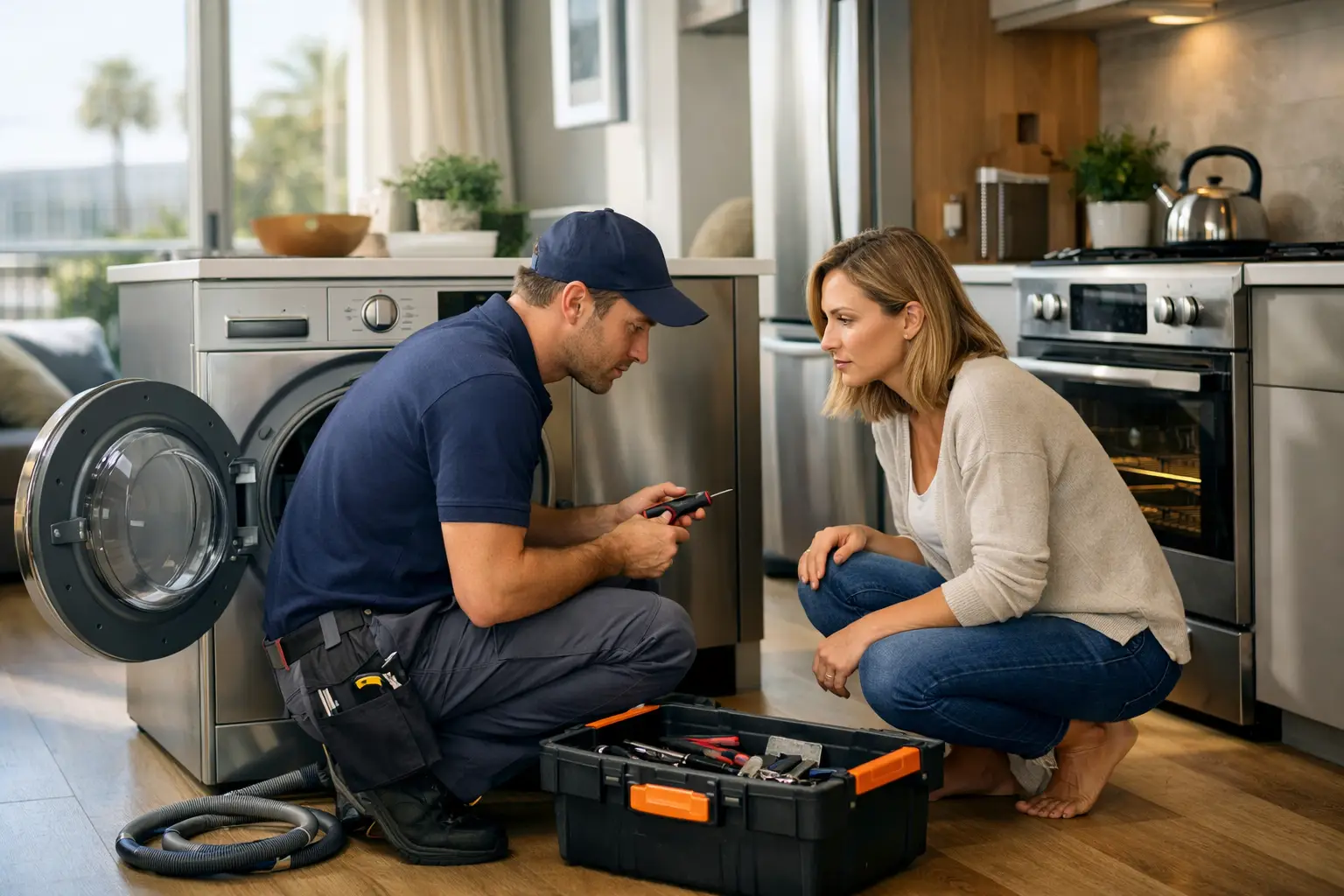
A refrigerator that stops cooling or a washer that will not drain is stressful in any home. Appliance repair for condo owners can add another problem: you may need to know whether the appliance, water line, vent, or electrical issue is your responsibility or the building’s. A quick call to the HOA or property manager can prevent delays and avoid work on something the association needs to handle.
What Condo Owners Usually Handle
In most condos, the owner is responsible for appliances inside the unit. This often includes the refrigerator, dishwasher, oven, range, cooktop, washer, dryer, wine cooler, and ice maker. If the appliance is yours, you normally arrange and pay for the repair.
The building may be responsible for shared systems. Examples can include a main water pipe, a building electrical problem, a shared dryer vent, or damage caused by plumbing outside your unit. Every building has different rules. Your HOA documents, often called CC&Rs, are the best place to check.
Do not assume a leak is only an appliance problem. A dishwasher may be leaking from its own hose. But water can also come from a failing shutoff valve, a drain connection, or a pipe in the wall. If water is reaching the unit below, notify building management right away. Then turn off the appliance and, if safe, close the nearby water valve.
Before Scheduling Appliance Repair for Condo Owners
You do not need to take appliances apart. A few simple checks can help you explain the problem clearly and may save time during the visit.
For a refrigerator, check whether the outlet has power and whether the temperature controls were changed by accident. Keep the doors closed as much as possible if food is warming up. If you see water on the floor, remove items near the leak and protect the flooring with towels.
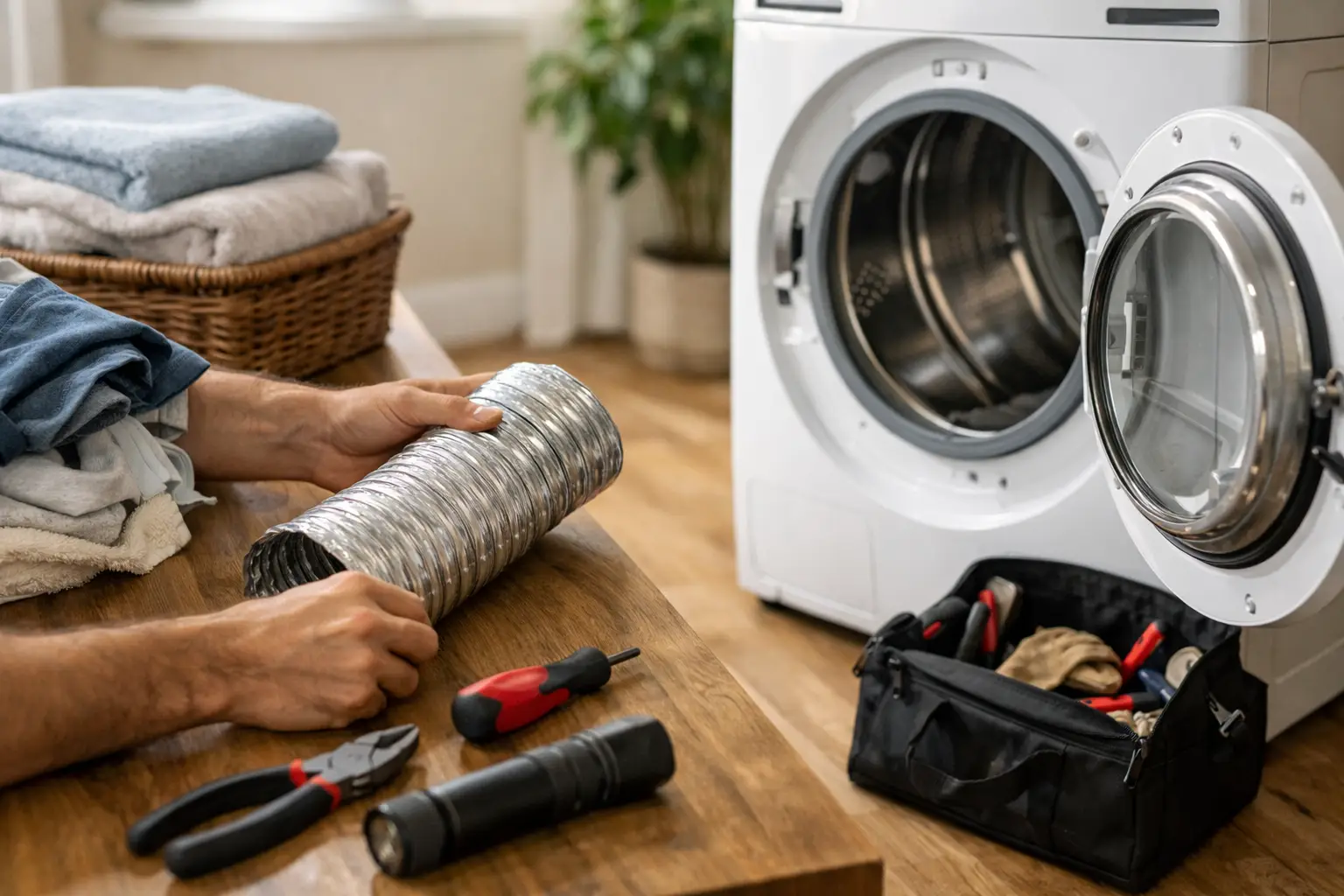
For a washer, do not keep restarting a cycle if water is not draining. A washer with standing water can overflow when the door is opened or when another cycle begins. For a dryer, stop using it if you smell burning, hear scraping, or find that clothes are taking much longer to dry. Those signs can point to an airflow problem, a worn part, or lint buildup.
With a dishwasher, look for water around the door and under the cabinet. With an oven or cooktop, pay attention to error codes, burners that do not heat, or a gas smell. If you smell gas, do not try to relight or repair anything. Leave the area if needed and follow your building’s gas safety instructions.
Have the appliance brand and model number ready when you call. The model tag is often inside the refrigerator, around the dishwasher door frame, on the washer opening, or behind the dryer door. A photo of the model tag and the error code can help identify possible parts before the appointment.
Condo Access Can Affect the Repair Visit
A repair that takes one visit in a house can take more planning in a condo. Many buildings have parking rules, loading areas, elevator reservations, front desk check-in, and service-hour limits. Some require proof of insurance from vendors. Others will not allow a technician to enter without the owner present or written approval.
Ask your manager what is needed before the appointment. If the appliance is built in, the technician may also need enough room to pull it forward safely. Clear dishes from the dishwasher, food from the refrigerator area, laundry from the machines, and items stored around the appliance.
Older condo buildings can create access issues that are easy to miss. A stacked washer and dryer may sit inside a tight closet. A built-in refrigerator may be surrounded by custom panels. A wine cooler may have limited ventilation space. These appliances can still be repaired, but access affects how long the work takes and whether a second person or building approval is needed.
When a Building Issue Looks Like an Appliance Failure
Sometimes the appliance is working correctly, but the connection serving it is not. This happens more often in multi-unit buildings than many owners expect.
A dryer that will not dry can have a blocked shared vent route. A refrigerator ice maker may not fill because of low water pressure or a shutoff issue. A dishwasher may not drain if there is a plumbing problem beyond the appliance connection. An oven that loses power may be affected by a breaker or electrical issue outside the unit.
A technician can inspect the appliance and its immediate connections. If the cause is building plumbing, a shared vent, or an electrical supply issue, you will have useful information to give the HOA or building maintenance team. That is better than replacing a part that was not actually the problem.
This is also why clear communication matters. Tell the technician if neighbors have had similar problems, if the building recently shut off water or power, or if work was done nearby. Small details can point to the real cause.
Repairs, Replacements, and HOA Rules
Not every failed appliance should be repaired. The decision depends on the problem, part availability, age, condition, and the appliance’s fit in the space. A simple drain pump, door latch, heating element, or ice maker part may be worth repairing. A unit with several major failures may not be.
Replacement in a condo can be more complicated than repair. The new appliance must fit through hallways, elevators, and door openings. It also needs to fit the cabinet opening and match the electrical, gas, water, drain, or vent connections already in place. A larger refrigerator or a deeper dishwasher can create problems with cabinet doors, walkways, or building rules.
If you are replacing a gas range, built-in appliance, or stacked laundry unit, check with the HOA before ordering. Some buildings have rules about gas connections, venting, noise, installation hours, or approved contractors. Getting those answers first reduces the chance of a new appliance sitting in the hallway while you wait for approval.
If You Rent Out the Condo
Landlords and property managers need a simple process when an appliance stops working. Ask the tenant for the brand, model number, a photo of any error code, and a short description of what happened. It also helps to ask whether there is leaking water, a burning smell, or food at risk in the refrigerator.
Confirm who can provide access. If the tenant cannot be there, make sure building entry rules are handled in advance. Give the technician a reliable contact number in case approval is needed for a repair or a part order.
Keep records of the diagnosis, repair, and parts installed. This helps with future maintenance and makes it easier to spot repeat problems. For example, a dryer that repeatedly overheats may need more than a new part if the vent path has an ongoing restriction.
What to Expect From a Local Repair Visit
A good repair visit starts with diagnosing the actual problem. The technician checks the symptoms, tests the appliance, and looks at the connections that can affect operation. You should know what failed, what repair is recommended, and whether a part needs to be ordered before work begins.
At Vertex Appliance Repair, the diagnostic fee is $69 and is waived when you approve the repair. Completed repairs and installed parts include a 90-day warranty. For condo owners in West Hollywood and nearby neighborhoods, it helps to mention building access rules when scheduling so the visit can be planned properly.
If your refrigerator is warming, your washer is leaking, or your dryer is taking too long, stop using the appliance when there is a safety concern. Then check the building rules, gather the model information, and arrange a repair visit. A little preparation can keep a small appliance problem from turning into a building-wide headache.
Related articles
Oven Temperature Troubleshooting at Home
Refrigerator Not Cooling With Frost on the Freezer Wall — Heater or Thermistor?