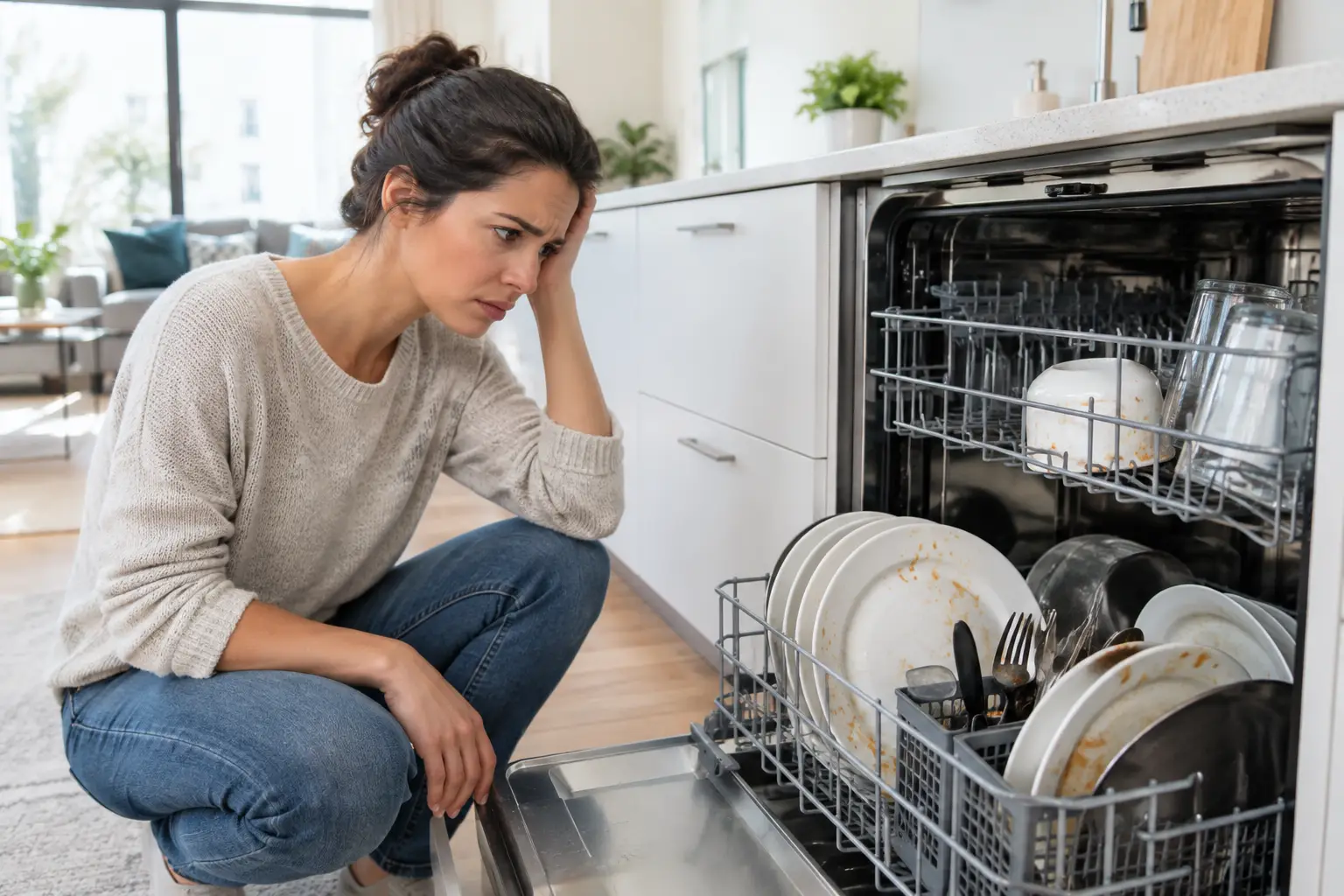





Appliance Repair Hancock Park: Common Faults
Need appliance repair Hancock Park? Learn what to check first, when to call, and how Vertex handles in-home repairs with a 90-day labor warranty included.
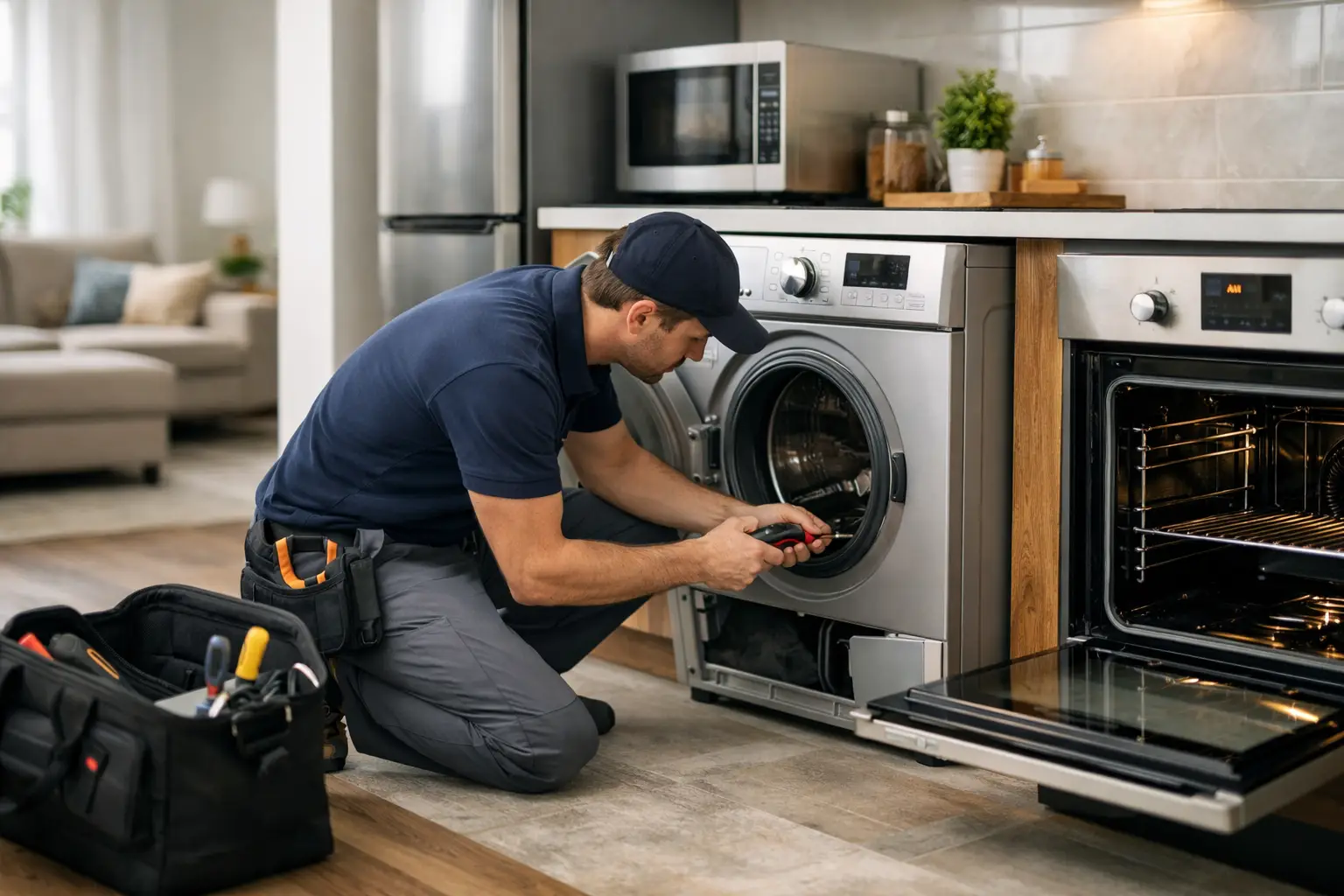
A refrigerator that stops cooling can turn into a food-loss problem by the end of the day. A washer that will not drain can leave a load of wet clothes sitting in the drum. For appliance repair Hancock Park residents can schedule in-home help without moving a heavy appliance or guessing at the cause.
Hancock Park homes often have a mix of appliance types. Some kitchens have built-in refrigerators, wall ovens, cooktops, and wine coolers. Other homes have newer standard appliances. The right repair starts with a clear diagnosis. A symptom may look simple, but several parts can cause the same problem.
When an appliance problem needs service
Some issues can wait a day or two. A light bulb inside a refrigerator or a loose dishwasher rack is usually not urgent. Other problems should be checked soon because they can cause water damage, food spoilage, or an electrical safety concern.
Call for service if you see water under a refrigerator, washer, or dishwasher. Do not keep running an appliance that trips a breaker, smells like burning, or makes a loud new grinding sound. Turn it off at the control panel or unplug it if you can reach the plug safely.
For renters, take a few clear photos of the problem and report it to the landlord or property manager right away. For property managers, quick action can prevent a small leak from becoming a damaged floor or ceiling claim.
A few safe checks before you call
You do not need to take an appliance apart. A few simple checks can save time during the visit. Make sure the appliance has power and that the breaker is not off. Check that the water supply valve is open for a washer, dishwasher, or refrigerator with an ice maker.
For a dryer, clean the lint screen and check whether the door is fully closed. For a dishwasher, look for a kinked drain hose under the sink. For an oven or range, check whether a child lock or control lock is on. If the problem remains, stop there. Pulling panels or forcing a stuck part can make the repair harder.
Refrigerator and ice maker problems
A refrigerator can still have lights and a working display while the cooling system has a problem. If the fresh-food section feels warm, check the door gasket first. A torn or dirty gasket lets warm air in. Also make sure food packages are not blocking the inside vents.
If the freezer is cold but the refrigerator section is warm, airflow may be blocked by frost or a failed fan. If both sections are warm, the cause can be a control problem, a start device, a condenser fan, or a sealed-system issue. These are not problems to diagnose by sound alone.
Ice maker complaints also vary. No ice may come from a blocked fill tube, low water flow, a bad inlet valve, a failed ice maker, or a temperature problem in the freezer. If you need refrigerator repair, the technician should check cooling performance and water supply instead of replacing an ice maker part too quickly.
Keep refrigerator doors closed as much as possible if cooling has failed. Move important food to another working refrigerator or a cooler with ice. Do not assume the unit will recover after several hours if the temperature continues to rise.
Washer and dryer issues that disrupt the whole home
A washer that will not spin or drain often leaves water and clothes inside. Check whether the load is packed tightly to one side. An unbalanced load can stop a spin cycle. If the washer still hums, shows an error code, or will not drain after you redistribute the load, it may have a drain pump, lid lock, hose, or control issue.
Do not keep restarting a washer that is leaking. A loose supply hose is one possibility, but leaks can also come from a door seal, pump, tub hose, or detergent drawer. Using too much detergent can create excess suds and water on the floor, but it does not explain every leak.
Dryers need attention when clothes take two or three cycles to dry, the drum does not turn, or the unit gets unusually hot. A blocked vent is common, but it is not the only cause. A failed heating part, thermostat, belt, motor, or moisture sensor can create similar symptoms. Clean the lint screen after every load and do not run a dryer with a burning smell.
Dishwasher leaks, poor cleaning, and drain problems
A dishwasher that leaves water at the bottom may have a clogged filter, a drain hose issue, or a weak drain pump. Start by removing loose food from the filter area if your model allows easy access. Avoid using chemical drain cleaner in the dishwasher. It can damage internal parts and does not fix a failed pump.
If dishes come out dirty, check the spray arms for blocked holes and make sure large pans are not stopping them from turning. Cloudy glasses can be caused by detergent, water conditions, or a rinse-aid setting. Poor cleaning can also come from low water temperature or a worn circulation pump.
A leak around the door does not always mean the door seal is bad. A bent rack, a blocked spray arm, too many suds, or an uneven machine can push water out. The source needs to be found before a part is ordered.
Oven, range, cooktop, and built-in appliance concerns
Cooking appliances need extra care because they use heat, gas, or high electrical power. If you smell gas, do not try to relight the burner several times. Turn off the appliance if it is safe to do so, leave the area, and follow your gas provider’s safety instructions.
Electric ovens may heat too slowly, heat unevenly, or fail to reach the set temperature. The cause may be a heating element, temperature sensor, relay, or electronic control. A display can appear normal even when an internal part has failed.
For gas ranges, a burner that clicks but will not light may have moisture or food debris around the igniter. Let the area dry after cleaning. If the burner still will not light, if the flame is weak, or if the flame is yellow instead of mostly blue, arrange service. Do not use a sharp tool to widen burner openings.
Built-in appliances require a careful approach. A built-in refrigerator, wall oven, cooktop, or wine cooler may need panels removed or the unit pulled out safely. Measurements, ventilation space, and access to connections all matter. This is one reason an in-home inspection is useful before deciding on the repair.
What to expect from a Hancock Park repair visit
A useful service visit begins with the model number and a clear description of the symptom. If you have an error code, write it down. Tell the technician when the problem started and whether it happens every cycle or only sometimes. Those details can shorten the diagnostic process.
Vertex Appliance Repair serves Hancock Park and nearby neighborhoods from West Hollywood. The diagnostic fee is $89 and is waived when you approve the repair. Before work begins, you should know what failed, what part is needed if one is required, and what the repair will cost.
Some repairs can be completed during the first visit when the needed part is available. Others require a part order, especially for built-in units or less common models. That depends on the appliance brand, age, and part availability. Replacing a part is not always the best choice. For an older appliance with several worn components, a technician should explain the trade-off clearly.
Repairs include a 90-day warranty on labor and installed parts. Keep the work area clear before the appointment if possible. Remove items from around the appliance, and take food out of a refrigerator if it needs to be moved. For a washer or dishwasher leak, dry the floor and avoid using the appliance until the source is checked.
A broken appliance is disruptive, but guessing can add cost and delay. Save the model number, note the symptoms, and arrange service before a leak, heat problem, or cooling failure gets worse.
Related articles
Apartment Appliance Maintenance Guide for Renters
Frigidaire Washer Stops After 5 Seconds — E5E Is Not the Door Lock