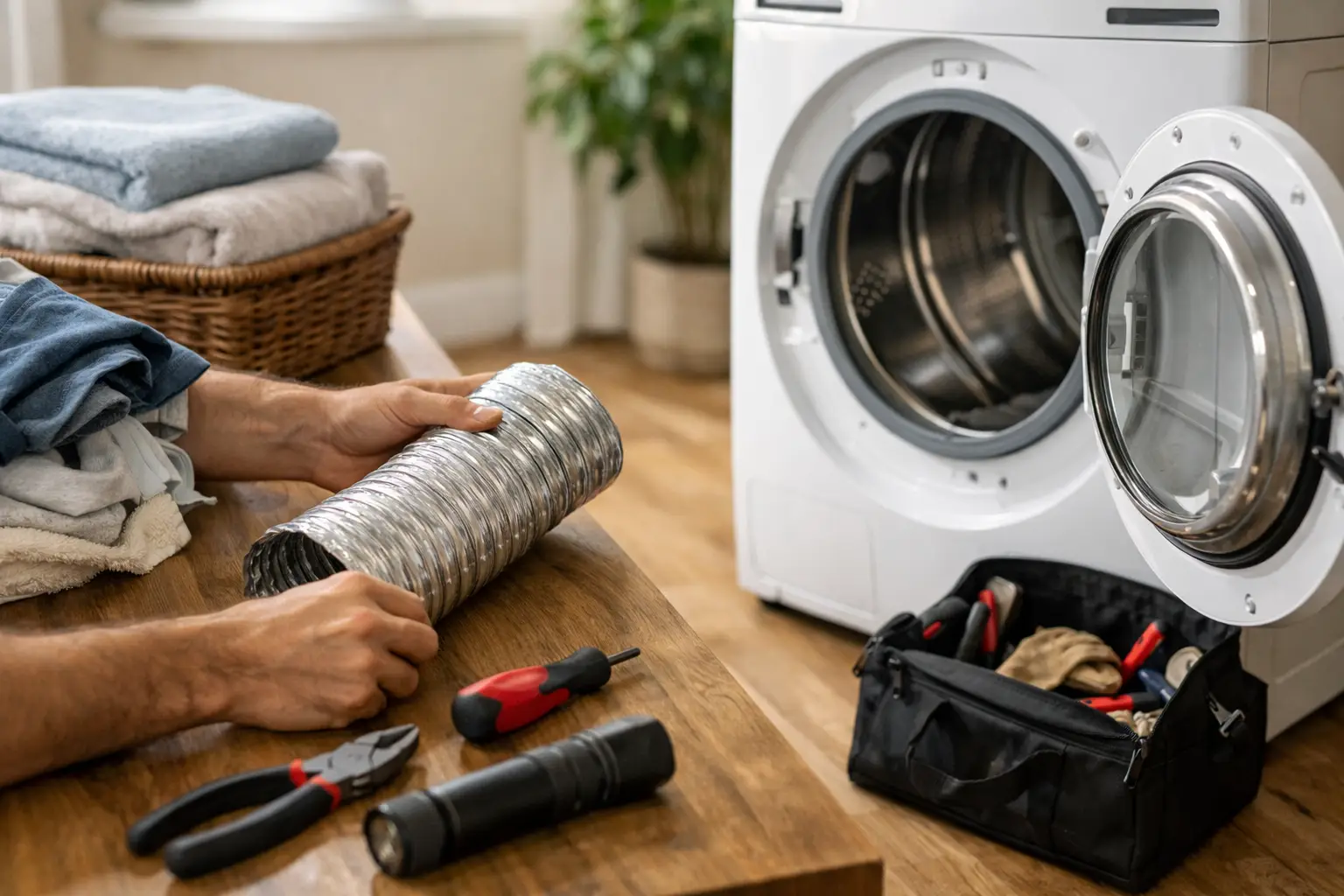





Dishwasher Repair Beverly Grove When It Stops Working
Need dishwasher repair Beverly Grove? Learn what leaks, poor cleaning, strange sounds, and drain problems can mean, plus when to schedule in-home service.
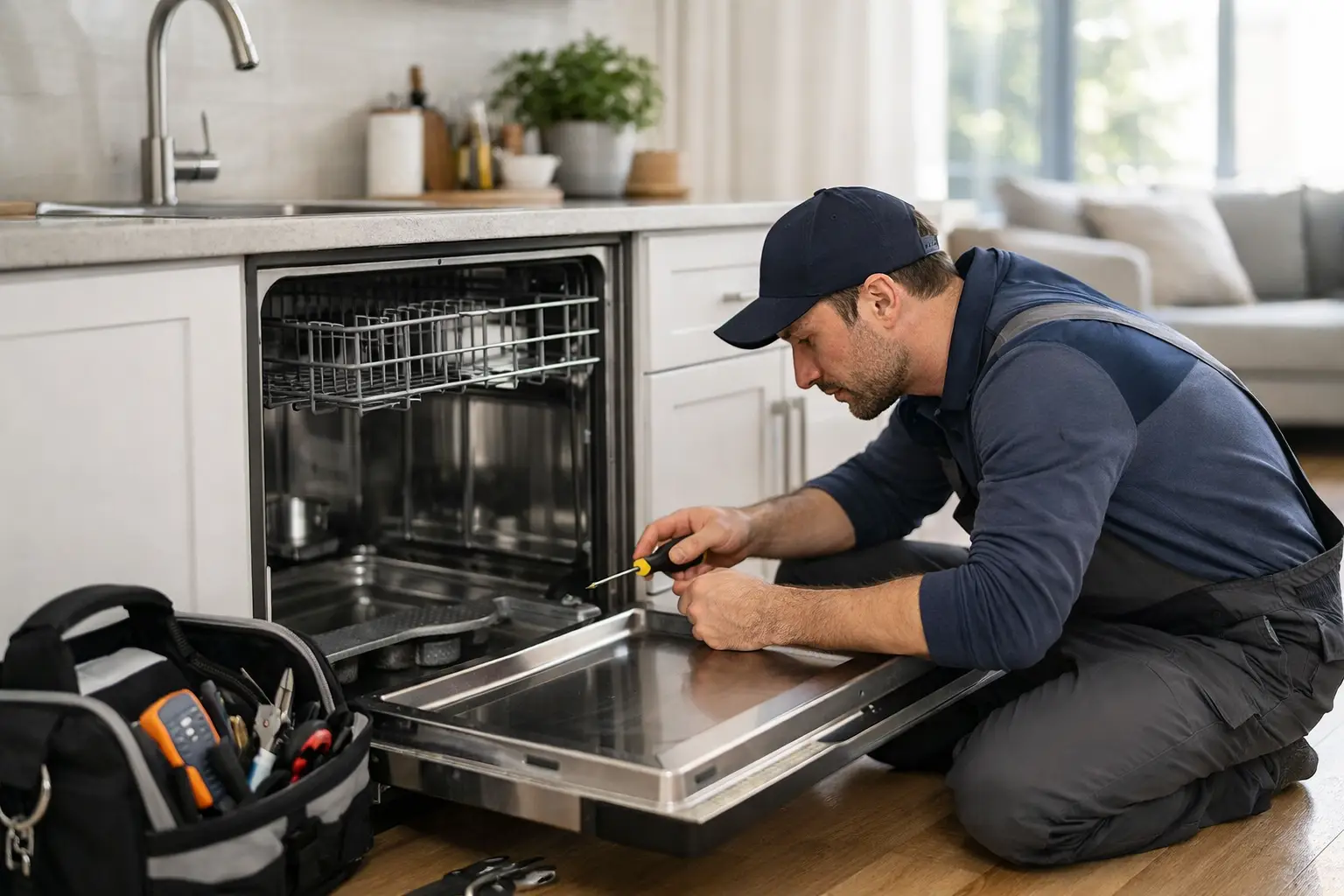
A dishwasher can fail in a way that is easy to ignore at first. Maybe the plates come out cloudy. Maybe there is a small puddle under the door. Then one night it stops draining, and the sink starts backing up too. For dishwasher repair Beverly Grove homeowners, renters, and property managers, the main goal is simple: find the cause before a small problem turns into water damage or a bigger repair.
Most dishwasher problems come down to water flow, drainage, heat, or a failed electrical part. A quick check can sometimes show what is happening. It can also help you know when it is time to stop using the machine and schedule an in-home repair.
Common dishwasher problems in Beverly Grove homes
Built-in dishwashers work hard in busy homes, condos, and rental units. Grease, food bits, detergent buildup, and normal wear all affect how they run. The age of the appliance matters too. Older units often have worn door seals, pumps, or racks. Newer units may show error codes or stop mid-cycle when a sensor detects a problem.
The dishwasher will not start
First, make sure the door closes and latches fully. Many dishwashers will not start if the latch does not engage. Check that the control lock is not on. It may look like a small lock symbol on the panel.
If the display is dark, check the breaker. A dishwasher is often on its own circuit, but not always. If the breaker trips again after you reset it, do not keep resetting it. That can point to a wiring issue, a failing heating part, or a problem inside the appliance.
A dishwasher that has power but will not begin a cycle may have a bad door latch, control board, start button, or water inlet problem. These parts need testing. Replacing one based on a guess can waste time and money.
Dishes are still dirty after a full cycle
Poor cleaning does not always mean the dishwasher is broken. Start with the simple things. Clean the filter at the bottom of the tub. Food buildup in the filter reduces water flow and can leave grit on glasses and plates.
Check the spray arms too. The small holes can get blocked by mineral deposits or food particles. Remove any loose debris and make sure the arms turn freely. Avoid stacking large pans where they block the spray arms.
If the filter and spray arms are clean but the dishwasher still leaves food behind, the machine may not be filling correctly. A weak circulation pump can also cause this problem. Another possibility is a failed heater. Many dishwashers clean better when the water reaches the right temperature.
Water stays in the bottom of the tub
A small amount of clean water near the filter can be normal. A pool of dirty water is not. Before calling for service, remove the lower rack and check the filter area for glass, labels, bones, or food pieces. Wear gloves if you reach into the sump area. Broken glass can be hard to see.
Also check the kitchen sink. If the sink drain is slow or clogged, the dishwasher may not be able to drain properly. Homes with a garbage disposal should also make sure the dishwasher drain connection is clear. If a disposal was recently installed, the installer may have left the drain knockout plug in place.
When the sink drains normally and the dishwasher still holds water, the drain pump, drain hose, check valve, or control may be the issue. Do not run repeated cycles to force it to drain. Water can overflow when the door opens, especially in a condo kitchen with wood flooring nearby.
Dishwasher leaks should be taken seriously
A leak is one of the most urgent reasons to arrange dishwasher repair in Beverly Grove. It does not take much water to damage a cabinet base, floor, or the unit below. Turn off the dishwasher if water is coming from the door, under the machine, or through a cabinet wall.
Look at where the water appears. Water at the front of the door may come from a worn gasket, a bent door, too much detergent, or dishes placed in a way that redirects the spray. Foam can push water out of the door area. Use only detergent made for automatic dishwashers. Regular dish soap creates too many suds.
Water under the dishwasher is harder to judge. It may come from a loose water line, drain hose, pump seal, inlet valve, or tub problem. The source can be above the puddle, so the floor does not always tell the full story. A technician may need to remove the unit from the cabinet to inspect it safely.
For renters, report a dishwasher leak to the landlord or property manager right away. Take clear photos of the water and avoid using the appliance until the issue is checked. For managers, quick action can help protect cabinets, flooring, and neighboring units.
Strange sounds and bad smells
Dishwashers make normal operating sounds. You may hear water spraying, draining, and a short hum from the motor. Loud grinding, repeated clicking, sharp buzzing, or a banging sound is different.
A grinding noise may be caused by debris near the pump. A buzzing sound can mean the drain pump is blocked or struggling. A wash arm can also hit a tall item in the rack. Check the loading first. If the noise continues with normal loading, stop the cycle and have the appliance inspected.
A bad smell often comes from food trapped in the filter or standing water in the drain area. Clean the filter with warm water and a soft brush. Wipe around the door gasket and the lower edge of the door. Run a normal hot cycle with dishwasher cleaner if the manufacturer allows it.
If the smell returns quickly, drainage may be incomplete. A drain hose problem or a weak pump can leave dirty water inside the machine between cycles.
When a repair makes sense
The right choice depends on the dishwasher’s age, condition, and the failed part. A clogged filter or worn door seal is usually a straightforward repair. A failed pump, inlet valve, or heating part can also be worth repairing when the rest of the dishwasher is in good shape.
Replacement may make more sense if the tub is badly damaged, several major parts are failing, or parts are no longer available. Built-in dishwashers also need to fit the existing cabinet opening, water line, drain line, and electrical connection. Replacing the whole unit is not always as simple as it looks.
A proper diagnosis helps separate a repairable issue from a replacement decision. At Vertex Appliance Repair, the diagnostic fee is $89 and is waived when you approve the repair. Installed parts and labor are covered by a 90-day warranty.
What to do before the technician arrives
You do not need to take the dishwasher apart. That can make the problem harder to trace. Instead, clear dishes from the machine if possible and leave the appliance in the condition where the issue happens. If it shows an error code, write it down or take a photo.
Let the technician know whether the dishwasher leaks, stops at a certain point, leaves water behind, trips a breaker, or has been making a new noise. For a rental property, it also helps to share when the problem started and whether the unit has had prior drain or leak issues.
Make sure there is access to the dishwasher, sink cabinet, and electrical panel if needed. Small details like these can help the visit go more smoothly.
Get the problem checked before it spreads
A dishwasher that is leaking, not draining, or failing to clean properly rarely fixes itself. Continuing to run it can lead to damaged flooring, bad odors, or a larger failure at the wrong time. If your dishwasher is disrupting the kitchen, arrange a service visit and get a clear answer before the problem gets worse.
Related articles
Oven Temperature Troubleshooting at Home
Refrigerator Not Cooling With Frost on the Freezer Wall — Heater or Thermistor?