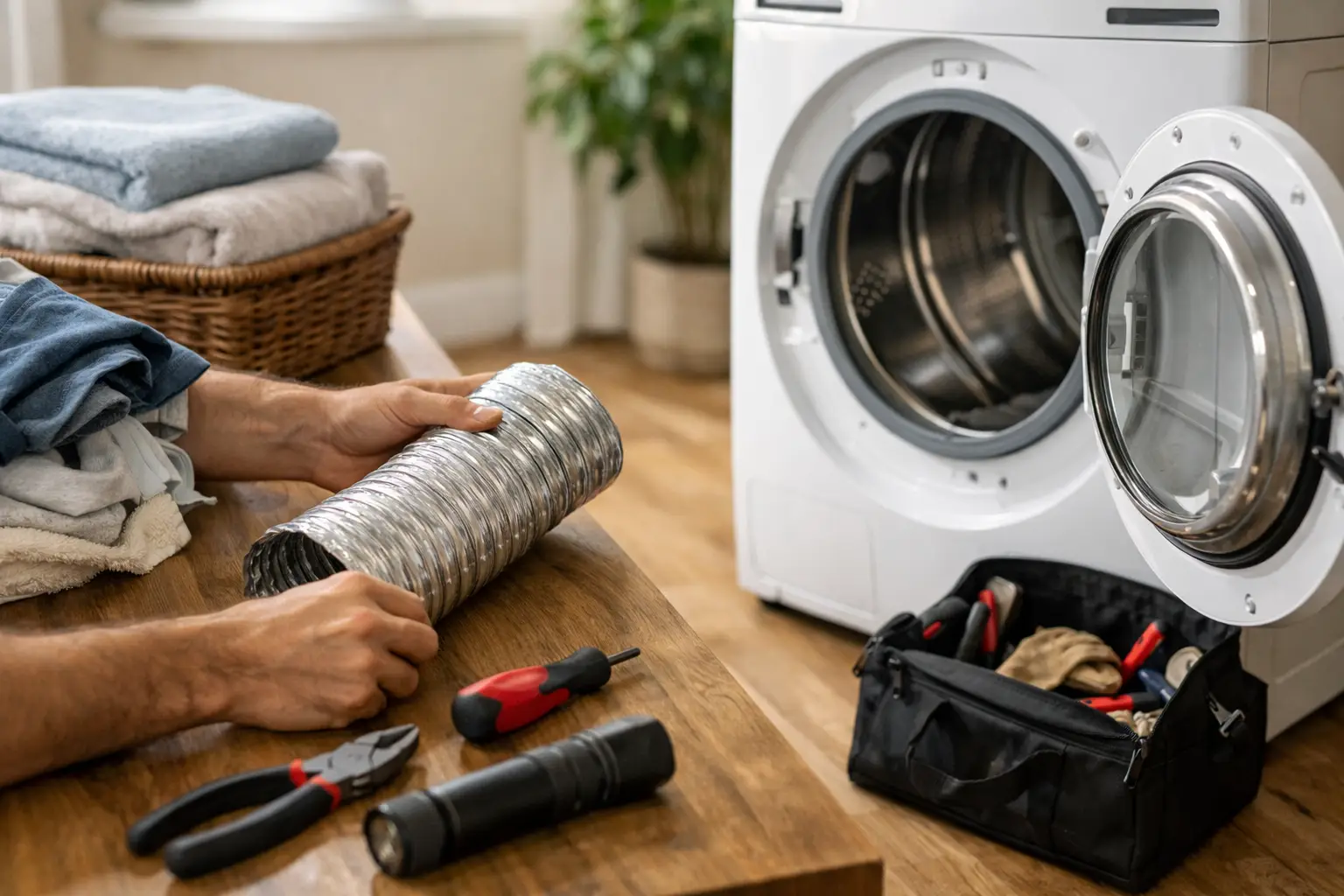





Dryer Burning Smell Causes and What to Do
Learn the common dryer burning smell causes, what you can safely check, and when to stop using the machine and call for dryer repair in West Hollywood.
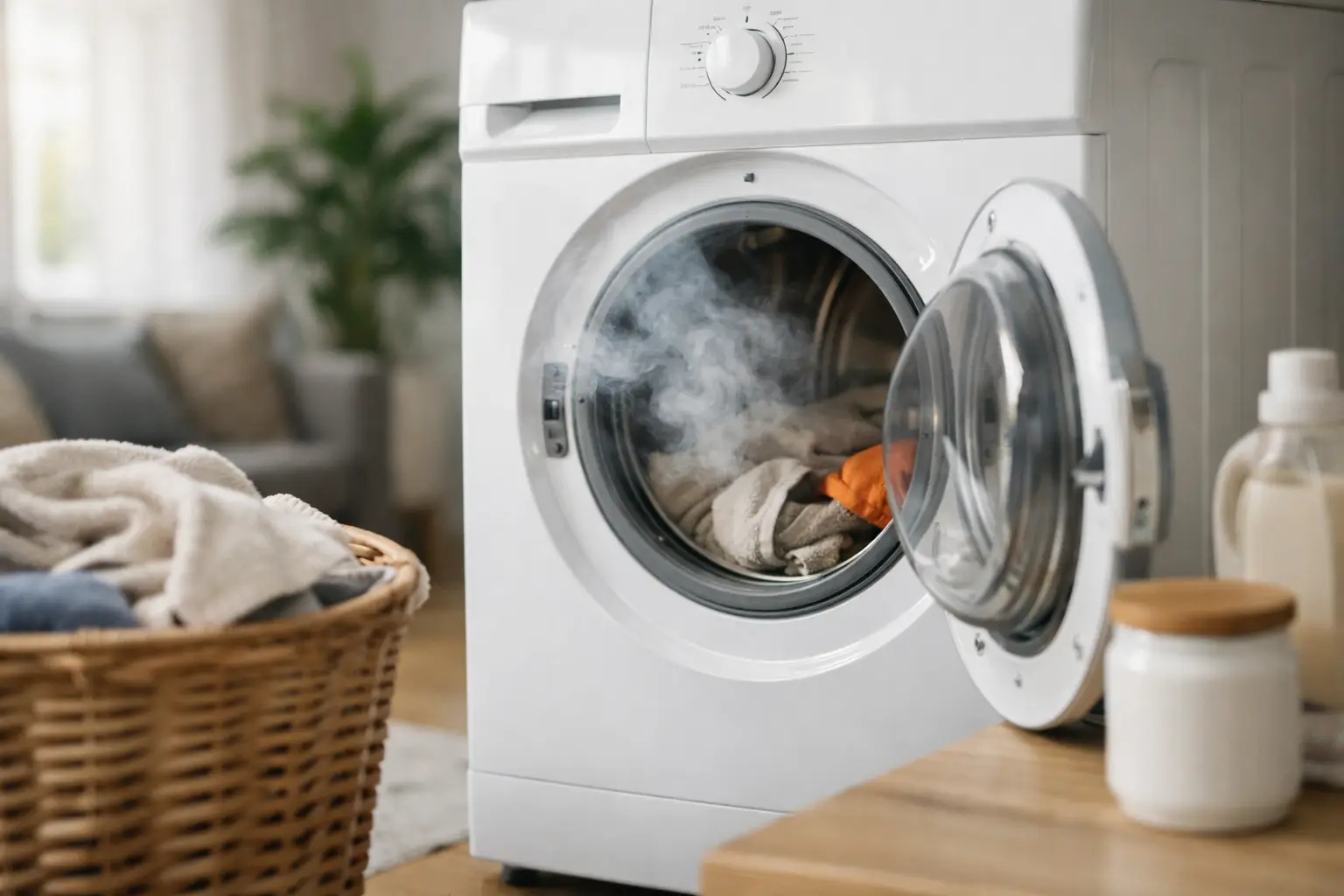
A burning smell from a dryer is not something to ignore. Sometimes it is just lint warming up after a missed cleaning. Other times, it is a sign of overheating, a failing part, or an electrical problem. The most common dryer burning smell causes are blocked airflow, lint near hot parts, worn belts, and damaged wiring.
If the smell is strong, gets worse during the cycle, or comes with smoke, turn the dryer off. Unplug an electric dryer if you can safely reach the plug. For a gas dryer, turn it off and do not use it again until the issue is checked. Do not keep running loads to see if the smell goes away.
What the smell can tell you
The type of odor matters. A dusty smell is often different from a sharp electrical smell. A rubber smell points to a different group of parts than a smell like burning fabric.
A light dusty odor can happen when a dryer has not been used for a while. Dust on the heater or burner area warms up during the first cycle. This should fade quickly. If it returns every time you dry clothes, there may be lint buildup inside the machine or poor venting.
A burning rubber smell often happens when a belt, drum roller, or idler pulley is worn. The belt turns the drum. If it slips or rubs against another part, it can get hot and smell like hot rubber. You may also hear squealing, thumping, scraping, or a drum that turns slowly.
An electrical smell is usually sharper. Some people describe it as burning plastic or hot wires. This can come from a loose wire, a damaged terminal, a failing motor, or a heating element problem. Stop using the dryer if you notice this smell.
Dryer burning smell causes that need attention
Lint buildup inside the dryer
Lint is the most common cause. Cleaning the lint screen is necessary, but it does not remove all lint. Small amounts pass around the screen and collect in the lint housing, blower area, vent pipe, and outside vent hood.
Lint is very dry. It can sit close to hot surfaces and give off a burning odor. A restricted vent also traps heat inside the dryer. Clothes take longer to dry, the cabinet feels unusually hot, and the dryer may shut off before a load is dry.
Check the lint screen first. Remove visible lint and wash the screen with warm water and a little dish soap if dryer sheet residue has coated it. Let it dry fully before putting it back. Then check the outside vent while the dryer is running. You should feel a steady flow of warm air. Weak airflow is a reason to stop and have the vent and dryer inspected.
A blocked or crushed vent hose
Many dryers in West Hollywood apartments, condos, and laundry closets have limited space behind the machine. When a dryer is pushed back, the flexible vent hose can bend, crush, or come loose. This restricts airflow and causes heat to build up.
A vent that is too long or has too many turns can cause the same issue. The dryer may still run, but it works harder and stays hotter. That extra heat can create a burning smell and shorten the life of the heating parts.
You can look behind the dryer only if it can be moved safely. Do not pull hard on a gas dryer or strain the gas line. If the hose is crushed, loose, thin plastic, or packed with lint, it needs attention. Plastic or foil-style vent material can also be unsafe because it traps lint easily and can be damaged by heat.
Clothing or small items caught near the drum
A sock, dryer sheet, bra wire, coin, or piece of plastic can slip past the drum edge. It may rub against hot metal or the moving drum. In some cases, fabric gets caught near the heater area and leaves a clear burning-cloth smell.
Look inside the drum and around the door opening. Check pockets before each load. If you hear metal scraping, a repeated ticking sound, or see marks on clothing, do not take the dryer apart yourself. The drum and front panel must be removed to find the item safely.
A worn belt, roller, or pulley
The drum belt wraps around the drum and motor pulley. Rollers support the drum as it turns. The idler pulley keeps the belt tight. These parts wear over time.
When a roller sticks or a pulley stops turning smoothly, the belt can drag. That friction creates heat and a rubber odor. A worn belt may also leave black dust under the dryer or cause a squeal at the start of a cycle.
This repair usually requires opening the cabinet. Continued use can turn a small worn-part repair into a broken belt, damaged motor, or drum that will not turn.
Heating element or burner problems
On an electric dryer, the heating element heats the air. If the element is damaged or warped, it may touch the metal housing. This can cause overheating and a burning smell. The dryer may get far too hot, scorch clothes, or cycle heat in an unusual way.
Gas dryers use a burner assembly instead of an electric heating element. Dust, lint, or an ignition issue near the burner can create a hot or burning odor. A gas dryer should not smell like gas. If you smell gas, turn the dryer off, leave the area if the smell is strong, and contact your gas utility or emergency services as appropriate. Do not light a match or switch electrical items on and off.
Motor, wiring, or outlet trouble
A dryer motor can overheat when airflow is blocked or when the motor itself is failing. The smell may be strongest near the back or lower part of the dryer. The machine may hum, stop mid-cycle, or run only after it cools down.
Wiring trouble can happen at the terminal block where the power cord connects to an electric dryer. A loose connection creates resistance and heat. It can melt insulation or damage the outlet and cord. This is not a homeowner repair. Unplug the dryer and arrange an inspection.
What you can safely check first
Before calling for service, there are a few simple checks that do not require taking the dryer apart. Make sure the dryer is off and cool first.
Clean the lint screen. Inspect the outside vent flap for lint, nests, or a flap that will not open. Check that clothes are not packed too tightly in the drum. Finally, notice when the smell starts. Does it appear right away, only with heat, or near the end of a cycle? That information helps narrow down the cause.
Do not spray cleaners, fragrances, or water into the lint area. Do not remove electrical panels unless you know how to test and reconnect dryer wiring safely. A dryer can hold heat and has moving parts, sharp metal edges, and high-voltage connections.
When to schedule dryer repair
Schedule service if the smell does not stop after cleaning the lint screen and checking airflow. You should also stop using the machine if there is smoke, sparking, a tripped breaker, melted plastic, scorched clothing, unusual noises, or a drum that will not turn normally.
For landlords and property managers, a burning odor should be handled before the next tenant uses the dryer. A dryer that still runs is not necessarily safe to keep in service. Early repair can prevent damage to the vent, outlet, clothing, or the appliance itself.
Vertex Appliance Repair handles in-home dryer repairs in West Hollywood and nearby neighborhoods. The diagnostic fee is $89 and is waived when you approve the repair. Installed parts and labor include a 90-day warranty.
A burning smell may come from simple lint buildup, but it can also be the first warning of a part that is overheating. Turning the dryer off early is the safest choice while the cause is found.
Related articles

Oven Temperature Troubleshooting at Home

Refrigerator Not Cooling With Frost on the Freezer Wall — Heater or Thermistor?