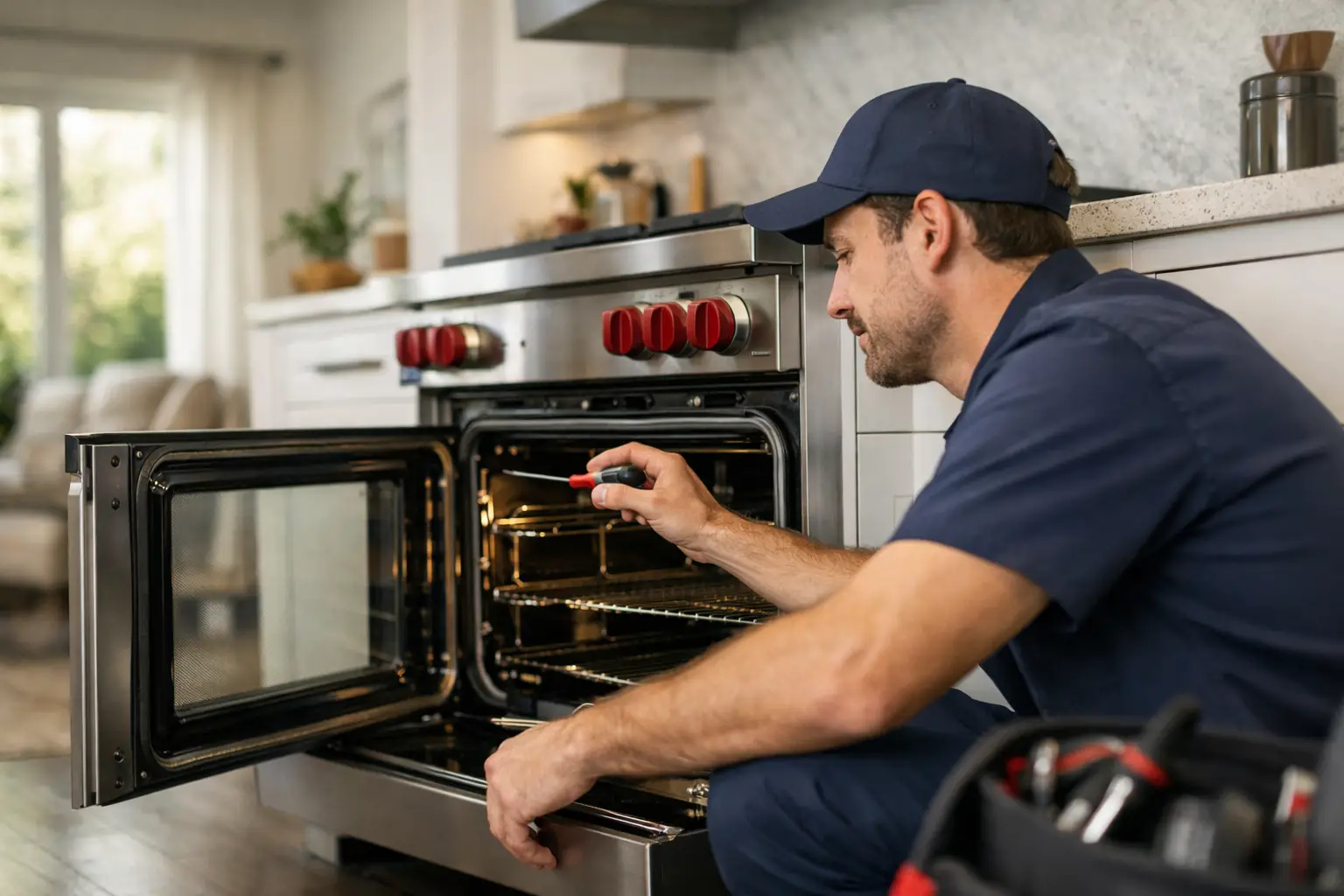





How to Handle Broken Oven Problems Safely
Learn how to handle broken oven safely, what to check first, when to stop using it, and when to schedule a repair visit in West Hollywood today.
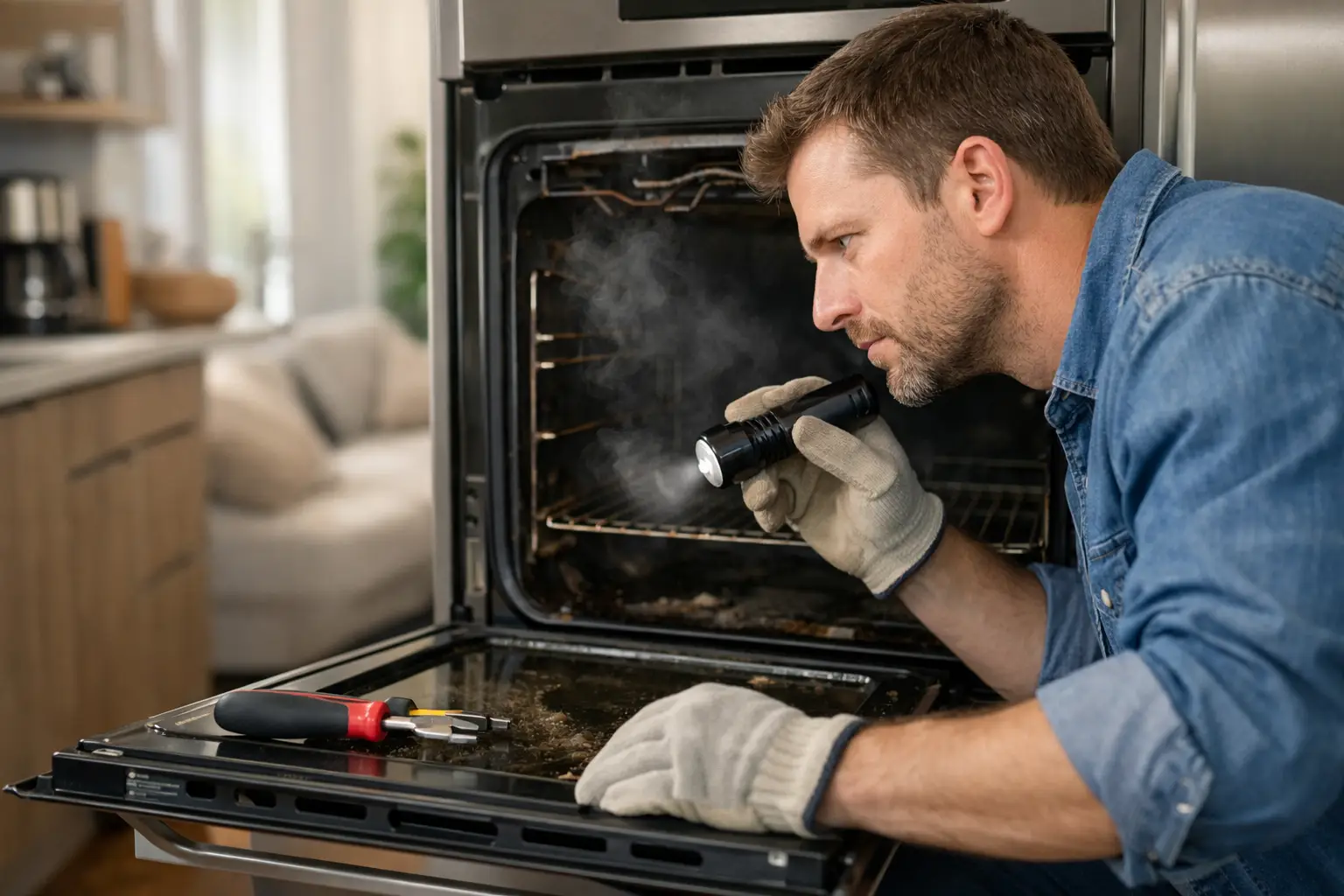
Dinner is in the pan, the oven is set, and nothing starts heating. That is usually when people search for how to handle broken oven problems. The first step is not taking the oven apart. Start with safety, then look for a few simple signs that help explain what is wrong.
An oven can fail for a small reason, such as a tripped breaker or wrong control setting. It can also have a failed heating part, bad igniter, loose wire, or control board problem. Gas and electric ovens have different risks, so do not keep testing an oven that smells like gas, sparks, smokes, or trips power.
Start by deciding if the oven is safe to use
Turn the oven off if you see smoke coming from the controls, smell burning plastic, see sparks, or hear popping sounds. Unplug an electric unit if you can safely reach the plug. If it is built in or hardwired, turn off its breaker instead. Do not remove panels while power is still connected.
For a gas oven, a gas smell is the main warning sign. Turn the oven off. Do not light matches, use a lighter, or operate electrical switches near the appliance. Open windows if it is safe to do so, leave the area, and contact the gas utility or emergency services if the smell is strong or does not go away. Do not try to relight or repair a gas oven yourself.
If the oven has no dangerous signs, let it cool fully before checking anything. A hot oven can burn you, and a damaged heating element may stay hot longer than expected.
Check the simple causes before booking repair
A quick check can save time. It can also give the repair technician a better picture of the problem.
Check power and the display
If the display is blank, first check whether the range has power. Look at the breaker panel. An electric oven often uses a double breaker. It may look on even when it has tripped halfway. Turn it all the way off, then back on once.
Do not keep resetting a breaker that trips again. That can point to a shorted heating element, damaged wire, or another electrical fault. Leave the breaker off and schedule service.
If the clock is flashing after an outage, the oven may need the time reset before some cooking functions work. Also check that the controls are not in Sabbath mode, control lock, delay start, or a timer setting. The owner manual can explain the buttons for your model.
Check the oven door and settings
Many ovens will not heat correctly if the door does not close all the way. Look for a bent hinge, loose gasket, or a rack or pan blocking the door. Do not force a stiff door. A broken hinge can make the problem worse.
Make sure you selected Bake, Broil, or Convection Bake as needed. Then set a real temperature, such as 350 degrees. Some ovens take several minutes before the heating element glows or the burner lights. Give it a little time, but do not wait through repeated failed attempts.
Look at the heating element, but do not touch it
On many electric ovens, the bake element sits at the bottom and the broil element sits at the top. With the oven cool and power off, look for cracks, blisters, burn marks, or spots where the element has split apart. A damaged element needs replacement.
Do not run the oven with a visibly damaged element. It may arc, spark, or trip the breaker. Also do not cover the oven floor or heating element with foil. Foil can block heat and damage parts over time.
What common symptoms usually mean
The symptom matters. An oven that does not heat at all is different from one that heats too much or cooks unevenly.
The oven will not heat
An electric oven that turns on but stays cold may have a failed bake element, broil element, temperature sensor, wiring issue, or control problem. If broil works but bake does not, the lower bake element is a common suspect. If neither function works, the cause may be power supply or control related.
A gas oven may click but fail to light because the igniter is weak or has failed. The igniter must get hot enough to open the gas valve. It may glow and still be too weak to light the burner. This is not a safe part to guess at or bypass.
The oven heats, but food takes too long
If cooking times have become longer, the oven may not be reaching the set temperature. A weak element, failing igniter, bad sensor, door seal issue, or control fault can cause this.
You can use a basic oven thermometer as a rough check. Place it in the center, set the oven to 350 degrees, and wait until it has cycled a few times. One quick reading is not always accurate because ovens turn heat on and off during normal operation. But if the temperature is far off or keeps moving widely, service is a good idea.
Do not keep raising the temperature to make up for poor heating. That can burn food when the oven suddenly cycles hotter than normal.
The oven gets too hot or burns food
An oven that overheats needs attention soon. A bad temperature sensor or electronic control may be telling it to keep heating. Turn it off if the temperature continues to climb above the setting, especially if the display does not respond.
For an electric oven, switch off the breaker if it keeps heating after you turn the controls off. For a gas oven, turn the oven control off and avoid using it until it is inspected. Uncontrolled heat can damage cabinets, flooring, and cookware.
The oven door is locked
A door may stay locked after a self-clean cycle. First, allow the oven to cool completely. It can take longer than expected. If the display shows an error, or the door remains locked after cooling, do not pry it open. The latch assembly or control may need repair.
Avoid using self-cleaning when the oven already has heating, door, or control problems. The cycle creates very high heat and can put extra stress on older parts.
When to call for oven repair
Call for service if the breaker trips more than once, the oven smells like burning wires, the gas burner will not light, the oven overheats, or you see damage to an element. These are not good DIY jobs.
It also makes sense to call when the oven is simply unreliable. For a renter, that may mean meals are being disrupted. For a landlord or apartment manager, one bad oven can quickly become a tenant issue. A repair visit can identify whether the problem is a replaceable part or whether the unit has a larger control or wiring fault.
Before the visit, write down the brand and model number. It is usually found around the oven door frame, storage drawer area, or side panel. Note what happens when you choose Bake or Broil, whether an error code appears, and whether the cooktop still works. If you have a photo of an error code or damaged element, keep it available.
What to expect from a local repair visit
A technician should test the oven safely and explain the fault in plain terms. Some repairs can be completed during the visit when the needed part is available. Other repairs require ordering a model-specific part. Built-in ovens and older units may take longer because access and parts availability vary.
For homes and rental properties in West Hollywood and nearby neighborhoods, Vertex Appliance Repair charges a $69 diagnostic fee. That fee is waived when you approve the repair. Completed repairs and installed parts include a 90-day warranty. You can call 323-747-7098 to discuss the oven symptoms and arrange service.
Do not keep relying on an oven that works only sometimes. A careful check now can prevent a ruined meal, a missed tenant request, or damage from an overheating appliance. Turn it off when something does not look right, keep the model details handy, and get the right repair before the next time you need it.
Related articles
Built In Refrigerator Versus Freestanding: Which Fits?
Sub-Zero Error 24 EC — Check the Condenser Before the Defrost Parts