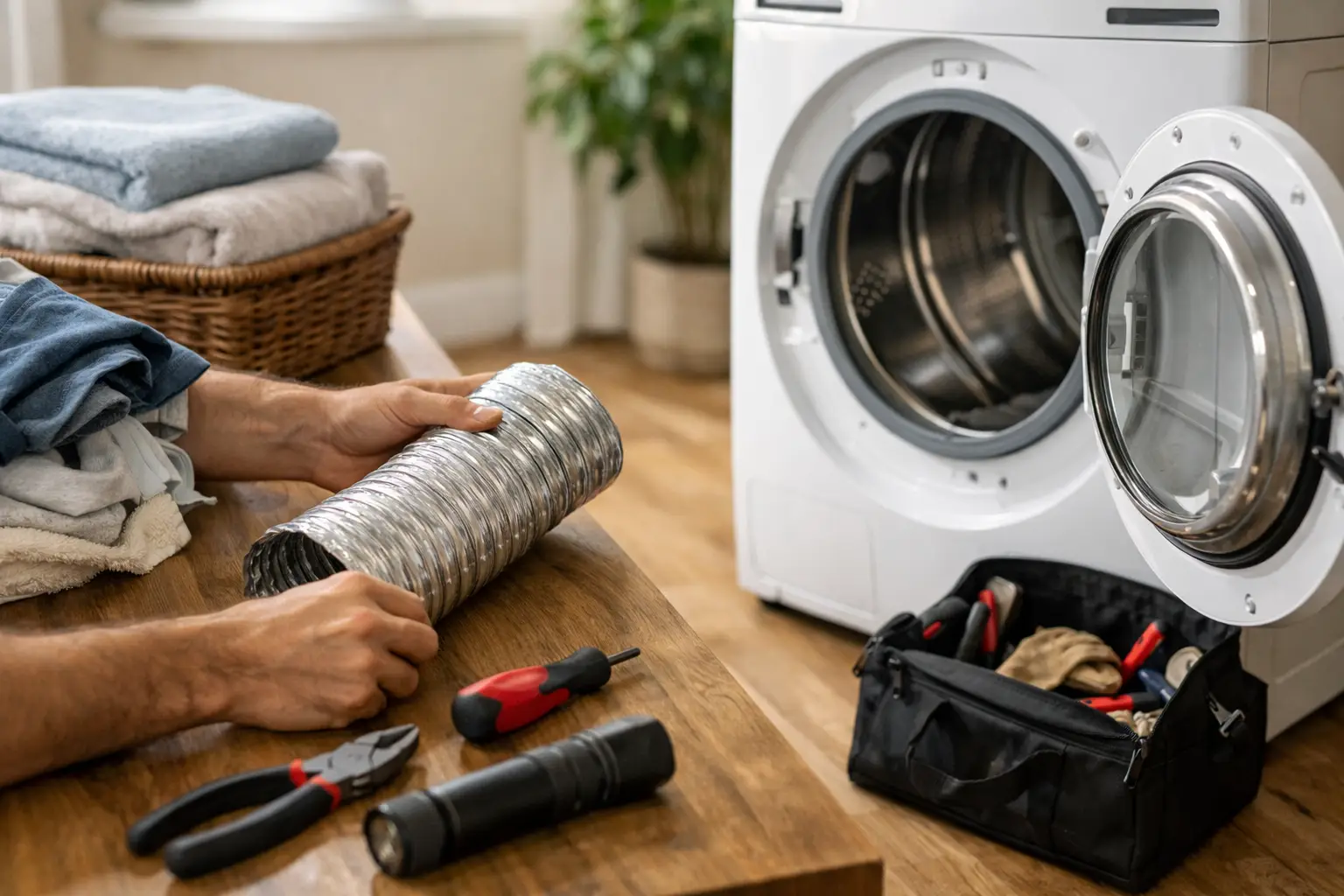





How to Schedule Dryer Repair Without Delays
Learn how to schedule dryer repair, what details to share, and when to stop using a dryer that is noisy, cold, slow, or overheating at home safely now.
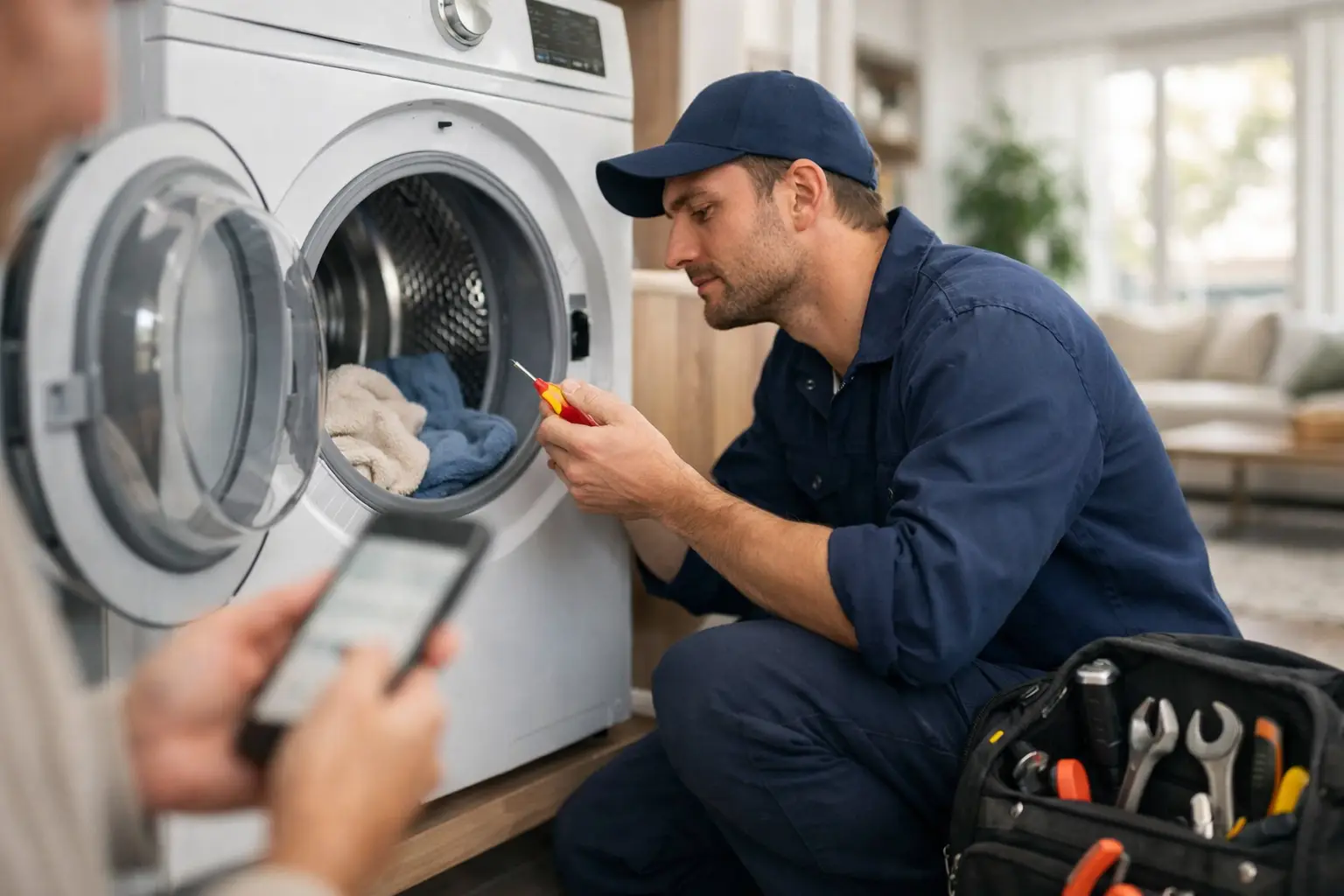
A dryer that runs but leaves clothes damp can turn one load of laundry into an all-day problem. If the dryer smells hot, makes a scraping sound, or stops mid-cycle, do not keep testing it. Knowing how to schedule dryer repair starts with giving the repair company clear details and choosing a time when someone can provide access to the appliance.
Start by deciding if the dryer should stay off
Some dryer problems can wait a day or two. Others should be treated as a safety issue. Stop using the dryer if you notice a burning smell, smoke, sparks, a very hot exterior, or a breaker that trips more than once. Unplug the dryer if you can safely reach the plug. Do not pull the cord or move a heavy dryer by yourself.
A dryer that takes two or three cycles to dry clothes also needs attention. The cause may be a blocked vent, poor airflow, a failed heating part, or a worn drum part. Continuing to run it can make the problem worse and may overheat the appliance.
If the dryer is simply noisy but still working, you can usually schedule a regular service visit. Describe the sound as clearly as possible. A squeal, thump, scrape, or grinding noise can point to different parts. The technician will still need to inspect it in person, but this information helps prepare for the visit.
How to schedule dryer repair with the right details
Before you call, take one minute to look at the dryer. You do not need to take it apart. The goal is to share enough information for a useful appointment.
Have the brand, model number, and a short description of the problem ready. The model number is often inside the door opening, on the back panel, or around the door frame. A photo of the label is helpful if the print is small or worn.
Explain what the dryer does when you press Start. For example, it may have power but not turn, turn but not heat, stop after a few minutes, or make noise while the drum spins. Also mention any error code shown on the display.
Say whether the dryer is gas or electric. This matters because the parts and safety checks are different. If you rent a home or apartment, check whether your lease requires you to contact the landlord or property manager first. In many buildings, the owner handles appliance approval and access.
When you schedule, ask about the service window, the diagnostic fee, and what happens if a part is needed. Clear answers prevent surprises. Vertex Appliance Repair charges a $69 diagnostic fee, which is waived when you approve the repair. Completed repairs and installed parts include a 90-day warranty.
Give accurate symptoms, not a guess at the part
Homeowners often call and say they need a heating element or a belt. Sometimes they are right, but dryers can show the same symptom for several reasons. A no-heat problem, for example, may come from a heating part, a thermostat, a fuse, a gas ignition problem, wiring, or a restricted vent.
It is better to describe what you see. Tell the technician whether the drum turns, whether the dryer gets warm, and whether the lint screen was cleaned. Mention when the problem started and whether it happened suddenly or got worse over time.
If the dryer has been drying slowly, check the lint screen first. Remove lint from the screen before every load. Look at the outside vent hood while the dryer runs, if it is safe and easy to see. Weak airflow can be a sign of a vent blockage. Do not push tools deep into the vent or remove ducting unless you know how it is connected.
A clogged dryer vent is not always the only issue. The dryer may also have a failed part. The service visit should include checking the appliance operation and looking for airflow concerns that affect performance.
Pick an appointment time that allows real access
A repair appointment goes faster when the technician can reach the dryer. Clear laundry baskets, storage boxes, and cleaning supplies away from the front of the unit. If the dryer is in a tight closet, remove anything blocking the door or the path to the appliance.
For stacked laundry units, do not try to pull the dryer down or take the unit apart. Let the technician assess the setup. Some repairs require access from the front, top, or rear. Tight installations can add time, especially when the appliance must be moved carefully.
Someone 18 or older should be present unless building access has been arranged in advance. If you are a landlord or property manager, give the tenant the appointment window and make sure the technician can enter the building, park where allowed, and reach the laundry room. A missed access appointment delays everyone.
For condo and apartment buildings, ask if the building has rules for service vendors, elevator use, loading areas, or parking. Sharing this before the appointment is especially helpful in West Hollywood and nearby neighborhoods where access can be limited.
What happens during a dryer repair visit
The technician will first confirm the symptom and inspect the dryer. This may include checking power, controls, heat, drum movement, safety parts, and airflow. Gas dryers also need careful checks of the ignition and gas-related components.
After the diagnosis, you should receive an explanation of the issue and the repair option. Ask what part failed, whether the part is available, and whether the repair can be completed during the visit. Some common parts are carried for routine problems. Other parts must be ordered. The answer depends on the dryer brand, model, and the exact failure.
Do not feel pressured to approve a repair before you understand the estimate. A useful estimate explains the repair cost and whether a return visit is likely. If the dryer is older, it can also be reasonable to ask whether the repair makes sense compared with replacement. There is no single rule. A simple repair on an older dryer may still be worthwhile, while a major repair on a unit with several problems may not be.
Avoid delays before the technician arrives
A few small steps can save time. Empty the dryer and remove clothing from the washer if it is blocking access. Keep pets in another room. Make sure the laundry area has working lights. If the dryer is on a pedestal or in a cabinet, mention that when booking.
Do not run the dryer right before the appointment if it has a burning smell, trips the breaker, or overheats. Let it remain off. If there is no safety concern, a technician may ask you to show how the problem happens. In that case, leave the dryer connected and do not start a cycle until the visit.
For recurring problems, write down what you have noticed. Include the cycle used, load size, error codes, and whether the issue happens every time. A short note is more helpful than trying to remember details during the appointment.
When to schedule service instead of trying another fix
Cleaning the lint screen is a normal homeowner task. Beyond that, dryer repairs can involve electrical connections, gas components, sharp metal panels, and heavy lifting. Replacing parts without testing the cause can waste money and create a new problem.
Schedule service when the dryer has no heat, will not start, makes loud noises, stops too soon, damages clothes, leaks water, or takes too long to dry. Schedule promptly if the dryer is part of a shared laundry setup. For property managers, a broken dryer can affect several tenants and lead to more calls if it is left unresolved.
When you call Vertex Appliance Repair at 323-747-7098, share the dryer details, the symptoms, and any access needs. A clear request helps set up the right visit. Then keep the area clear and leave a dryer with safety symptoms turned off. That gives the repair a better chance of being handled without extra delay.If your dryer is not heating or takes several cycles to dry a load, we can help. See dryer repair in West Hollywood or call 323-747-7098.
Related articles

Oven Temperature Troubleshooting at Home
Refrigerator Not Cooling With Frost on the Freezer Wall — Heater or Thermistor?