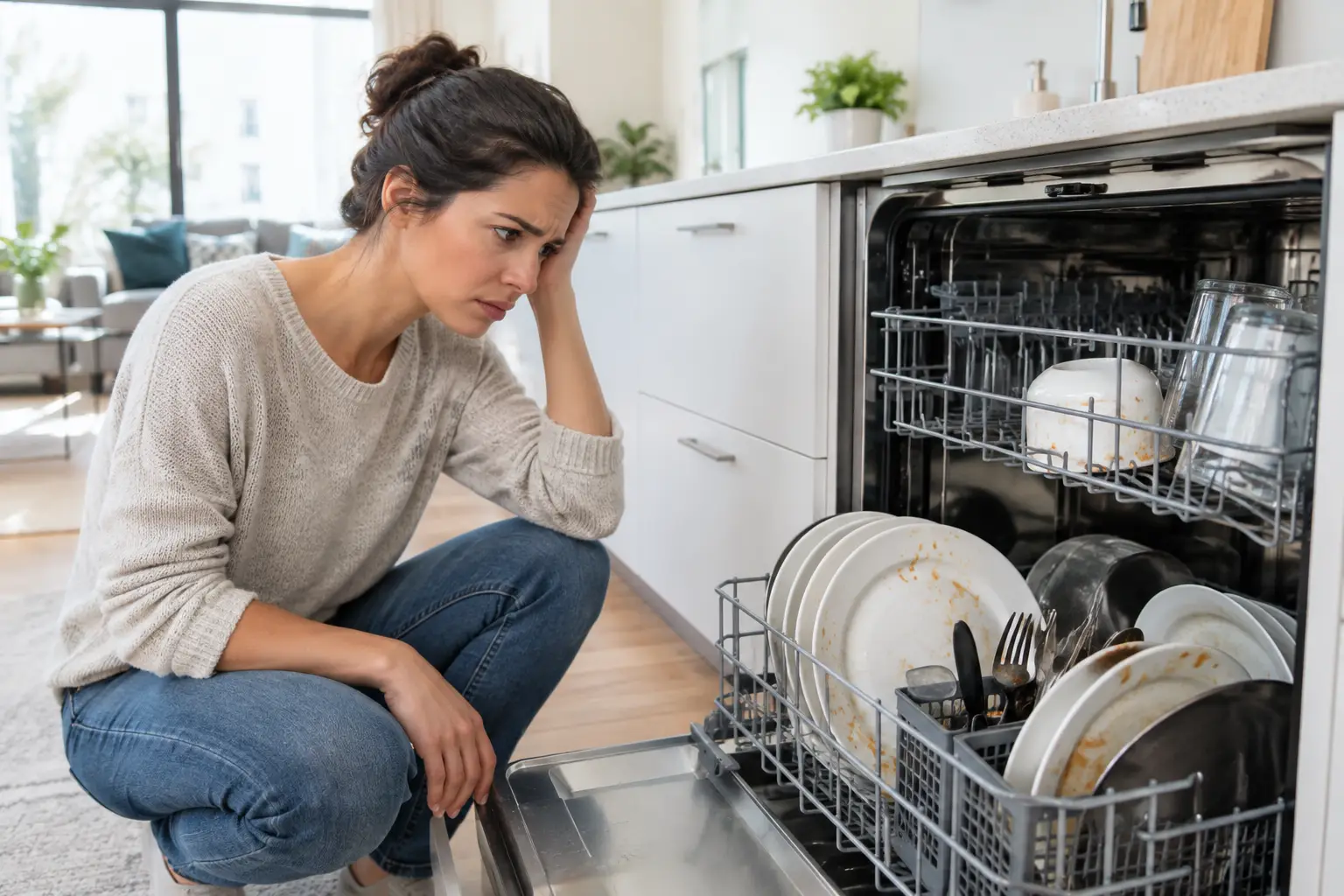





How to Schedule Tenant Appliance Repairs
Learn how to schedule tenant appliance repairs with clear details, safe access, fair approvals, and less disruption for renters and property managers.
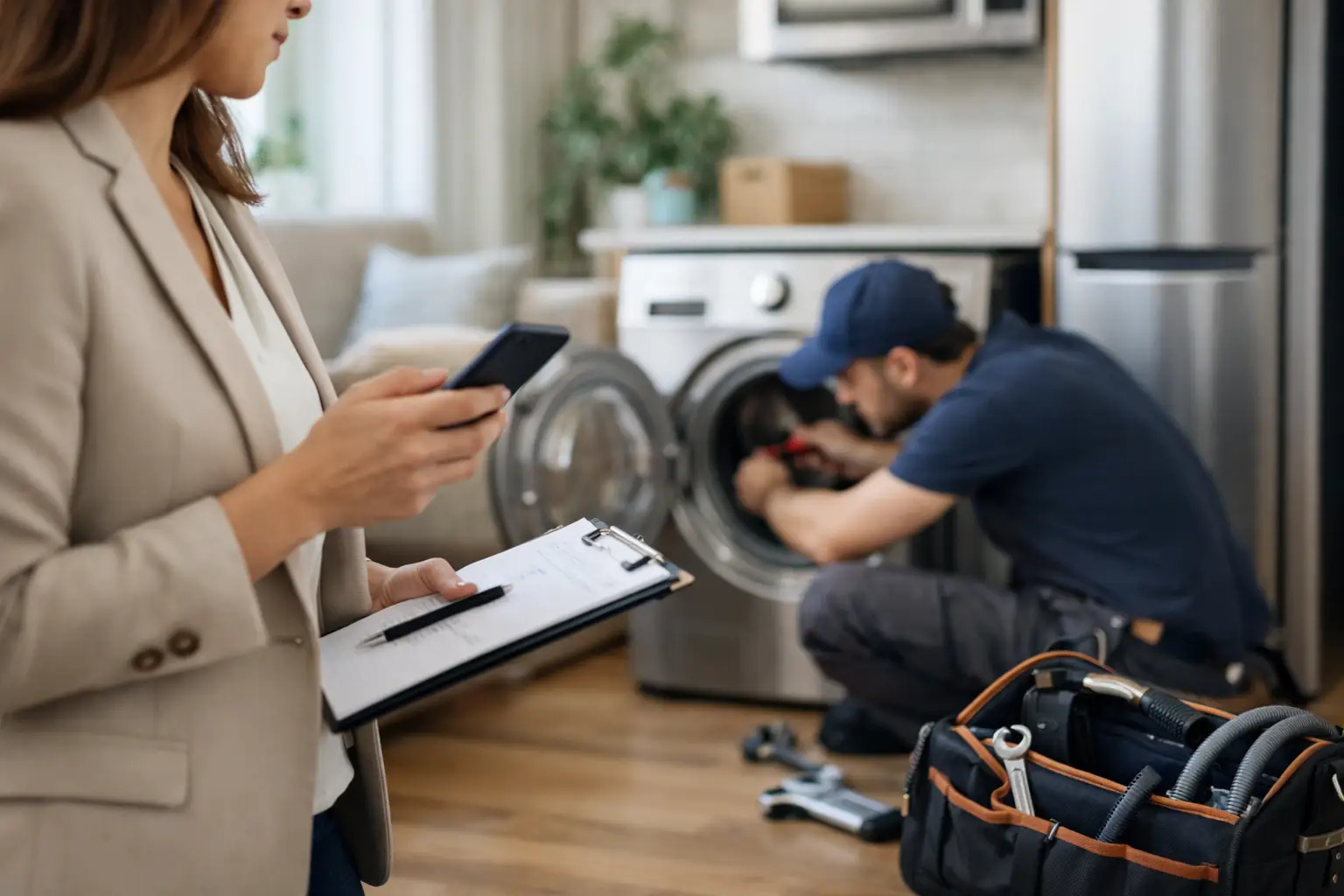
A tenant calls at 7:30 a.m. because the refrigerator is warm. Another tenant reports a dryer that runs but does not heat. The repair itself may be simple, but poor scheduling can turn either problem into several days of missed calls, denied entry, and unhappy people.
Knowing how to schedule tenant appliance repairs starts with getting the right information before you book. The goal is simple: send the technician to the correct unit, give them safe access, and make sure the person who can approve the repair is ready to respond.
Start With the Appliance Problem
Ask the tenant what the appliance is doing, not what part they think is bad. A tenant may say the refrigerator needs Freon when the real issue is a dirty condenser area, a failed fan, or a door that is not closing. The same happens with washers, dryers, dishwashers, and ovens.
Get the appliance type, brand, and model number if possible. The model tag is often inside the refrigerator compartment, around the washer or dryer door opening, on the dishwasher door frame, or behind the oven door. A clear photo of the model tag can save time when a part is needed.
Then ask when the problem began and whether it is getting worse. A refrigerator that is still cool but slowly warming needs attention. A refrigerator that is fully warm, leaking, or making a burning smell needs quicker action. Tell the tenant to move food to another working refrigerator or cooler if safe to do so.
For a washer or dishwasher leak, ask the tenant to stop using the machine and dry any standing water. For an oven or range gas smell, they should not light burners or use switches. They should leave the area and contact the gas utility or emergency services if they believe there is an active gas leak. Do not schedule a normal repair visit as the first response to an immediate safety concern.
Confirm Who Is Responsible Before Booking
Not every appliance in a rental unit belongs to the owner. A tenant may have brought in their own washer, dryer, wine cooler, or countertop appliance. Check the lease, move-in inventory, or property records before sending a technician.
You also need to know who will approve the work. In many buildings, the tenant reports the issue, the property manager schedules service, and the owner approves repairs above a certain amount. If nobody sets that approval path ahead of time, the technician may diagnose the problem but have to leave before repairs can begin.
Make the approval limit clear. For example, a property manager may allow a repair up to a set dollar amount without another call. Anything beyond that needs the owner’s approval. This is especially useful for older appliances, where the repair cost may need to be compared with replacement.
At Vertex Appliance Repair, the diagnostic fee is $89 and is waived when the repair is approved. That gives the responsible party a clear starting point: first identify the fault, then decide whether the repair makes sense.
Gather the Details a Technician Needs
A good service request should include the unit address, apartment number, tenant name, tenant phone number, appliance type, brand, model number, and a short description of the problem. Include any access details too.
In West Hollywood apartment buildings, access can be the biggest scheduling issue. Let the repair company know about gated entry, parking rules, loading areas, elevator reservations, stairs, concierge check-in, or narrow hallways. Built-in appliances may require extra time because panels, trim, or nearby cabinets can limit access.
Photos and short videos are helpful when they show a leak, an error code, ice buildup, a damaged gasket, or unusual noise. They do not replace an in-home diagnosis, but they can help the technician prepare.
Do not ask a tenant to take apart an appliance. They can check simple things, such as whether the appliance has power, whether a breaker has tripped, or whether the water supply valve under a sink is open. Beyond that, it is better to wait for service. Pulling out a heavy refrigerator or dryer can damage flooring, water lines, venting, or the appliance itself.
Set an Appointment Window the Tenant Can Keep
The best appointment time is the one when someone can actually provide entry. Confirm whether the tenant will be home, whether building staff can let the technician in, or whether management has legal permission and a key to enter.
Give the tenant the appointment window in writing. Include the company name, contact number, unit number, and any preparation needed. If the appliance is a washer, dryer, dishwasher, or refrigerator, ask the tenant to clear personal items from the immediate area when possible. A technician still needs room to inspect connections and remove panels safely.
If the tenant cannot be present, make sure they understand the access plan. Do not rely on a vague note such as “the door should be open.” Confirm who holds the key and how the technician will enter the property.
For an occupied unit, it also helps to tell the tenant what will happen during the visit. The technician will inspect the appliance, test it, explain the fault, and provide repair options. If a part is needed, the repair may require a return visit. This is normal, especially for less common models and built-in units.
Know When a Repair Cannot Be Finished on the First Visit
Some repairs can be completed during the diagnosis visit if the needed part is on hand. Others depend on the model, the fault, and part availability. A broken door switch may be straightforward. A control board, sealed refrigerator system issue, or special-order built-in part can take longer.
Set that expectation with the tenant early. Do not promise that every appliance will be fixed in one visit. Instead, explain that the first visit identifies the problem and confirms the correct part. This prevents frustration when a technician needs to order a part rather than installing a guess.
For dryers, make sure the tenant stops using the machine if it has a burning smell, repeated overheating, or no airflow. A dryer that tumbles without heat can have several causes, including a failed heating part, a thermal safety device, or a venting problem. A proper dryer repair visit should check the appliance and the conditions affecting it.
Keep the Tenant Updated After the Diagnosis
Once the technician finds the issue, send the tenant a simple update. Let them know whether the appliance is safe to use, whether a part has been ordered, and when the next visit may be scheduled. Tenants do not need a long technical report. They need to know what they can use, what they should avoid, and what happens next.
For a refrigerator repair, be especially clear about food safety. If the refrigerator cannot hold a safe temperature, the tenant should avoid storing perishable food in it until it is working properly. If the freezer is thawing, they should limit opening the door to help preserve what is still frozen.
Property managers should also keep a record of the diagnosis, estimate, approval, repair date, and warranty information. Vertex Appliance Repair provides a 90-day warranty on labor and installed parts. Keep the invoice with the unit maintenance file in case the same appliance has another issue later.
A Simple Process for Scheduling Tenant Appliance Repairs
A consistent process prevents most delays. Use the same order each time:
- Get the appliance symptoms, model information, and photos if available.
- Check who owns the appliance and who can approve the repair.
- Confirm the tenant’s availability and the building access plan.
- Share the appointment window and any safety instructions.
- Review the diagnosis, approve the repair, and schedule a return visit if a part is needed.
This process works for a single rental condo and for a small multi-unit property. The difference is volume. If you manage several units, keep a basic appliance list with each unit’s model numbers and installation notes. It makes future repair calls much faster.
When to Call for Service
Do not wait until a small issue becomes a larger one. Call when a refrigerator is warming, a washer is leaking, a dishwasher leaves standing water, a dryer is not heating, or an oven will not hold temperature. Early scheduling often gives you more appointment options and can reduce disruption for the tenant.
If you need appliance service in West Hollywood, have the unit details and access plan ready before you call. That small amount of preparation helps the visit go smoothly and gives the tenant a clearer path back to a working home.
Related articles
Apartment Appliance Maintenance Guide for Renters
Frigidaire Washer Stops After 5 Seconds — E5E Is Not the Door Lock