





How to Stop Washer Vibration Before It Gets Worse
Learn how to stop washer vibration safely by checking the load, feet, floor, and worn parts. Know when it is time to call for washer repair at home now.
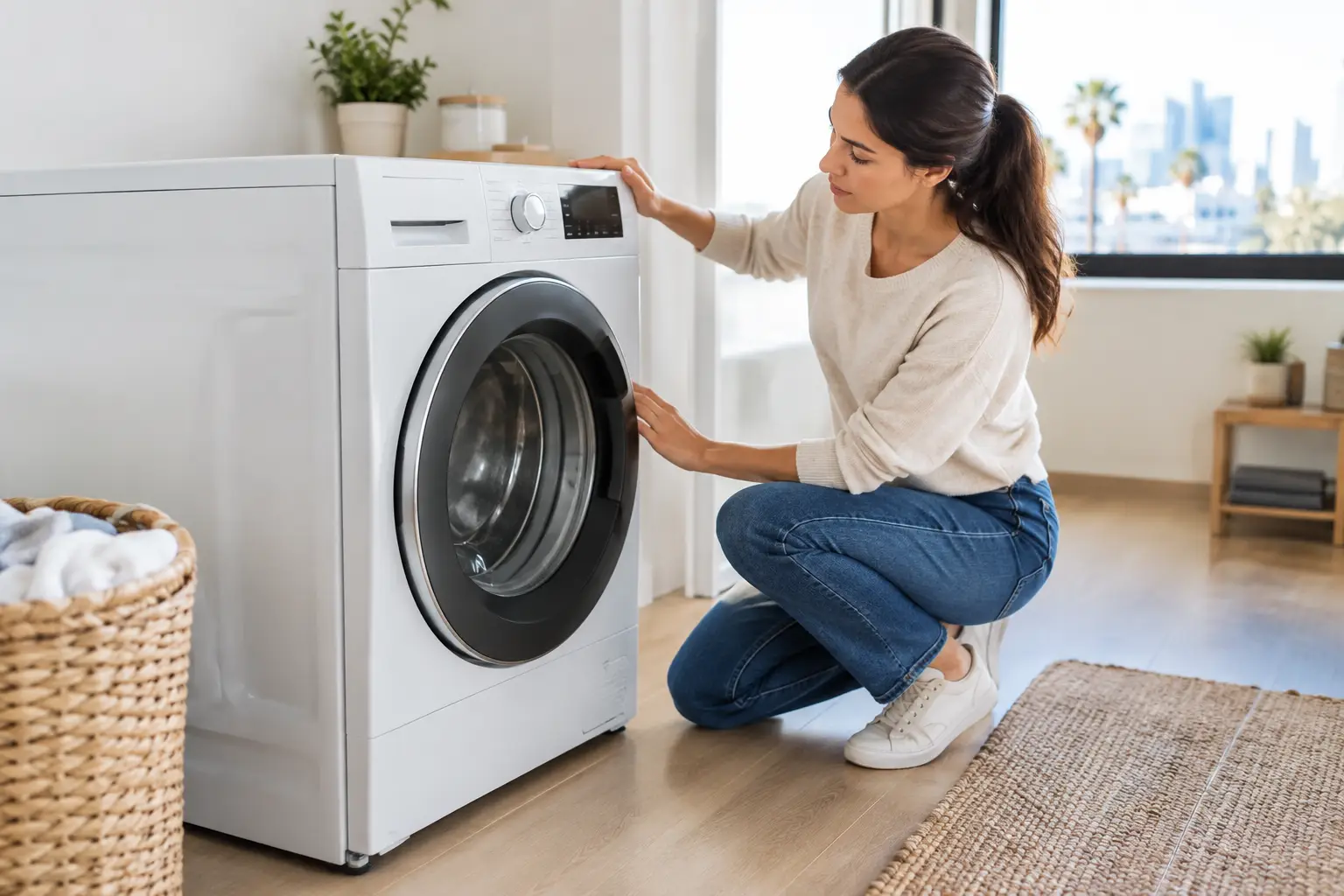
A washer that walks across the floor during spin is not just annoying. Strong shaking can loosen water hoses, damage flooring, hit nearby cabinets, and wear out washer parts faster. The good news is that you can often stop washer vibration with a few safe checks before assuming the machine needs a major repair.
Start by paying attention to when the vibration happens. A small amount of movement during a high-speed spin can be normal. Loud banging, a machine that shifts several inches, or vibration that starts with every load is not normal. Those signs help narrow down the cause.
Stop Washer Vibration by Checking the Load First
An uneven load is the most common reason for sudden washer shaking. It happens often with one large towel, a bath mat, a comforter, jeans, or a few heavy items. During spin, those items can gather on one side of the drum. The washer then tries to spin a load that is heavier on one side.
Pause the cycle if the washer is banging hard. Open the lid or door only after the drum stops moving. Spread the items around the drum and remove or add a few pieces if needed. A single heavy item may need to be washed with several smaller items to help balance the load.
Do not pack the washer too full. An overloaded drum can also cause vibration because the clothes cannot move freely. On the other hand, washing one small item by itself can create the same problem. The right load size depends on the washer, but clothes should have room to move without being tightly packed.
Bath mats need extra care. Mats with rubber backing can become very heavy when wet. They can also shed material that affects drainage. Check the care label before washing them, especially in a front-load washer.
If the washer vibrates only with certain loads, the machine itself may be fine. Try a normal mixed load of towels and everyday clothing. If it spins smoothly, load balance was likely the issue.
Make Sure the Washer Is Level
A washer must sit firmly on all four feet. Even a small amount of rocking can become a major shake once the drum reaches full spin speed.
With the washer off, place your hands on opposite top corners. Push gently from side to side and front to back. If it rocks, one or more leveling feet need adjustment. Most washers have adjustable feet near the front bottom corners. Some also have rear leveling legs or a rear self-leveling system.
Use a bubble level on top of the washer if you have one. Check from left to right and from front to back. Adjust the feet slowly. Turn the foot out to make that corner taller and turn it in to make it shorter. Once the washer is stable, tighten the locking nuts against the bottom of the cabinet if your model has them.
Avoid using cardboard, wood scraps, folded towels, or loose shims under a washer. They can shift when the washer spins. They may reduce noise for a short time, but they do not create a stable base.
If you recently moved into an apartment, condo, or rental, check whether the washer was leveled after installation. A machine can be set in place quickly but left slightly uneven. This is a common issue in laundry closets where there is little room to work.
Check the Floor Under the Washer
A level washer can still vibrate if the floor is weak, soft, or uneven. This is more common on raised floors, older wood floors, and upper-level laundry areas. The floor may flex during spin even when the washer feet are properly adjusted.
Look for signs that the washer is sitting on a sloped surface or one corner sinks into soft flooring. Vinyl flooring, loose tile, or a damaged washer pan can also affect stability. A washer should rest on a solid, flat surface.
Anti-vibration pads may reduce minor noise from a solid floor. They will not fix a washer that is badly unlevel, a loose internal part, or a weak floor. Pads are a small help, not a cure for severe shaking.
Check for Shipping Bolts on a New Washer
If a new front-load washer has shaken hard since its first cycle, shipping bolts may still be installed. These bolts hold the drum in place during delivery. They must be removed before the washer is used.
A washer with shipping bolts installed can make a very loud banging sound during spin. It may move across the room. Continuing to run it can damage the machine.
Check the installation instructions for your model. Shipping bolts are usually located on the back panel. If you are unsure whether they were removed, stop using the washer and have the installation checked.
When Vibration Points to a Washer Part Problem
If the load is balanced, the washer is level, and the floor is solid, vibration may come from a worn or damaged part. This is more likely when the problem gets worse over time or happens with every load.
Common causes include worn suspension rods in a top-load washer, weak shock absorbers in a front-load washer, damaged counterweights, loose mounting hardware, or worn drum bearings. These parts control drum movement during the spin cycle. When they wear out, the tub can bounce, hit the cabinet, or make a deep rumbling sound.
A worn bearing often causes a low roar or grinding noise that becomes louder as the drum speeds up. A bad suspension system may let the inner tub bounce easily when you press it down by hand. A loose counterweight can cause knocking that sounds like something heavy is moving inside the cabinet.
Do not remove the washer cabinet or back panel unless you know how to work safely around appliance parts. Washers are heavy. They also have sharp metal edges, electrical connections, and water lines that can be damaged during a do-it-yourself repair.
Do Not Ignore Water Hose Movement
Severe vibration can pull on the hot and cold water hoses behind the washer. It can also cause the drain hose to shift out of its standpipe. After a bad shaking cycle, look behind the machine for leaks, kinks, or hose movement.
Turn off the washer and check the floor. If you see water, do not run another load until you find the source. A small leak can damage flooring and spread into a neighboring unit, which matters especially in condos and multi-unit properties.
Leave enough space behind the washer so the hoses are not crushed against the wall. The machine should not be pushed so far back that it presses on the water connections.
When to Schedule Washer Repair
Call for service if the washer keeps banging after you correct the load and level the feet. A repair visit also makes sense if the washer shows an error code, leaks during spin, has a burning smell, makes grinding noises, or moves even when it is nearly empty.
For homeowners, tenants, and property managers in West Hollywood, a technician can check the suspension, shocks, bearings, motor mounting, tub support, and installation condition. This avoids replacing parts based only on a guess. Vertex Appliance Repair charges an $89 diagnostic fee, and it is waived when you approve the repair. Labor and installed parts are covered by a 90-day warranty.
If your washer is shaking hard right now, stop the cycle, redistribute the load, and make sure the machine does not rock. If the problem returns on the next normal load, leave it off until the cause is checked. A washer should spin firmly, not fight its way across your laundry area.
Related articles
Apartment Appliance Maintenance Guide for Renters
Frigidaire Washer Stops After 5 Seconds — E5E Is Not the Door Lock