




7 Top Signs an Oven Needs Service at Home
Learn the top signs an oven needs service, from uneven baking to gas smells. Know what to check safely and when to call for repair in West Hollywood today.
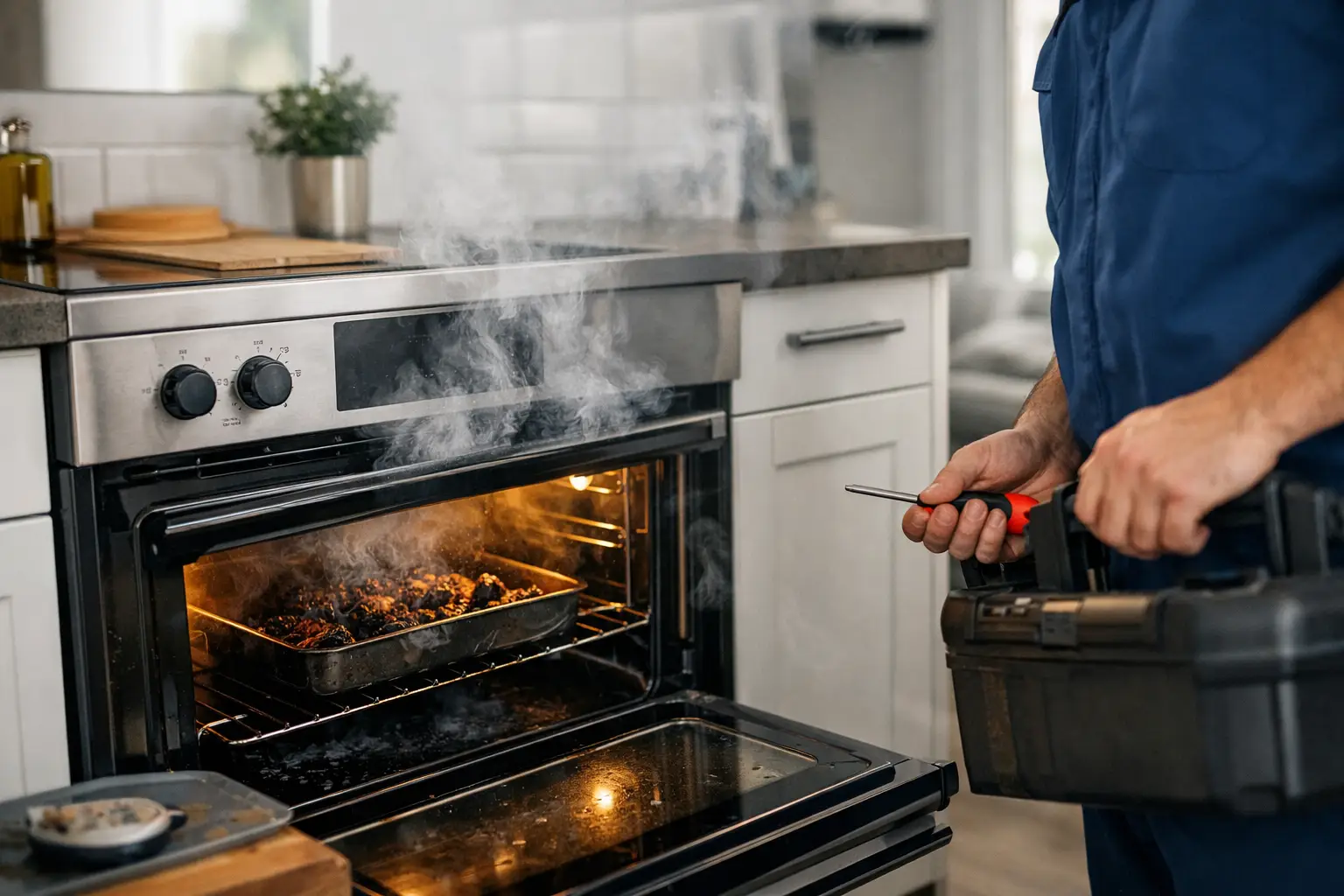
Dinner should not take twice as long because the oven runs cold. Cookies should not burn on one side while staying raw on the other. These are common top signs an oven needs service. A small oven problem can turn into wasted food, a broken heating part, or a safety concern if it is ignored.
Some issues are simple, such as a bad oven light bulb or a loose rack. Others need a repair visit. Knowing the difference helps you avoid guessing, buying the wrong part, or using an oven that is not safe.
1. Food Cooks Unevenly
Uneven cooking is one of the most common signs of an oven problem. You may see one side of a pan getting dark while the other side stays pale. A roast may cook faster in the back than the front. You may also need to rotate pans often just to get a normal result.
First, make sure the oven is level and the racks are placed correctly. Also check that a large pan or foil is not blocking airflow. If the problem keeps happening, the cause may be a weak bake element, broil element, convection fan, or temperature sensor.
Electric ovens use heating elements to create and hold heat. If one element is damaged or weak, the oven may still get warm, but it will not heat evenly. In a convection oven, a fan problem can also cause hot and cold areas.
2. The Oven Takes Too Long to Preheat
Most ovens need some time to preheat. But if it now takes much longer than it used to, it is worth checking. For example, an oven that once reached 350 degrees in a reasonable time but now needs 25 or 30 minutes may have a heating issue.
A slow preheat can happen when one heating element is not working fully. On a gas oven, the igniter may be weak. The igniter is the part that glows and lights the gas. It can weaken over time and still glow, but not get hot enough to open the gas valve correctly.
Do not keep increasing the temperature to make up for slow preheating. That can lead to burnt food once the oven finally catches up. It also does not fix the failed part.
3. The Temperature Is Wrong
An oven display may say 350 degrees while the actual temperature is much lower or higher. This often shows up as undercooked casseroles, dry baked goods, or food that burns before the timer ends.
You can check this with an oven thermometer placed in the center of the middle rack. Let the oven heat fully, then watch the reading for several minutes. Oven temperatures normally rise and fall in cycles. A small change is normal. A large or repeated difference is not.
If the oven is consistently off, it may need calibration. Some models allow a temperature adjustment through the control panel. But if the temperature swings widely, the sensor, control board, or heating system may be the real problem. Calibration will not repair a failing part.
4. You See Damage on a Heating Element
In an electric oven, look at the visible bake and broil elements only when the oven is fully cool. A healthy element may have normal discoloration from use. Signs of trouble include a blister, crack, burnt spot, separated area, or a section that does not glow when the oven is on.
A damaged element can cause poor heating, tripped breakers, or sparks. Stop using the oven if you see sparking or arcing inside the oven cavity. Turn it off at the breaker if you can do so safely, and arrange service.
Do not touch, bend, or try to patch a heating element. It is a high-voltage electrical part. Replacement needs the correct part and proper installation.
5. The Oven Makes New or Loud Noises
Most ovens make some normal sounds. You may hear a fan, a relay click, metal expanding as it heats, or a gentle gas ignition sound. These sounds are usually brief and familiar.
A new loud buzzing, repeated clicking, grinding fan, popping sound, or electrical humming is different. A convection fan can make a scraping noise when its motor or blade has a problem. Repeated clicking in a gas oven may point to an ignition issue. A loud buzz can come from an electrical component or control.
If the noise comes with smoke, a burning smell, or a breaker that trips, stop using the oven. Those symptoms should not wait for another meal.
6. The Door Will Not Close or Lock Properly
The oven door does more than keep heat inside. It helps the appliance maintain temperature and keeps hot air away from nearby cabinets and people. If the door hangs low, will not close fully, has a torn gasket, or opens by itself, cooking results can suffer.
A damaged hinge, worn door spring, or loose gasket can let heat escape. The oven may run longer, heat the kitchen more than usual, and struggle to keep a steady temperature.
A self-cleaning oven door that will not lock or unlock also needs attention. Do not force the lock. Forcing it can damage the latch and may leave the oven stuck closed. If the door is locked after a cleaning cycle, allow the oven to cool completely first. If it remains locked, schedule a repair instead of prying it open.
7. You Smell Gas, Burning Plastic, or Electrical Smoke
This is the most urgent group of top signs an oven needs service. A brief smell from a gas oven during the first ignition can happen. A strong gas smell that stays, gets worse, or appears when the oven is off is not normal.
If you smell gas, do not light a match, turn switches on or off, or use the oven. Leave the area and follow your gas utility’s safety instructions. If there is immediate danger, call emergency services from a safe location.
A burning plastic smell, smoke from the control panel, or a sharp electrical smell can point to overheated wiring, a failing control board, or a damaged element. Turn the oven off and avoid using it until it is inspected.
What You Can Check Before Scheduling Service
A few safe checks can help explain the problem. Make sure the range has power and that an electric oven breaker has not tripped. Confirm that the clock is set if your model requires it for cooking. Remove heavy foil from the oven floor if it is blocking vents. For a gas oven, confirm the gas supply valve has not been accidentally shut off.
Do not remove panels, test live wires, or take apart gas connections. Modern ovens often have electronic controls, sensors, and safety parts that can be damaged by trial-and-error repairs.
For renters, take a photo of the display error code, damaged element, or door issue. Send it to the landlord or property manager with a short description of when the problem started. This can speed up approval and repair scheduling.
When a Repair Visit Makes Sense
A repair visit is usually the right choice when the oven will not heat, heats incorrectly, trips power, shows an error code, makes unusual noises, or has any gas or burning smell. The same applies if the oven works only sometimes. Intermittent problems often get worse, especially with igniters, sensors, and control parts.
For homeowners and property managers in West Hollywood, Vertex Appliance Repair can inspect the oven in your home and explain what failed before work begins. The diagnostic fee is $69 and is waived when you approve the repair. Completed repairs and installed parts include a 90-day warranty.
Before you call, note the oven brand, model number, error code, and the exact symptom. Mention whether the issue happens in bake, broil, convection, or self-clean mode. That gives the technician a clearer starting point and helps keep your kitchen downtime shorter.
If your oven is giving you unreliable heat or a safety warning, stop working around it. A timely inspection is usually easier than replacing ruined meals, dealing with a locked door, or waiting until the appliance stops completely.
Related articles
Oven Temperature Troubleshooting at Home
Refrigerator Not Cooling With Frost on the Freezer Wall — Heater or Thermistor?