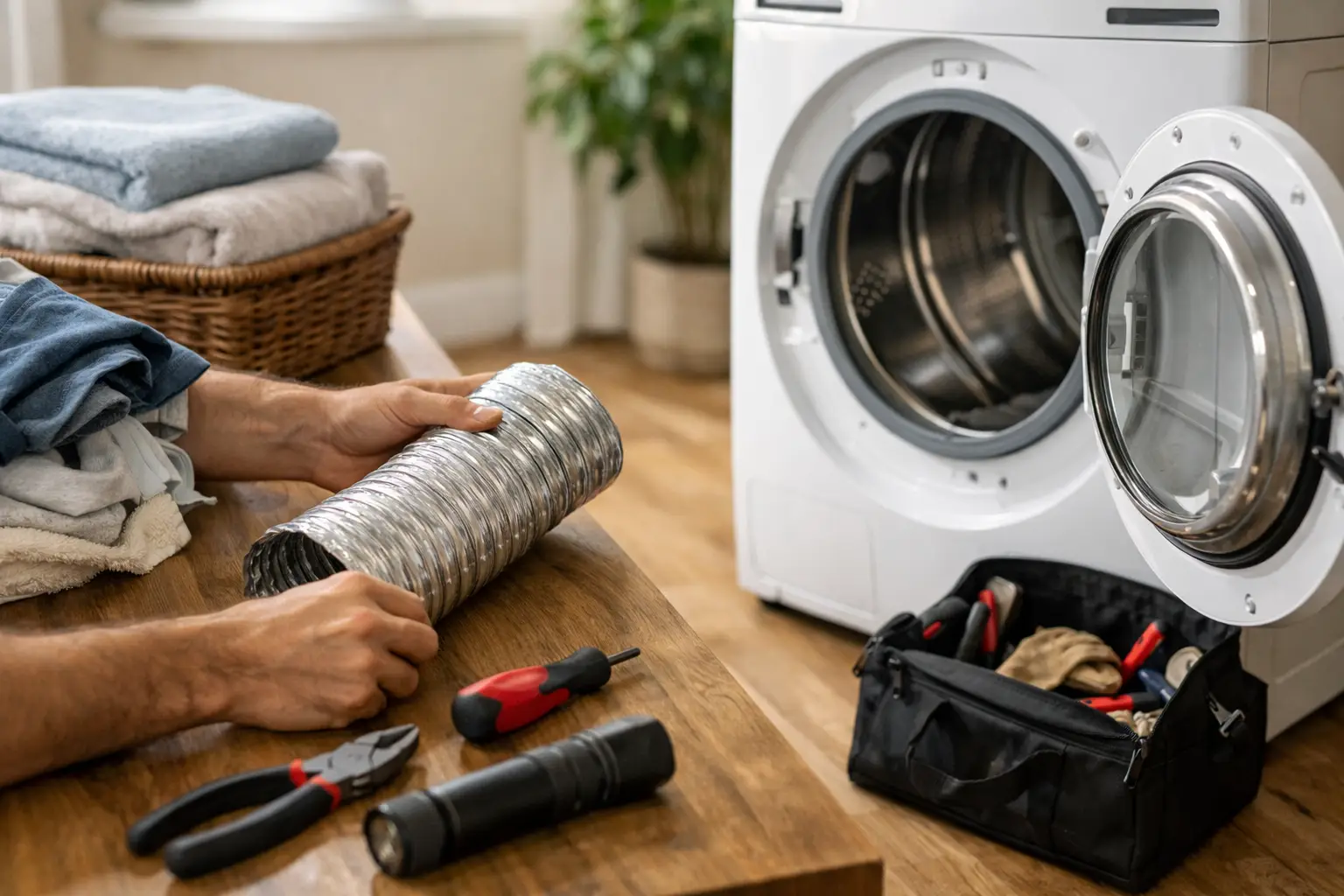





Why Washer Smells Musty and What to Check
Why washer smells musty often comes down to moisture, soap buildup, or drainage. Learn safe checks and when a repair visit makes sense for your home now.
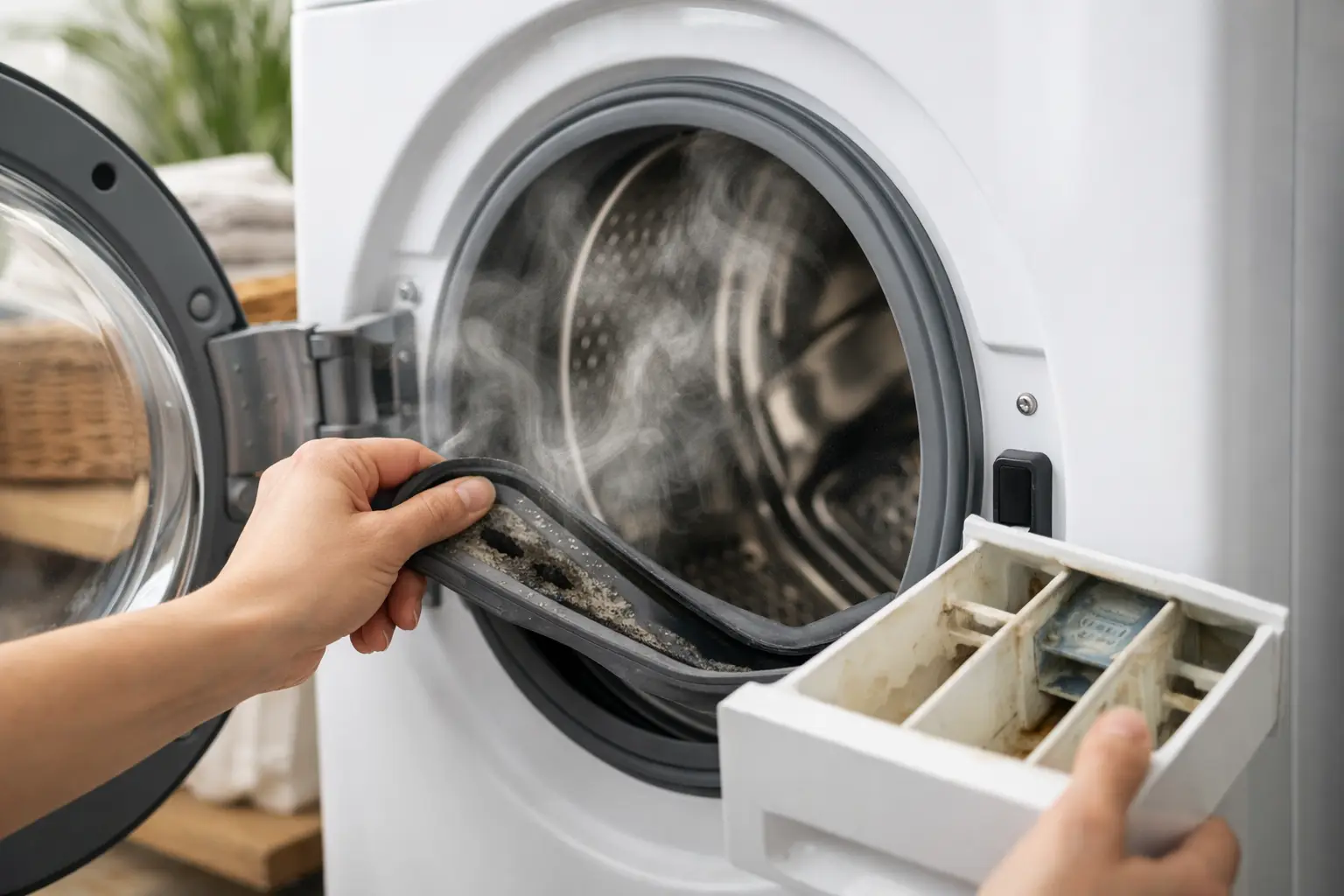
A musty washer smell usually hits when you open the door to start a load. The clothes may still look clean, but they come out with a damp, stale odor. If you are asking why washer smells musty, the short answer is trapped moisture. The longer answer is that moisture mixes with soap residue, fabric softener, and dirt left behind from laundry.
This is common in front-load washers, but top-load models can develop the same problem. In apartments, condos, and rental units, the smell can get worse when the washer is used heavily or sits closed between loads. Most causes are simple to check. A few point to a drainage or mechanical problem that needs repair.
Why Washer Smells Musty After Washing Clothes
A washer is wet inside by design. The problem starts when the inside does not dry well after a cycle. Small amounts of water remain in the door seal, dispenser drawer, drain hose, and outer tub. Over time, this creates a thin film called biofilm. It is made of soap residue, oils from clothing, lint, and bacteria.
That film is often the source of the smell. It does not always mean the machine is dirty on the parts you can see. A washer drum can look clean while buildup is sitting behind the drum or inside the drain system.
Using too much detergent is one of the most common reasons. High-efficiency washers use less water. Extra detergent may not rinse away fully, especially in cold-water cycles. Liquid fabric softener can leave a coating too. That coating holds moisture and gives odor-causing buildup a place to grow.
Leaving wet clothes in the washer for several hours also adds to the problem. One forgotten load will not usually damage the washer. But if it happens often, the damp air stays trapped and the smell can settle into the drum and door gasket.
Check the Door Seal and Detergent Drawer First
On a front-load washer, pull back the folds of the rubber door gasket. Look for lint, hair, small items, dark residue, or standing water. The lower part of the gasket is where water tends to collect. Wipe it with a clean cloth and mild soap, then dry it well.
Do not use sharp tools to scrape the seal. A torn gasket can leak and may need replacement. If the rubber has black staining that does not wipe off, or it feels slimy after cleaning, deeper buildup may be present behind the drum.
Next, remove the detergent dispenser drawer if your model allows it. Rinse each compartment with warm water. Check the cavity where the drawer slides in as well. Soap and softener often collect there, and the smell can be stronger than it is inside the drum.
For a top-load washer, check under the lid and around the agitator or wash plate. Residue can collect below the rim of the tub where it is easy to miss.
Use the Right Cleaning Cycle
Many newer washers have a Tub Clean, Clean Washer, or Self Clean cycle. Run that cycle with the washer empty and use a cleaner made for washing machines if the owner’s manual allows it. The cycle uses hotter water and more movement to help loosen residue inside the tub.
If your washer does not have a cleaning cycle, use the hottest, longest empty cycle that the manufacturer permits. Follow the instructions for the cleaner you choose. Do not mix cleaning products. Bleach, vinegar, and other cleaners can create harmful fumes when combined.
One cleaning cycle may improve the smell, but it may not remove years of buildup. Run a second cleaning cycle if the machine still has an odor after it dries. If the smell returns quickly, the issue may be in the drain path rather than the drum.
Keep the Washer Dry Between Loads
After each load, leave the door or lid open for a few hours. On a front-load washer, also leave the dispenser drawer slightly open. This lets air move through the machine and helps the rubber seal dry.
Wipe visible water from the gasket. It takes less than a minute and can make a real difference. Use the correct amount of high-efficiency detergent if your washer calls for it. More soap does not make laundry cleaner. It often creates more residue.
If you mostly wash in cold water, run an occasional warm or hot load when the care labels allow it. Cold water saves energy and protects some fabrics, but it can leave more detergent and body oils inside the washer over time.
A Musty Washer Smell Can Be a Drainage Problem
A washer that does not drain fully can smell musty even after you clean the drum. Water may be sitting in the bottom of the outer tub, pump area, or drain hose. You may also notice slow draining, water left in the drum, a gurgling sound, or an odor that gets worse after the washer has been off overnight.
A partially blocked drain pump filter is a common cause on many front-load machines. The filter catches coins, lint, hairpins, and other small items before they reach the pump. When it gets clogged, drainage can slow down.
Check your owner’s manual before opening a filter. The access door is often near the lower front of the washer. Water can spill out when the filter is removed, so place towels and a shallow pan underneath. If the filter is hard to remove, the washer is not draining, or you see damage, stop there.
The drain hose can also cause trouble. If it is bent, pushed too far down the standpipe, or installed at the wrong height, dirty water may not leave the washer correctly. In some cases, water can flow back into the machine after a cycle. This is more likely in older buildings or when plumbing has changed.
If several drains in the home are slow or have an odor, the washer may not be the main problem. A plumbing issue can send sewer odor back through the washer drain. That calls for a plumber rather than a washer repair visit.
When Cleaning Is Not Enough
Call for service when the odor comes back soon after cleaning, the washer leaves water behind, or clothes smell worse after each wash. Those signs can point to a weak drain pump, clogged internal hose, worn door gasket, or a problem with the drain setup.
A grinding noise during draining is another reason to schedule service. So is an error code that returns after you clean the filter and run a cycle. Do not keep running the washer if it is leaking, failing to spin, or showing signs of poor drainage. A small blockage can turn into a larger water problem.
For homeowners, tenants, and property managers in West Hollywood, a washer problem can disrupt the whole household or building routine. Vertex Appliance Repair can inspect the drain system, pump, hoses, gasket, and internal buildup when normal cleaning does not solve the odor. The diagnostic fee is $89 and is waived when you approve the repair. Labor and installed parts are covered by a 90-day warranty.
Prevent the Musty Smell From Returning
The best prevention is simple: use the right amount of detergent, remove laundry soon after the cycle ends, and let the washer air out. Clean the dispenser and door seal regularly. Run a washer-cleaning cycle about once a month, or more often if the machine handles frequent loads, pet bedding, gym clothes, or heavily soiled work clothes.
Fabric softener is not always the problem, but reducing how much you use can help if residue keeps returning. Powder detergent can also leave buildup if it does not dissolve well in cold water. It depends on your washer, water temperature, and the products you use.
A clean-smelling washer should not need heavy perfume to cover an odor. If the stale smell stays after careful cleaning and drying, treat it as a sign that water or residue is trapped somewhere it should not be. Fixing that early is easier than waiting for the washer to stop draining or start leaking.
Related articles

Oven Temperature Troubleshooting at Home

Refrigerator Not Cooling With Frost on the Freezer Wall — Heater or Thermistor?