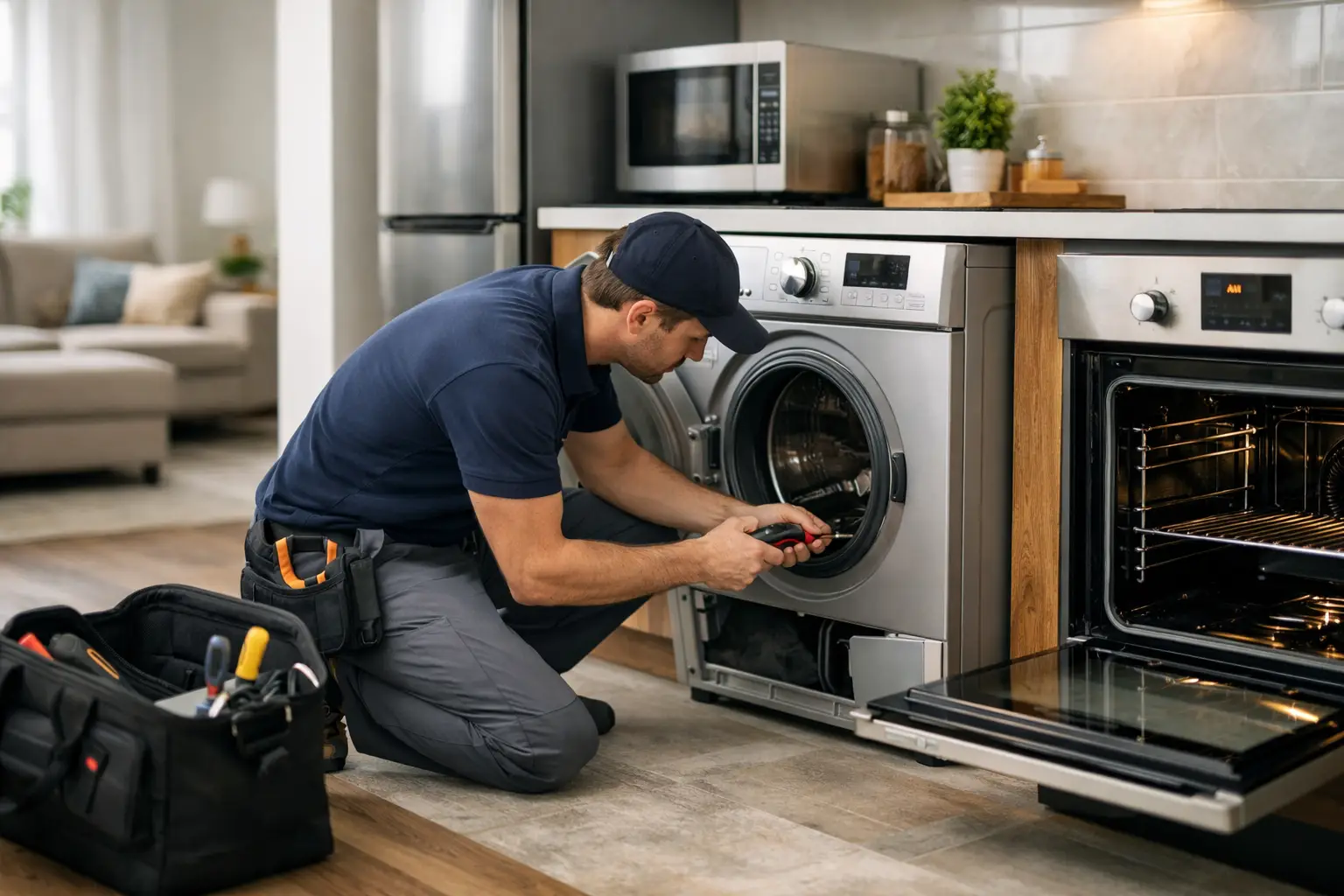





What Appliance Repair Warranties Cover in 90 Days
Appliance repair warranties can prevent repeat repair costs. Learn what a 90-day labor and parts warranty covers, what it excludes, and when to call for help.
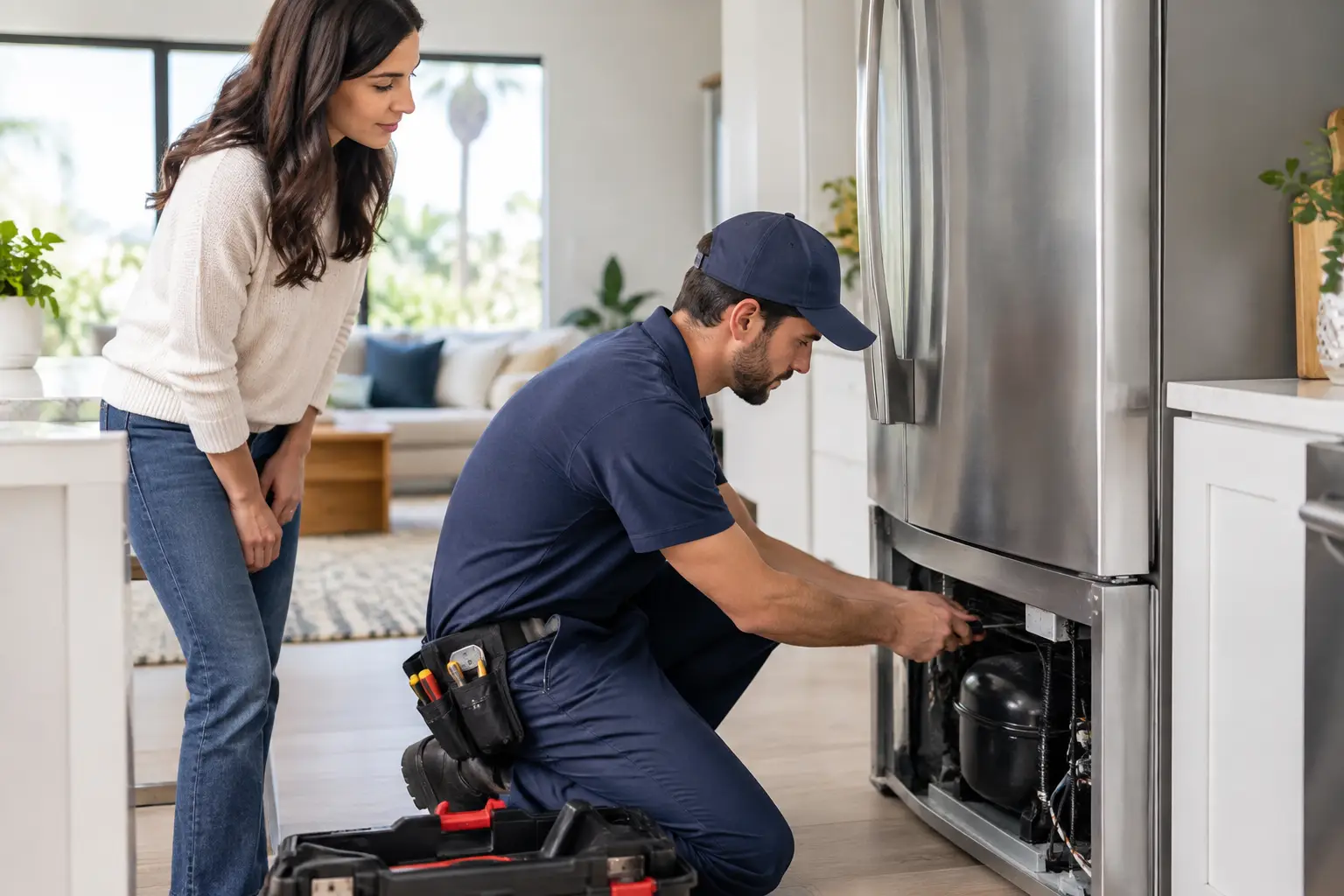
Most warranty problems come from not knowing if the new issue is the repaired part, the labor, or a different part that failed later. Appliance repair warranties are meant to cover the original approved repair, not every problem an appliance may develop after the visit.
For homeowners, tenants, landlords, and property managers, that difference matters. A refrigerator can cool again after a start relay repair, then develop a separate defrost problem weeks later. Both problems are inside the same refrigerator, but they are not necessarily the same repair.
Vertex Appliance Repair provides a 90-day warranty on labor and installed parts. It gives you time to use the appliance normally and report a problem related to the completed repair. It also sets clear limits, which helps avoid arguments when an older appliance develops a new fault.
What do appliance repair warranties usually cover?
A repair warranty normally covers the specific part installed during the repair and the labor used to install it. If a technician replaces a dryer thermal fuse and the same fuse fails because of a problem with the installation or the part itself, that is the type of issue a warranty is designed to address.
The same applies to a dishwasher drain pump, a washer door lock switch, a refrigerator start relay, or an oven igniter. If the repaired symptom returns during the warranty period, contact the repair company before another person works on the unit. A second repair attempt can make it harder to identify what failed and whether the original repair is involved.
Coverage starts with the work that was approved. The invoice should show the part replaced, the labor performed, and the date of service. Keep it. For a rental property, send a copy to the owner or property manager so the person reporting a later issue has the correct details.
A 90-day warranty is useful because many repair-related problems show up quickly. A loose wire connection may cause an intermittent shutdown. A defective replacement part may fail after a few cycles. A drain hose may shift after a washer moves during use. These are repair-specific concerns that can be inspected against the original work order.
What is not covered by a repair warranty?
A warranty does not reset the age of the appliance. It does not cover unrelated worn parts, damage caused after the repair, power problems in the home, or misuse. Older appliances often have more than one weak component. Fixing one is still worthwhile when it restores normal use, but it does not make the whole machine new.
For example, replacing an oven igniter does not cover a later failed electronic control board. Replacing a refrigerator condenser fan motor does not cover a clogged water filter or a damaged ice maker fill tube. Replacing a washer lid lock does not cover a cracked suspension rod that causes hard spinning.
External conditions matter too. A tripped breaker, a loose outlet, low water pressure, a kinked drain hose, or a blocked dryer vent can create symptoms that look like an appliance failure. Physical damage, pests, spills on control boards, and work done by another person after the repair can also fall outside warranty coverage.
For dryers, airflow is a common issue. A new heating element can fail again if the vent is blocked and the dryer overheats. The thermal fuse is a safety part. It often opens because heat could not leave the dryer, not because the fuse was the original cause. Dryer vent cleaning starts at $149 when a restricted vent is part of the problem.
Is the part bad again, or is it a new problem?
What people usually assume is that the replacement part failed again. That assumption is reasonable. The appliance worked after the visit, and now the symptom seems similar.
Why it is often incorrect is that many appliances use several parts to do one job. A refrigerator that is warm can have a failed start relay, dirty condenser coils, a failed evaporator fan, a defrost heater problem, or a control issue. A dryer that will not heat can have a bad heating element, a thermal fuse, a faulty gas valve coil, poor venting, or no 240-volt supply at the outlet.
What it actually is may be a different failed part or an outside condition. For example, a refrigerator may start cooling after a start relay replacement, then become warm again because the condenser coils are packed with dust and the compressor cannot shed heat. The repair was not wrong. The unit had more than one problem.
The same thing happens with washers. A customer may think a repaired drain pump has failed because the washer stops before spin. The real cause can be a door lock switch that does not confirm the door is secure. The machine will not spin until it receives that signal. The drain pump and the door lock are separate circuits, even though both can lead to wet clothes at the end of a cycle.
This is why a technician checks the symptom again instead of simply ordering the same part. Voltage, continuity, airflow, water flow, and error codes help separate a repeat failure from a new one. On a gas oven, igniter current draw can show whether the igniter is weak even when it still glows orange. On an electric dryer, checking both hot legs at the outlet can explain why the drum turns but the heater does not work.
What can I check myself in five minutes?
If a refrigerator seems warm, check the temperature settings and make sure food packages are not blocking the air vents inside the fresh-food section or freezer. Then pull the unit forward only if it is safe to do so, unplug it, and look at the lower rear or bottom-front condenser area for heavy dust and pet hair. Do not bend tubing or remove panels that expose electrical parts.
Take a clear photo of anything you see and note whether the freezer is cold, whether the interior light works, and whether you hear a fan or clicking sound. Those details help a technician narrow down the issue when you call.
For a dryer, clean the lint screen and check the outside vent flap while the dryer runs. The flap should open with a steady flow of air. If it barely moves, the load takes too long to dry, or the laundry room feels very hot, stop using the dryer until the vent is checked. Restricted airflow can damage parts and creates a safety concern.
Do not keep resetting a breaker or repeatedly starting an appliance that has a burning smell, visible smoke, sparking, or a strong gas odor. Turn it off and arrange service. Those symptoms need an in-home inspection, not trial and error.
When should I call about a warranty repair?
Call as soon as the same symptom returns. Have the service date, invoice, appliance model number, and a short description ready. Say what the appliance is doing now, not just that it is “broken.” For example: “The dishwasher fills, but it will not drain,” or “The refrigerator clicks every two minutes and is not cooling.”
If the repair was approved, the $89 diagnostic fee was waived on that original visit. A warranty concern should be evaluated based on the original repair and the current symptom. If the technician finds that the installed part or labor is at fault within 90 days, the warranty applies. If testing finds a separate issue, the technician should explain the finding and the repair options before proceeding.
This process is especially helpful in West Hollywood rental units and condos, where several people may report the problem. Ask occupants not to use the appliance in a way that could make the damage worse. Keep the invoice with the property records, and report changes early rather than waiting for a small symptom to become a larger repair.
A repair warranty is most useful when it is clear and specific. Use the appliance normally, keep the paperwork, and call when the original symptom comes back. That gives the technician the best chance to protect the repair and get the appliance working again with as little disruption as possible.
Related articles
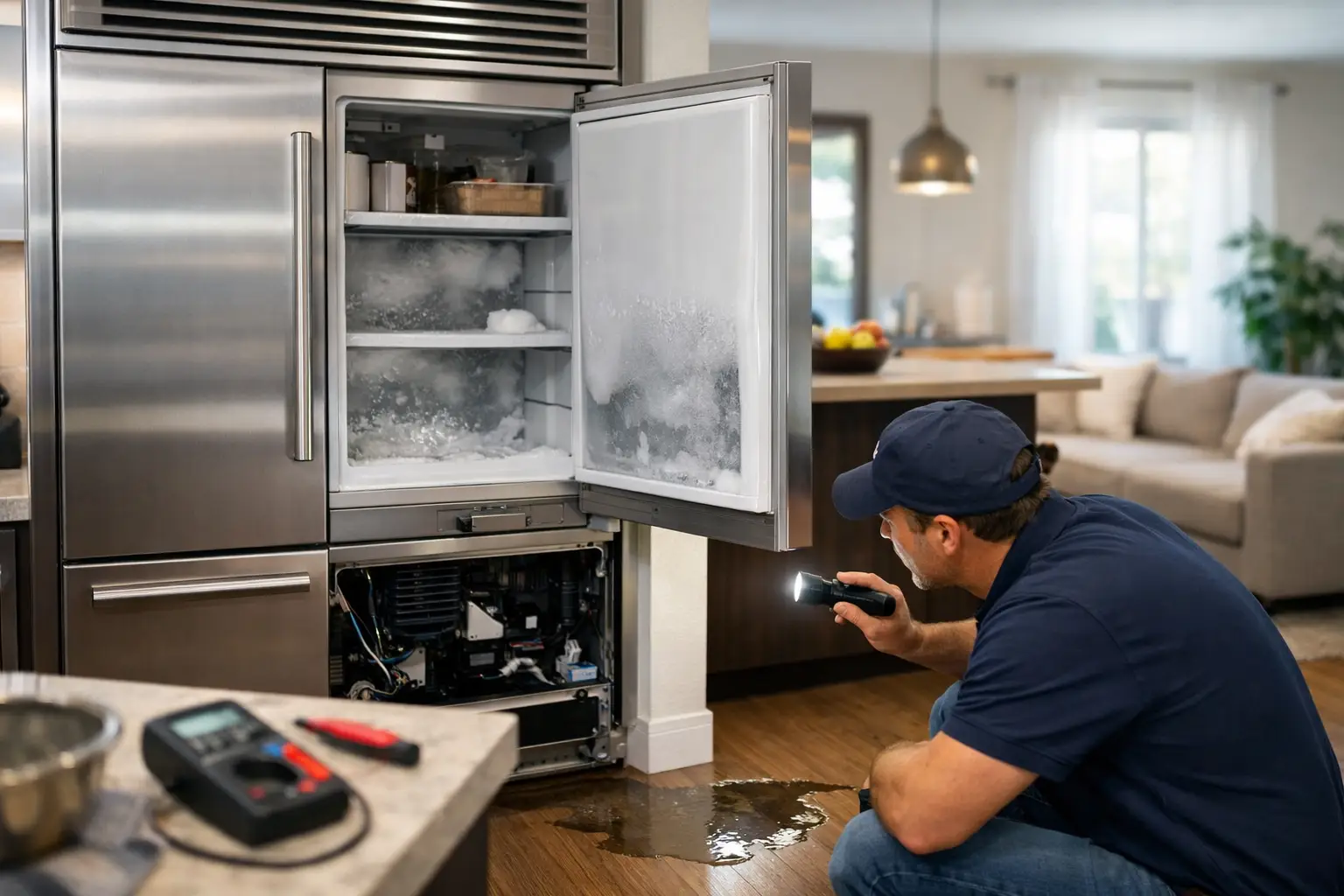
Sub-Zero Error 24 EC — Check the Condenser Before the Defrost Parts
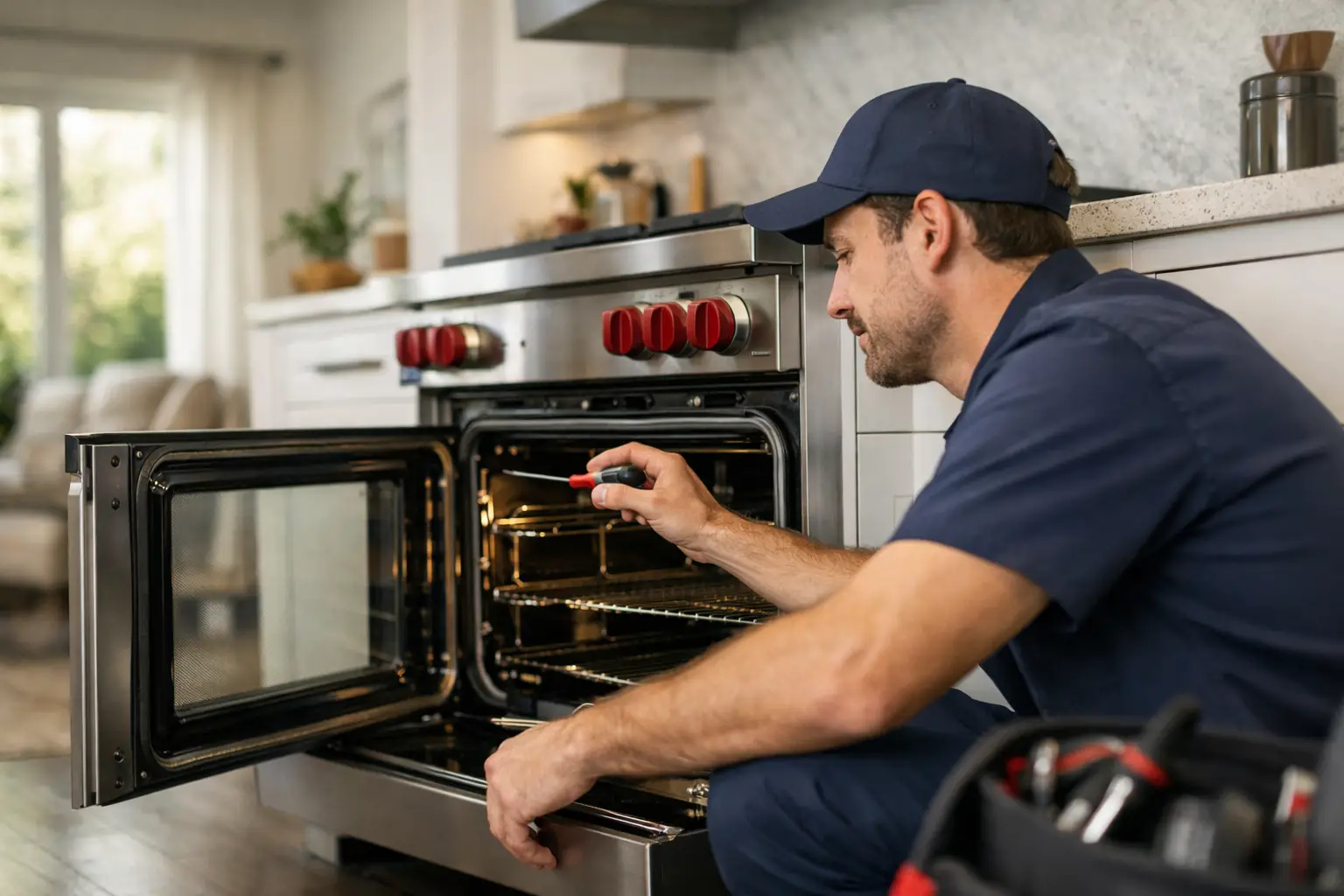
Oven Only Works on High Temperature — It’s the Thermostat