




Beverly Hills Refrigerator Repair Warning Signs
Need Beverly Hills refrigerator repair? See warning signs, safe checks, and when a service visit can protect food, floors, and your daily routine at home.
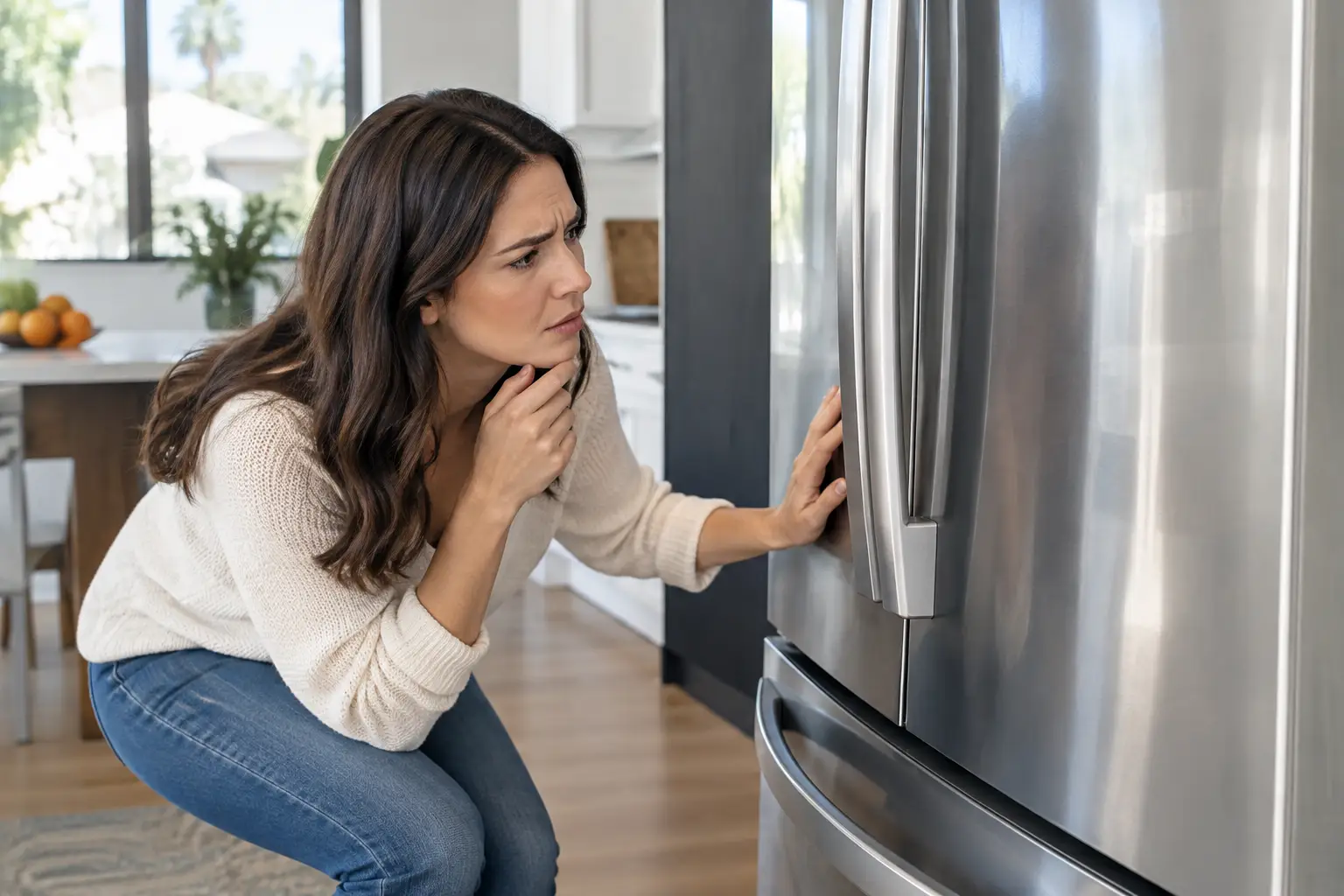
A refrigerator can seem almost normal right up until the food is warm, water is on the floor, or the ice maker stops working. Beverly Hills refrigerator repair is usually needed when cooling becomes uneven, the unit runs without stopping, or a small leak keeps coming back. Waiting can mean spoiled food, damaged flooring, and a larger repair.
The first job is to separate a simple issue from a problem inside the appliance. You can do a few safe checks at home. If the problem continues, a technician can test the cooling system, controls, fans, and defrost parts without guessing.
When Beverly Hills Refrigerator Repair Makes Sense
A refrigerator should hold a steady temperature. The fresh food section should feel cold, and the freezer should keep food fully frozen. If milk spoils early, frozen items get soft, or one shelf is much warmer than another, the refrigerator is not doing its job.
Some problems are urgent. Food safety comes first when the refrigerator compartment is warm for several hours. Move perishable food to another working refrigerator or a cooler with ice if possible. Do not keep opening the door to check it. Every door opening lets more warm air inside.
Water on the floor also deserves quick attention. A small puddle may come from a blocked drain or a loose water connection. It can also come from the ice maker system. Water can reach wood flooring, cabinets, or the unit below in a condo building.
A refrigerator that makes a new loud sound should be checked as well. A light hum is normal. Repeated clicking, grinding, squealing, or a fan hitting ice is not normal. The sound may point to a failing fan motor, a compressor start problem, or ice buildup around the evaporator fan.
Start With a Few Safe Checks
Before scheduling service, make sure the refrigerator has power. Check that the interior light turns on when the door opens. Look at the control panel and make sure the temperature was not changed by accident. For most homes, 37 to 40 degrees Fahrenheit is a good refrigerator setting. The freezer is commonly set near 0 degrees.
Check the door seals next. Close the door on a sheet of paper. If the paper slides out with almost no resistance in several spots, the gasket may not be sealing well. A dirty gasket can sometimes be cleaned with warm water and mild soap. A torn or loose gasket usually needs replacement.
Look inside for blocked air vents. Large containers pushed against the back wall can stop cold air from moving through the compartment. Rearrange the food and leave space around vents. Do not pack the freezer tightly either. Airflow matters in both sections.
If the refrigerator has a water dispenser or ice maker, inspect the area behind it only if it is safe and easy to reach. Check for a visible kink in the water line. Do not pull a heavy built-in refrigerator away from the wall by yourself. These units can damage floors, cabinets, or their own water lines.
If you see thick frost on the freezer back panel, do not chip it with a knife or sharp tool. This can puncture an internal part and turn a repairable problem into a major one. Frost in that area often means a defrost system problem, not just a need to remove ice.
Common Refrigerator Problems We Find
The refrigerator is warm but the freezer still works
This often happens when cold air cannot move from the freezer to the fresh food section. A failed fan, an iced-over evaporator, a bad air damper, or a defrost issue can cause it. Food may feel cold near one vent but warm on the upper shelves.
It is tempting to lower the temperature setting. That rarely fixes the cause. The unit may run longer while the refrigerator section still stays too warm.
The freezer is warm too
When both sections are warm, the problem may involve the compressor, condenser fan, start device, control board, or sealed cooling system. The compressor is the main part that moves refrigerant through the appliance. It should not be diagnosed by sound alone.
You may hear clicking every few minutes without the unit starting. That can happen when the compressor is having trouble starting. A service visit can determine whether the issue is a replaceable electrical part or a more serious cooling system concern.
The refrigerator runs all the time
Long run times can be normal during very hot weather, after a large grocery load, or when doors are opened often. It is not normal if the unit runs almost nonstop for days and still does not hold temperature.
Dirty condenser coils can add to the problem on some models. If the coils are accessible from the front or back, gentle vacuuming can help. Always unplug the appliance first. Built-in models and units with covered coil systems should be handled more carefully.
There is water under the refrigerator
A clogged defrost drain is a common reason for water inside the refrigerator or on the floor. During normal operation, frost melts and drains into a pan underneath the unit. If the drain is blocked, water may overflow into the fresh food section or freezer.
A leaking filter housing, cracked water line, or ice maker connection can also cause a puddle. Turn off the water supply to the refrigerator if water is actively leaking. Then place towels around the area and arrange service before the leak reaches nearby cabinets or flooring.
The ice maker is slow or does not make ice
First, make sure the ice maker is turned on and the freezer is cold enough. Ice production slows when freezer temperature is too high. A clogged water filter, low water flow, a frozen fill tube, or a failed ice maker part can also be the cause.
Replacing a filter may help when water flow is weak, but it will not solve every ice problem. If the ice maker has stopped completely, a technician can check the water valve, sensors, ice maker assembly, and freezer temperature.
Built-In Refrigerators Need Careful Service
Many Beverly Hills homes have built-in refrigerators, panel-ready units, wine coolers, and other appliances installed tightly within custom cabinets. These systems often need extra access work. The unit may need to be moved safely, and panels must be protected from scratches or damage.
A built-in refrigerator is not always harder to repair, but it can take more planning. Part availability also depends on the model and the exact failure. Having the model number ready helps. It is usually found inside the refrigerator compartment, along the door frame, or near the lower kick plate.
For renters, it also helps to take photos of the issue before a visit. Send clear pictures to the landlord or property manager if they are responsible for approval. For property managers, quick action can prevent food-loss complaints and water damage in an occupied unit.
What to Expect From a Service Visit
A good diagnosis starts with the symptoms. Share when the problem began, whether cooling changed slowly or suddenly, and whether there was a power outage. Mention any error code, unusual sound, or water leak. Those details help narrow down the issue before parts are ordered.
The technician should check actual temperatures, airflow, fans, defrost operation, electrical components, and water connections when applicable. The repair recommendation should explain what failed and whether the part is available. Some repairs can be completed during the visit. Others need a return visit when a specific part must be ordered.
Vertex Appliance Repair serves Beverly Hills and nearby West Hollywood neighborhoods with in-home refrigerator service. The diagnostic fee is $89 and is waived when you approve the repair. Repairs include a 90-day warranty on labor and installed parts.
If the refrigerator is warm, leaking, or making a new repeated noise, call 323-747-7098 before the problem gets worse. Keep the doors closed, protect the floor if there is water, and have the model number ready. Those small steps can make the repair visit faster and help protect your food and home.
Related articles
Sub-Zero Error 24 EC — Check the Condenser Before the Defrost Parts
Oven Only Works on High Temperature — It’s the Thermostat