




Commercial Appliance Repair for Small Properties
Commercial appliance repair for small properties: spot urgent faults, protect tenants, and know what to expect from a service visit in West Hollywood.
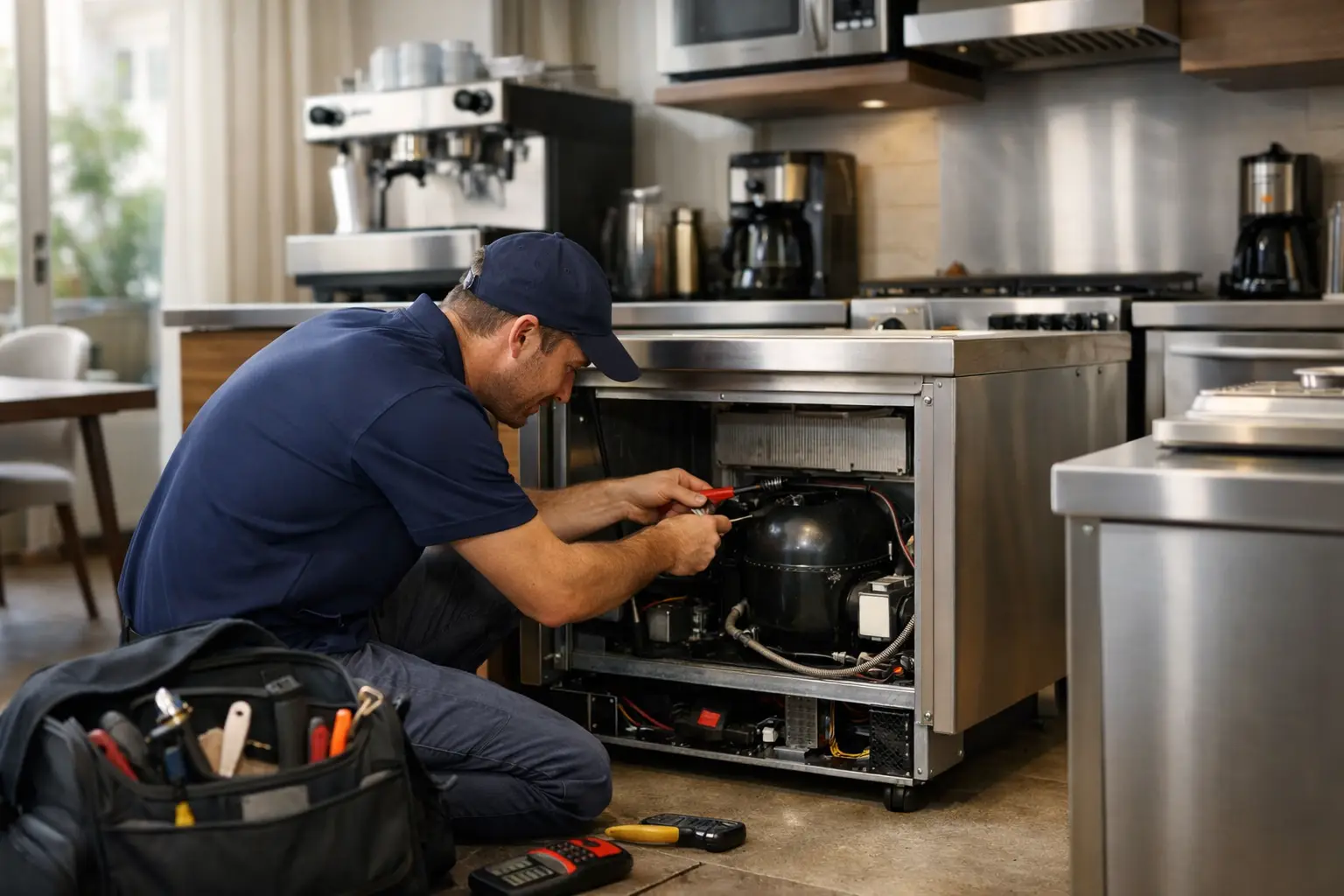
A broken refrigerator in a small cafe, a shared laundry dryer in an apartment building, or an oven in a rental unit can create a problem fast. Commercial appliance repair is not only about getting the machine running again. It is about protecting food, avoiding tenant complaints, and keeping a property or business usable.
For small properties and light commercial setups, the right repair often depends on how the appliance is used. A refrigerator that runs all day under heavy use wears differently than one in a home. A dryer in a shared laundry room may have a blocked vent, worn rollers, or a motor that is working too hard. The symptoms may look small at first. Waiting can turn them into a larger repair.
When Commercial Appliance Repair Is Needed
Commercial appliance repair may be appropriate for appliances in small rental properties, offices, studios, small food businesses, and shared laundry areas. It can also apply to built-in appliances or heavy-use residential-style units in a multi-unit property.
The first question is not always, “Is this appliance commercial?” The better question is, “What is the appliance doing, and how much use does it get?” A high-use washer, dryer, refrigerator, range, dishwasher, ice maker, or wine cooler may need a different approach than a lightly used household machine.
Some equipment is made for a full commercial kitchen or large laundry operation. Those units may need a specialist who works on that exact equipment type. Before scheduling service, have the brand, model number, and a clear description of the problem ready. This helps confirm whether the repair is a good fit and whether parts may need to be ordered.
Problems That Should Not Wait
Some appliance issues are inconvenient. Others can cause damage, safety concerns, or lost income. A refrigerator that is not holding a safe temperature can lead to spoiled food. A washer that leaks can damage flooring, cabinets, and units below. A dryer that smells hot or takes too long to dry needs attention before it becomes a larger issue.
Call for service if you notice a burning smell, smoke, sparking, repeated tripped breakers, gas odor, water leaking onto the floor, or a refrigerator that is warm inside. Turn the appliance off if it is safe to do so. For a gas odor, leave the area and contact the gas utility or emergency services as needed. Do not try to find the leak yourself.
Other warning signs are less urgent but still worth checking soon. These include loud grinding, banging during a wash cycle, frost building up in a refrigerator, a dishwasher leaving water in the bottom, an oven that heats unevenly, or an ice maker that stops producing ice. Appliances rarely fix themselves. A small sound or slow cycle can be the first sign of a failing part.
What You Can Check Before a Service Visit
You do not need to take an appliance apart. A few simple checks can save time and give the technician useful details.
Make sure the appliance has power. Check that it is plugged in, the outlet is working, and the breaker has not tripped. If a breaker trips again after being reset, stop using the appliance. That can point to an electrical problem.
For refrigerators, check that the doors close fully and the vents inside are not blocked by food or boxes. Dirty condenser coils can also make some units run longer and cool poorly. If the coils are easy to reach, gentle vacuuming can help. Do not bend the coil fins or pull on wiring.
For washers and dishwashers, look for a kinked drain hose or a closed water valve. If there is a leak, note where the water appears first. Water under the front of a washer, under a dishwasher door, or behind the machine can point to different causes.
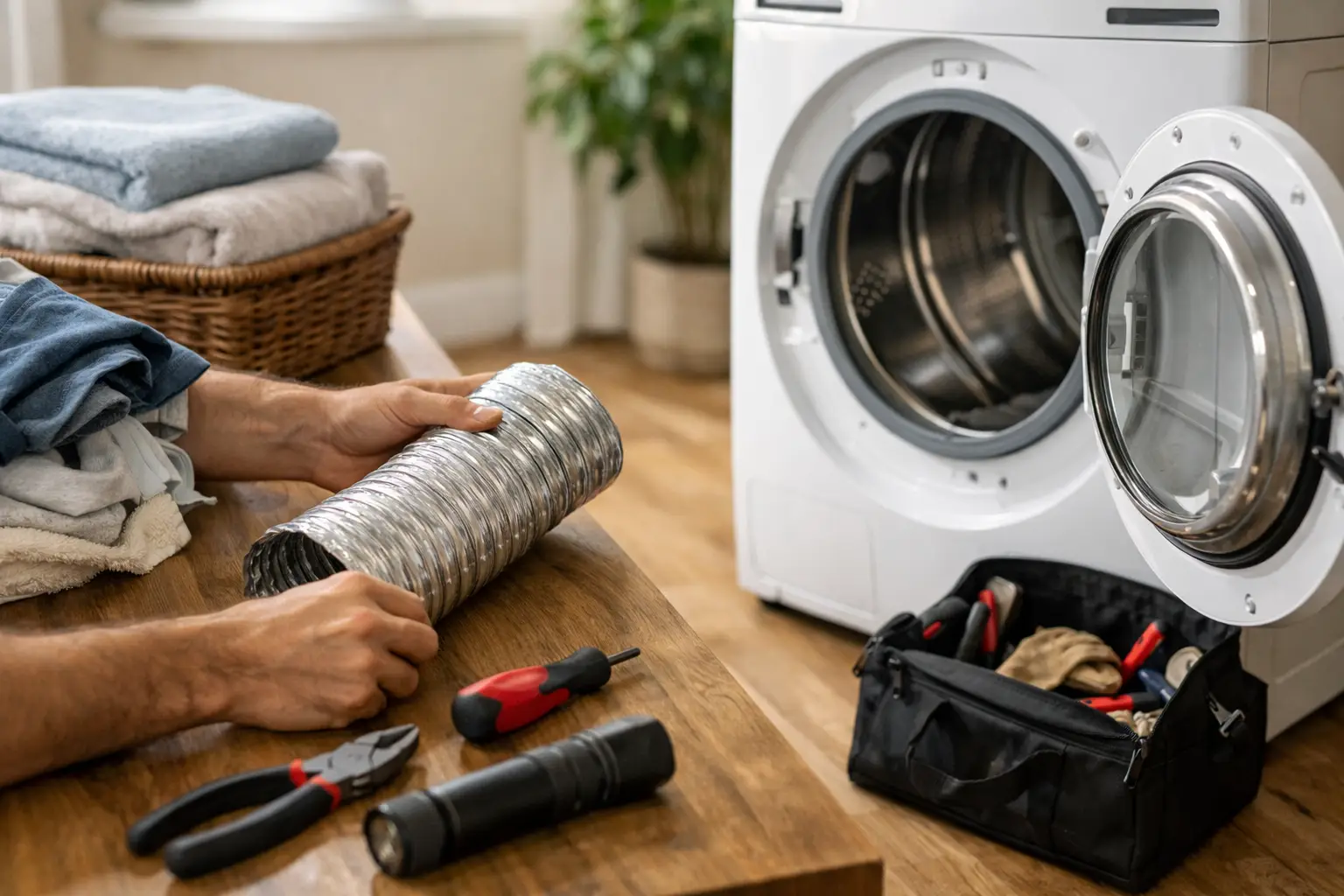
For dryers, clean the lint filter. Then check the outside vent flap while the dryer is running. It should open and move air out. If there is little airflow, the vent may be blocked. Do not keep running a dryer with poor airflow or a hot burning smell.
For ovens and ranges, remove loose foil, spilled food, or anything blocking the burner area. If one burner does not heat, try a different pan before assuming the burner has failed. A warped or very small pan can cause poor heating on some cooktops.
Take a photo of any error code on the display. Write down when the problem happens. For example, does the dishwasher stop at the same point every cycle? Does the dryer make noise only when it starts? Those details help narrow down the cause.
Why Fast Diagnosis Matters for Property Managers
Property managers have a different problem than a homeowner with one appliance. A failed appliance can affect a tenant, a turnover schedule, a cleaning crew, or several residents using a shared laundry room. Delays can lead to repeated calls and frustration on both sides.
A clear repair visit starts with the basics: the appliance brand and model, the unit number, the symptom, and access instructions. If the appliance is in an occupied unit, make sure the tenant knows the appointment window. If the appliance is built in, clear nearby items when possible. This gives the technician room to inspect the unit safely.
It also helps to be clear about approval. Some repairs can be completed during the first visit if the needed part is available. Other repairs require a special-order part. A good diagnosis explains what failed, what the repair involves, and whether repair makes sense compared with replacement.
Age matters, but it is not the only factor. A newer appliance with one failed part is often worth repairing. An older unit with multiple failing parts, rust, major control board problems, or a sealed cooling system issue may be harder to justify. The decision depends on the appliance condition, part availability, downtime, and the cost of replacement.
Common Repairs in Small Commercial Settings
Refrigerators often need help with cooling problems, loud fans, ice buildup, damaged door seals, ice maker failures, or water leaks. If a refrigerator runs constantly, the cause may be as simple as dirty coils or a worn door gasket. It can also be a fan, sensor, defrost part, or compressor-related issue. Diagnosis matters because these problems can look alike from the outside.
Washers may stop draining, shake hard, leak, fail to spin, or show an error code. In shared laundry areas, small items can also get trapped in pumps or hoses. Overloading is another common cause of wear. A washer that bangs loudly should not be ignored, especially on an upper floor.
Dryers often have heating, airflow, noise, or drum-turning problems. Poor venting can make drying times longer and put extra stress on the machine. Replacing a heating part without fixing a blocked vent may only bring the problem back.
Dishwashers can leak, leave dishes dirty, fail to drain, or stop mid-cycle. Food debris in filters is common, but not every drain problem is a simple clog. A failed drain pump, door latch, float switch, or control issue may be involved.
Ovens, ranges, and cooktops may have burners that will not light, heating elements that fail, temperature problems, or damaged controls. Gas and electrical cooking appliances need careful handling. If the issue involves gas smell, sparking, or electrical burning, stop using the unit until it is checked.
What to Expect From the Repair Visit
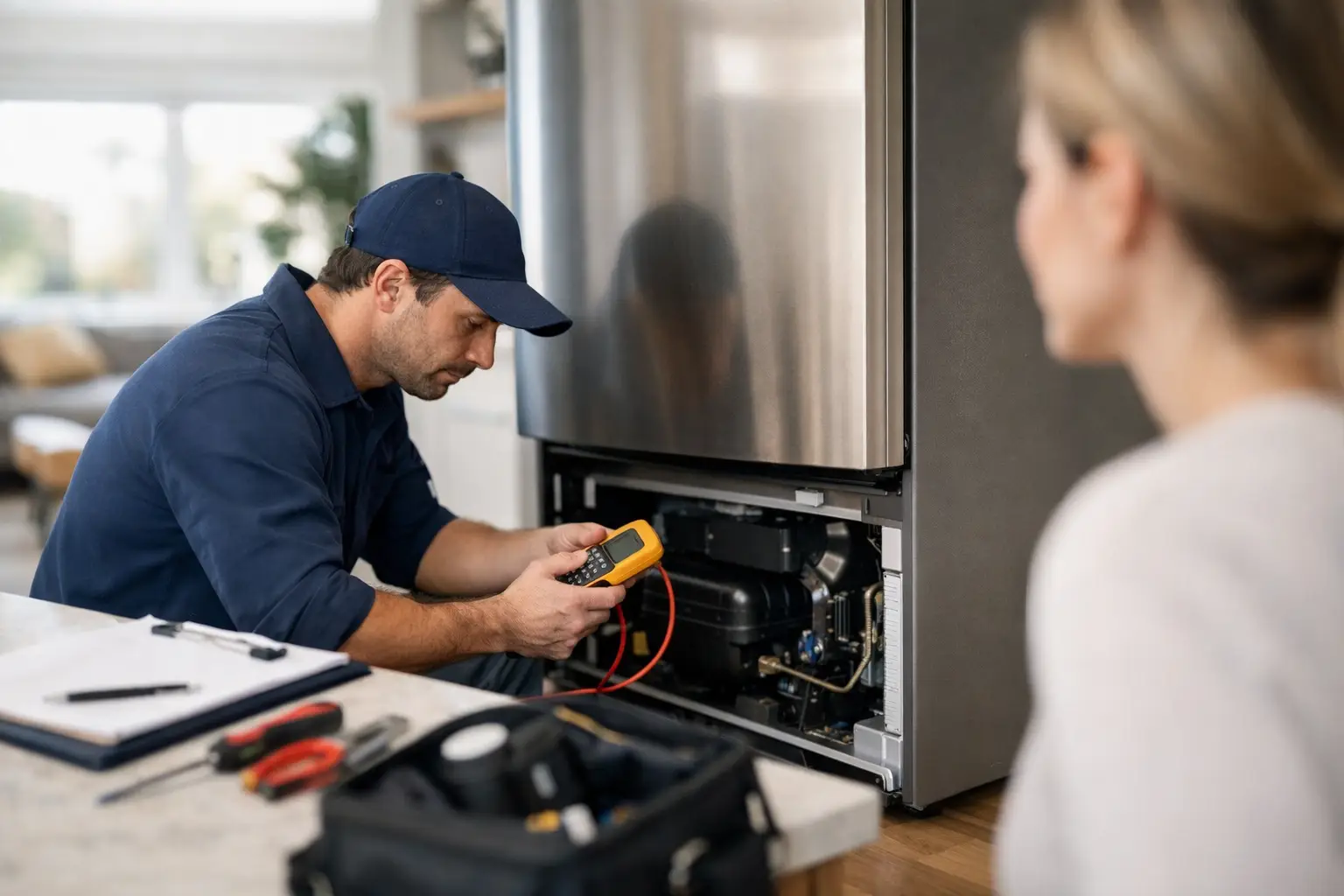
At Vertex Appliance Repair, the diagnostic fee is $69. That fee is waived when the repair is approved. The visit starts with checking the appliance, testing the parts related to the symptom, and explaining the likely cause in plain terms.
If repair is recommended, you should know what part is needed and whether it is available now or needs to be ordered. Not every repair can be completed in one visit. This is especially true for older appliances, built-in units, and models with less common parts. Honest timing is better than a vague promise.
Completed repairs and installed parts include a 90-day warranty. Keep the repair details for your records, especially if you manage rentals or need to track maintenance for several units.
Keep Small Problems From Becoming Shutdowns
Regular cleaning and basic care can prevent some service calls. Keep refrigerator doors from being held open. Clean dryer lint filters after every load. Do not overload washers. Run dishwashers with the filter clean and spray arms free of debris. Report leaks and strange sounds early instead of waiting for the appliance to stop completely.
For homeowners, tenants, landlords, and property managers in West Hollywood and nearby neighborhoods, a clear description of the problem is the best place to start. If an appliance is leaking, overheating, failing to cool, or stopping mid-cycle, call 323-747-7098 before the disruption spreads to the rest of the property.
Related articles
Oven Temperature Troubleshooting at Home
Refrigerator Not Cooling With Frost on the Freezer Wall — Heater or Thermistor?