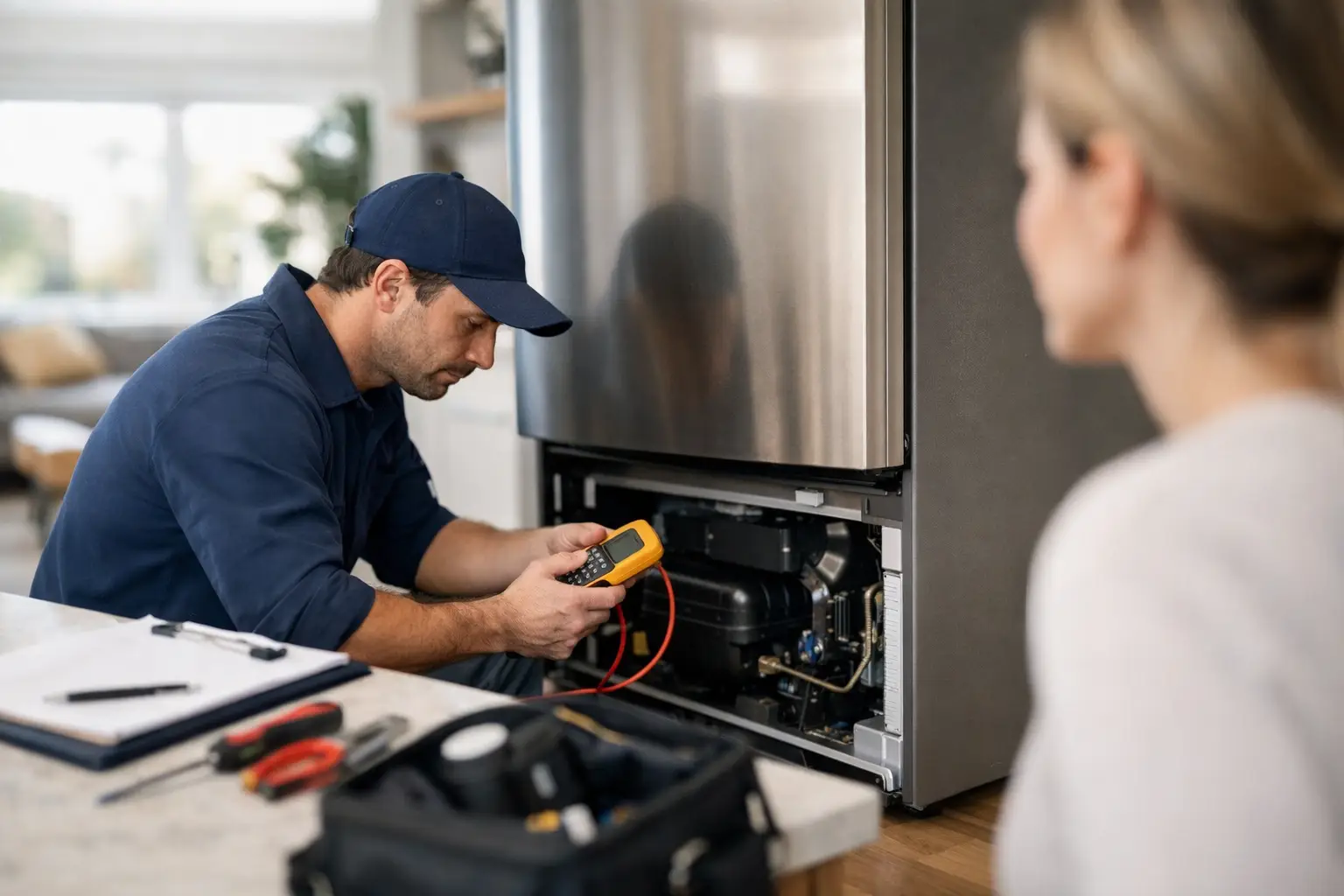





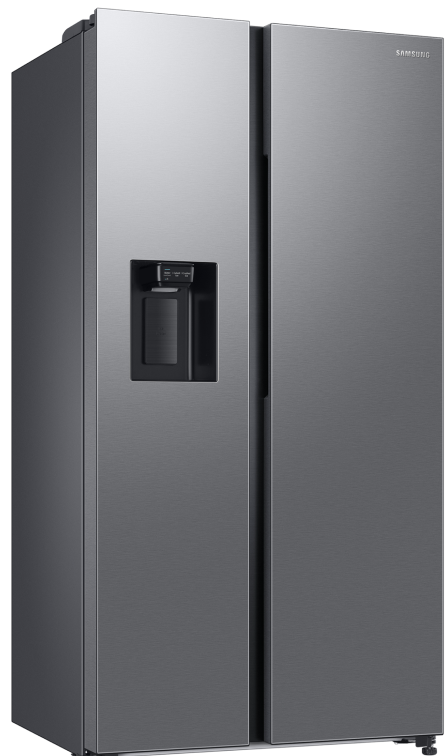
Refrigerator Repair in Los Angeles
$89 diagnostic fee — waived when you approve the repair

Repair on the day of call

REPAIR ANY BREAKDOWN

The refrigerator makes noise
- Replacing the relay
- Compressor replacement
The refrigerator does not turn off
- Minor refrigerator repair
- Thermostat replacement
Refrigerator Leaking
- Changing the filter
- Freon refilling
The refrigerator is overfreezing
- Thermostat replacement
- Module repair
Refrigerator Does not freeze
- Eliminating leakage
- Vaporizer repair
The refrigerator is covered in ice
- Thermostat replacement
- Replacing the defroster
Appliance Brands We Service





















Appliance Repair Service Area
Refrigerator Repair: Symptoms and What They Usually Mean
Most refrigerator problems announce themselves in one of six ways. Below is what each symptom typically points to and what a technician checks before quoting a part. Knowing this in advance makes it easier to tell whether a repair is worth doing and whether a quote you have been given makes sense.
Running but Not Cooling
If the light comes on and you can hear the unit running but the compartment is warm, the sealed system is often fine. The three most common causes are a failed evaporator fan, a defrost system that has iced over the evaporator coil, and condenser coils clogged with dust and pet hair.
A quick check you can do yourself: open the freezer and listen. If you hear no fan, or the fan starts and stops when you press the door switch, that points at the evaporator fan. If the back wall of the freezer is a solid sheet of ice, that is a defrost problem — heater, thermostat or control board. Either way, replacing a compressor on a unit with one of these faults is an expensive mistake, and it happens more often than it should.
Freezer Works, Refrigerator Does Not
This combination almost always means air is not moving between the two compartments rather than a cooling failure. On single-evaporator units, the damper that lets cold air into the refrigerator section may be stuck, or the evaporator is iced over and blocking airflow. On dual-compressor built-ins, the two sections are independent, so the fault is isolated to one circuit — which narrows the diagnosis considerably.
Water Pooling Inside or on the Floor
Water in the bottom of the refrigerator compartment is normally a clogged or frozen defrost drain, not a leaking line. Meltwater from the defrost cycle cannot reach the drain pan, backs up and overflows into the compartment. Thawing the drain clears it for a few weeks and then it returns — the drain has to be cleared properly and the reason it froze identified.
Water behind the unit or on the floor points somewhere else: the supply line to the ice maker or dispenser, the inlet valve, or a cracked drain pan. If the water only appears when the ice maker fills, that narrows it immediately.
Ice Maker Not Producing, or Producing Badly
Four things account for most ice maker calls. A frozen fill tube sprays water instead of filling the mold. An inlet valve that does not close fully seeps between cycles, which produces oversized or fused cubes and ice building up under the bin. A clogged filter or a restricted supply line starves the fill. And a failed ice maker module simply stops cycling.
The symptom tells you which. Hollow or undersized cubes point at fill volume. A sheet of ice under the bin points at a seeping valve. No water at all points at the valve, filter or line. Testing the fill cycle is faster and cheaper than replacing the assembly on guesswork.
Loud Buzzing, Humming or Clicking
A buzz that comes and goes with the cooling cycle is usually the condenser fan motor with worn bearings, or debris caught in the fan blade. A hum accompanied by the unit failing to start, especially with a click every few minutes, points at the start relay or capacitor rather than the compressor itself — and a relay is a small part compared to what it protects.
A rattle that changes when you press on the back panel is often nothing more than a loose compressor mount or a drain pan sitting crooked.
Food Freezing in the Refrigerator Section
Counterintuitively, this is often a door gasket problem. A gasket that has flattened on one side lets warm air in, the unit runs almost continuously to compensate, and the refrigerator section overshoots. The other common cause is a failed temperature sensor reporting a compartment as warmer than it is. Both are inexpensive compared to the alternative diagnoses people expect.
Burning Smell, Scorch Marks or Exposed Wiring
Unplug the unit and stop using it. This is not a wait-and-see situation. Describe what you saw when you call — it changes how the visit is prioritized and what gets brought to it.
Repair or Replace?
A reasonable rule: if the repair costs less than half the price of an equivalent new unit and the refrigerator is under about ten years old, repair is usually the better decision. Built-in and high-end units shift that math further toward repair, because replacement means matching an opening and often modifying cabinetry.
The cases where replacement genuinely makes more sense are a failed sealed system on an older standard unit, or a compressor failure where the part and labor approach the cost of a new refrigerator. We tell you when that is the situation rather than selling a repair that does not make financial sense.
What the Diagnostic Covers
The $69 diagnostic covers the trip and a full inspection of the unit — evaporator and condenser fans, coils, defrost heater and thermostat, temperature sensors, drain line, door gasket, control board and start device, as the symptom requires. Before any work begins we explain what failed and give a clear estimate. If you approve the repair, the diagnostic fee is waived. Completed repairs and installed parts carry a 90-day warranty on labor and parts.
Over 5 years of operation and more than 3,000 completed orders. To schedule refrigerator repair, call or text 323-747-7098.
Local Refrigerator Repair by Area
DETAILED CONSULTATION FROM EXPERT APPLIANCE REPAIR IN LOS ANGELES
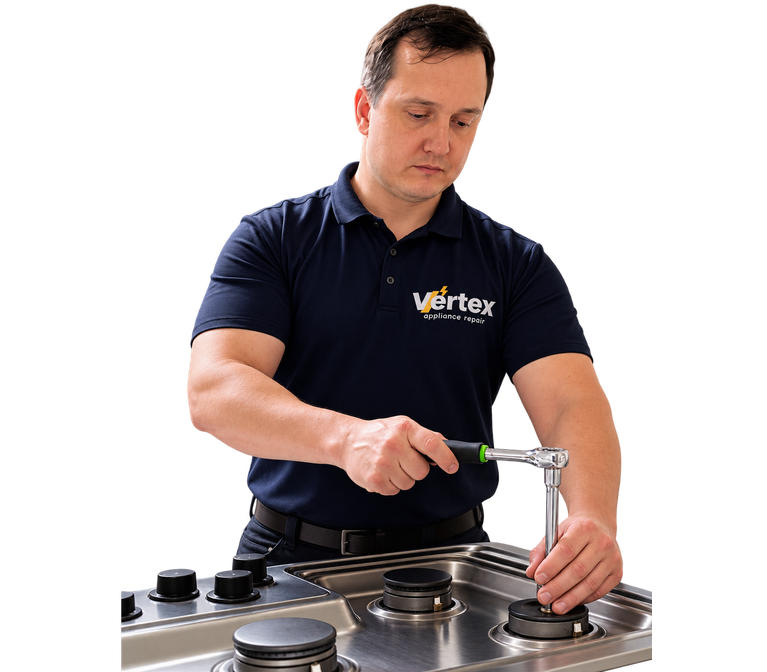
How to diagnose the problem?
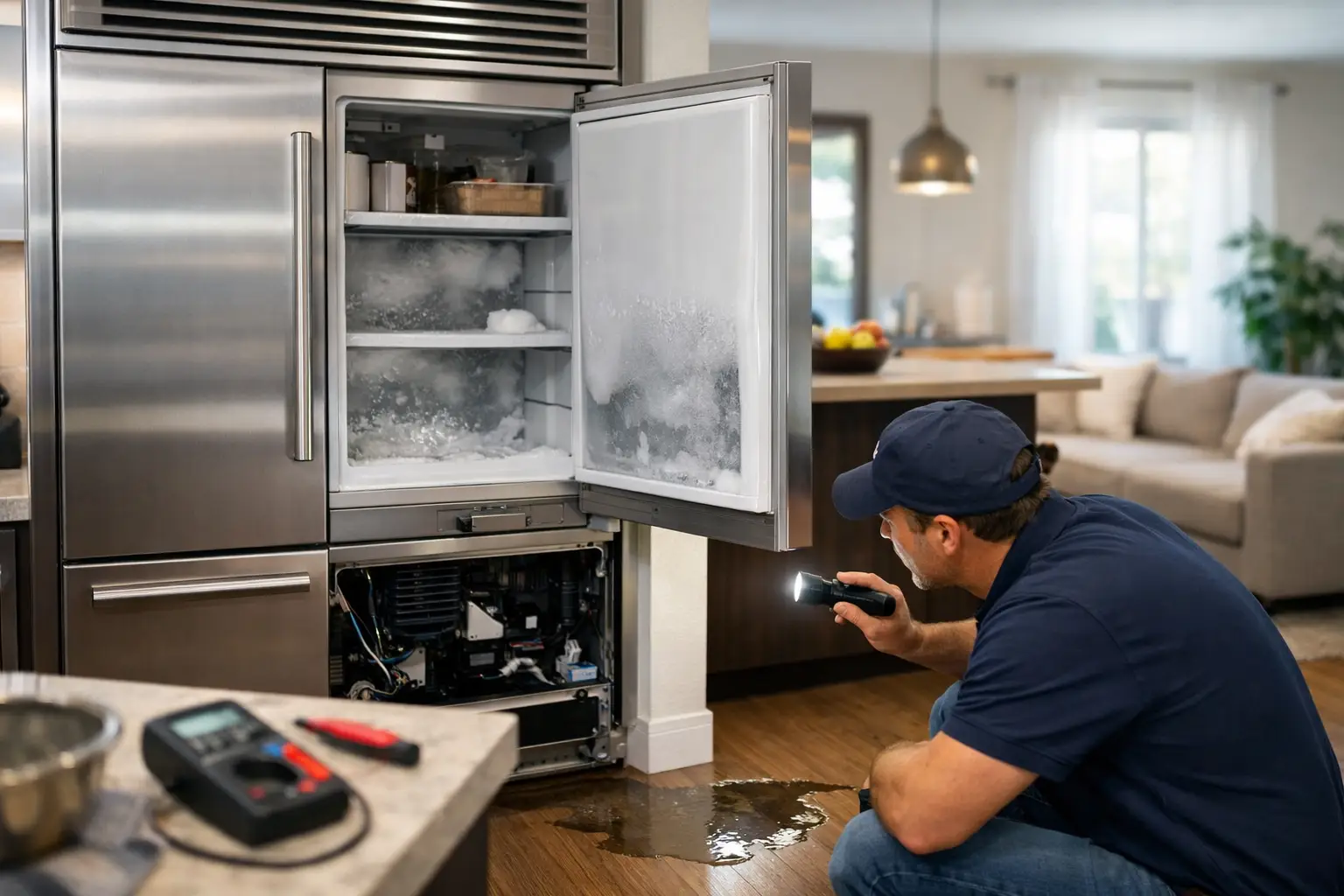
Sub-Zero Error 24 EC — Check the Condenser Before the Defrost Parts
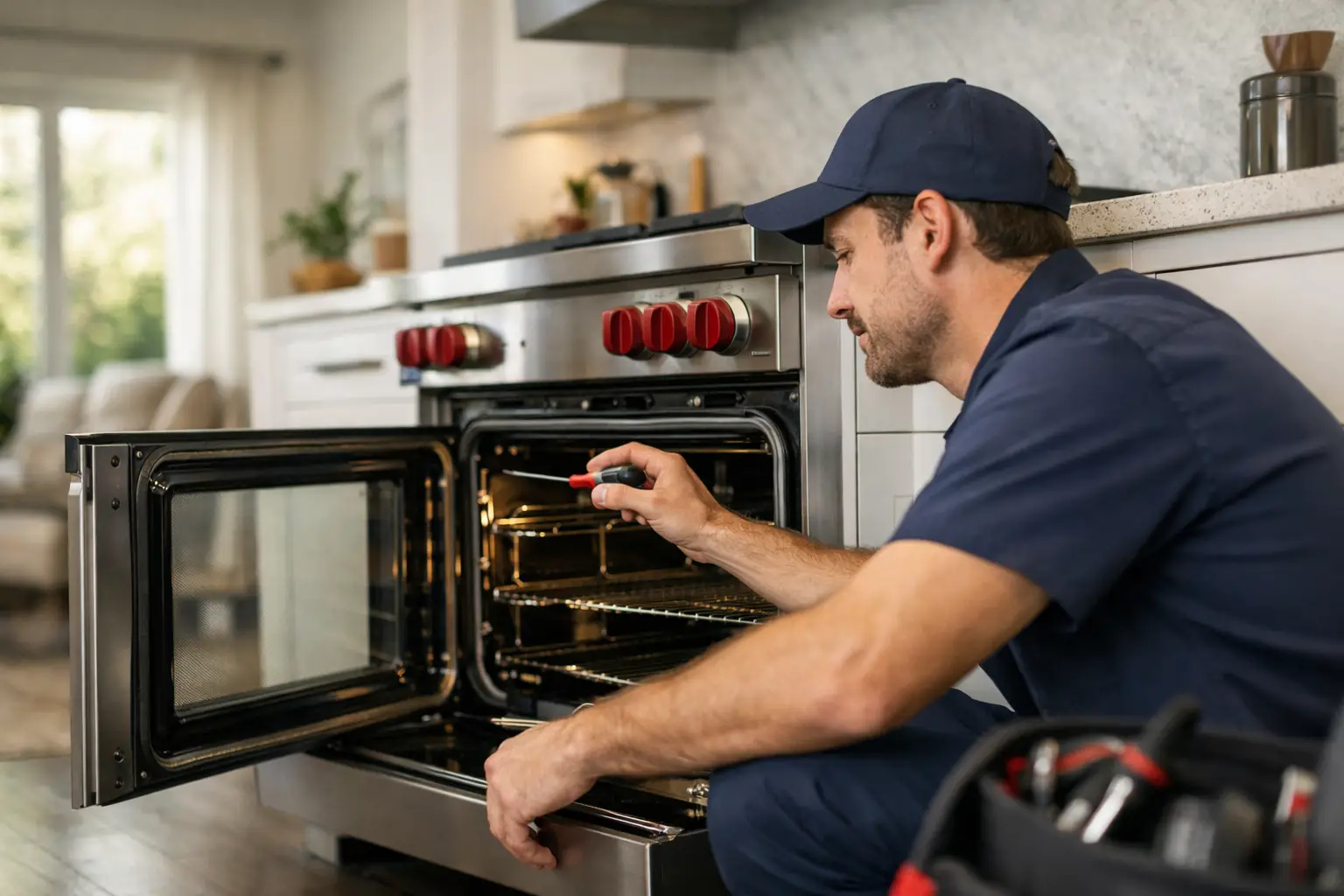
Oven Only Works on High Temperature — It’s the Thermostat
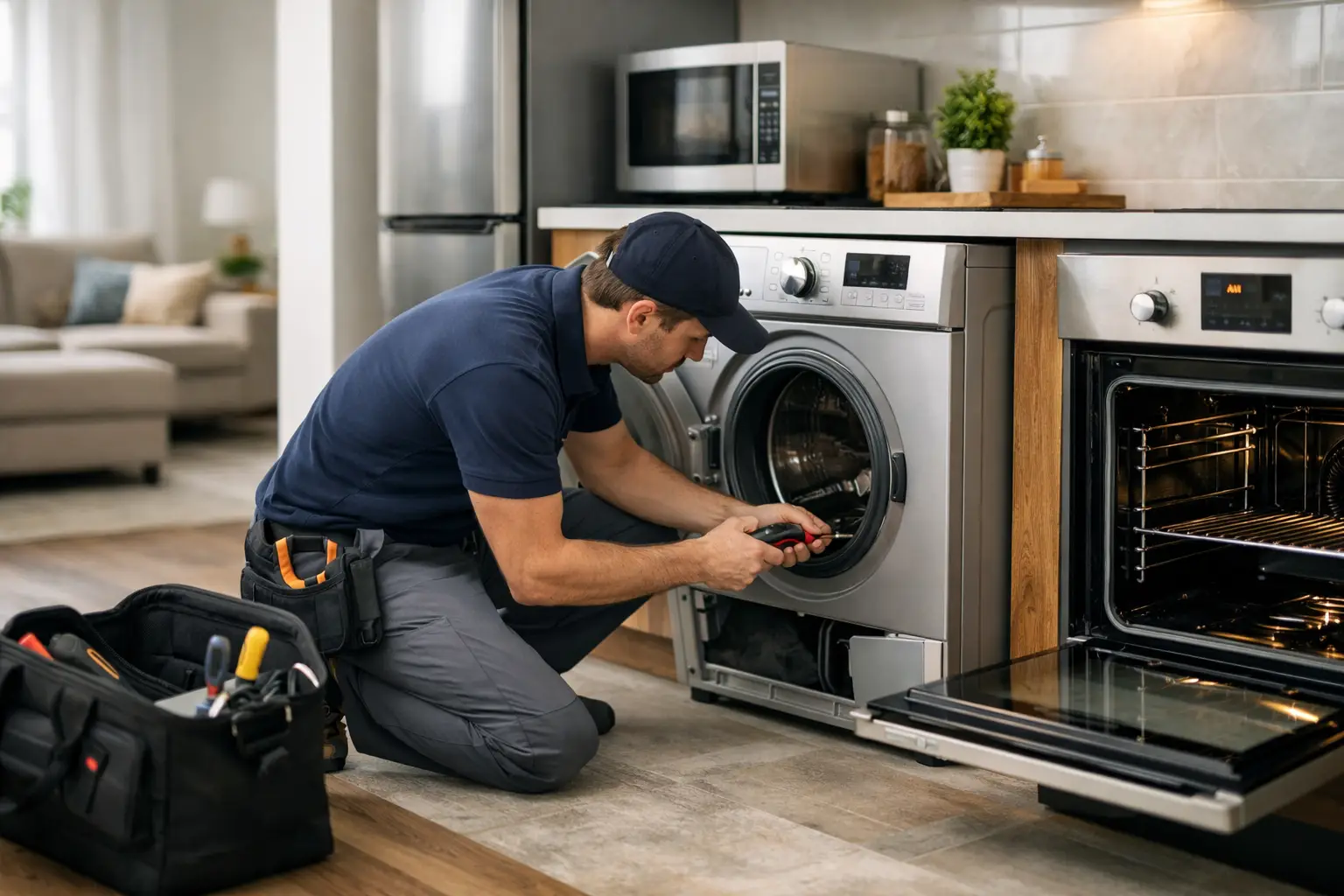
GE Washer Fault Code 3 — Locked Rotor Usually Is Not the Motor
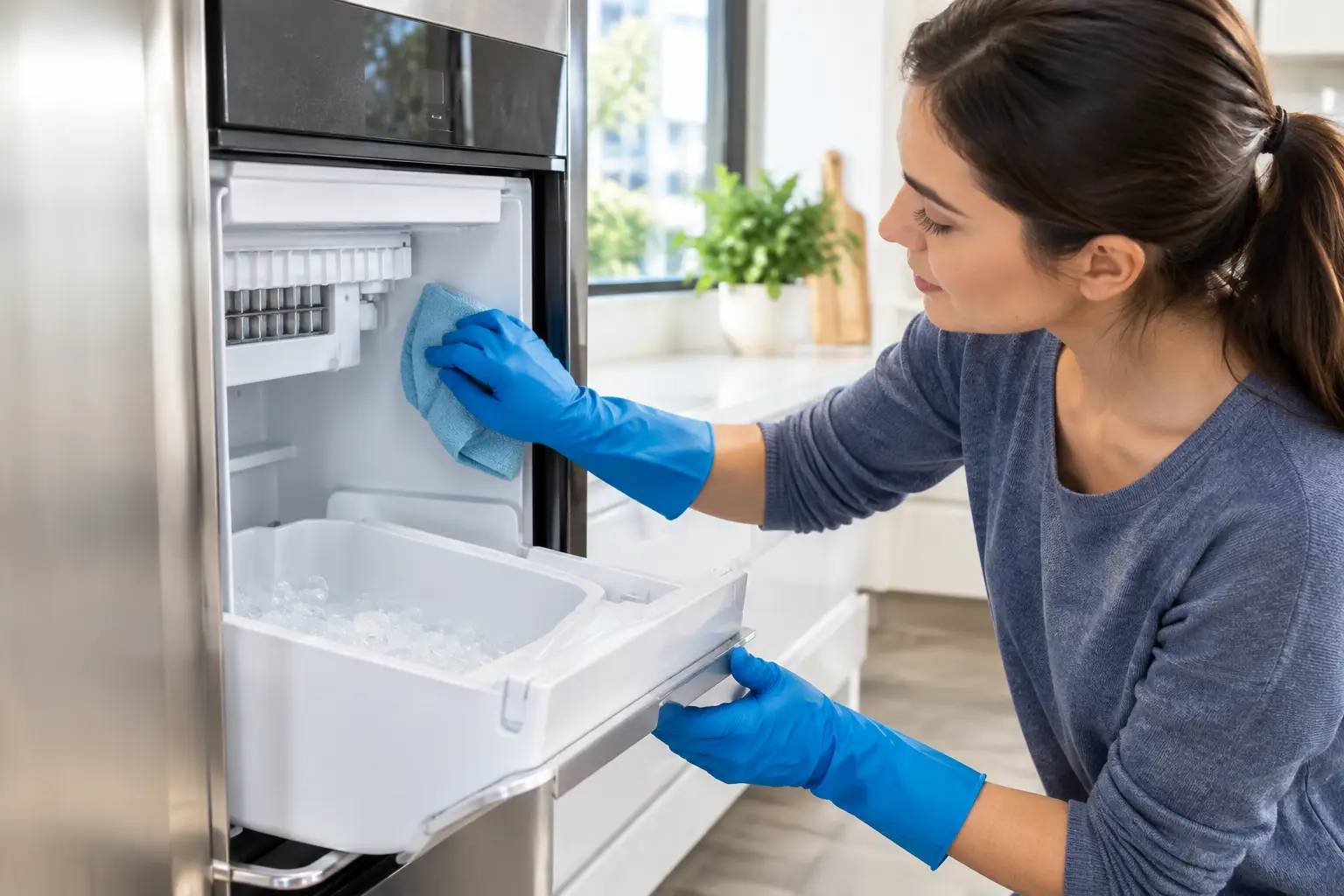
How to Clean Ice Maker Safely and Thoroughly
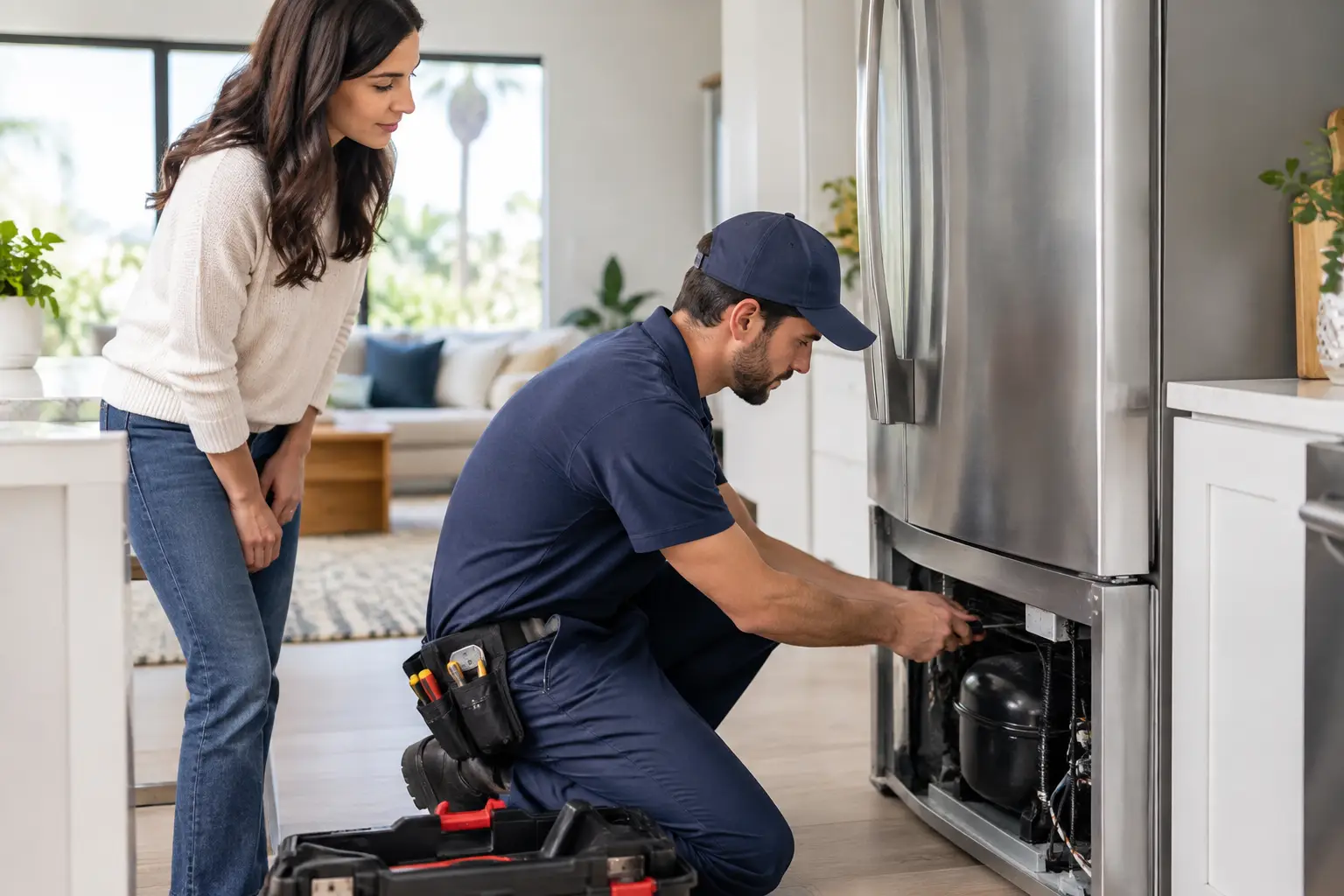
What Appliance Repair Warranties Cover in 90 Days

Top Built-In Appliance Brands for West Hollywood
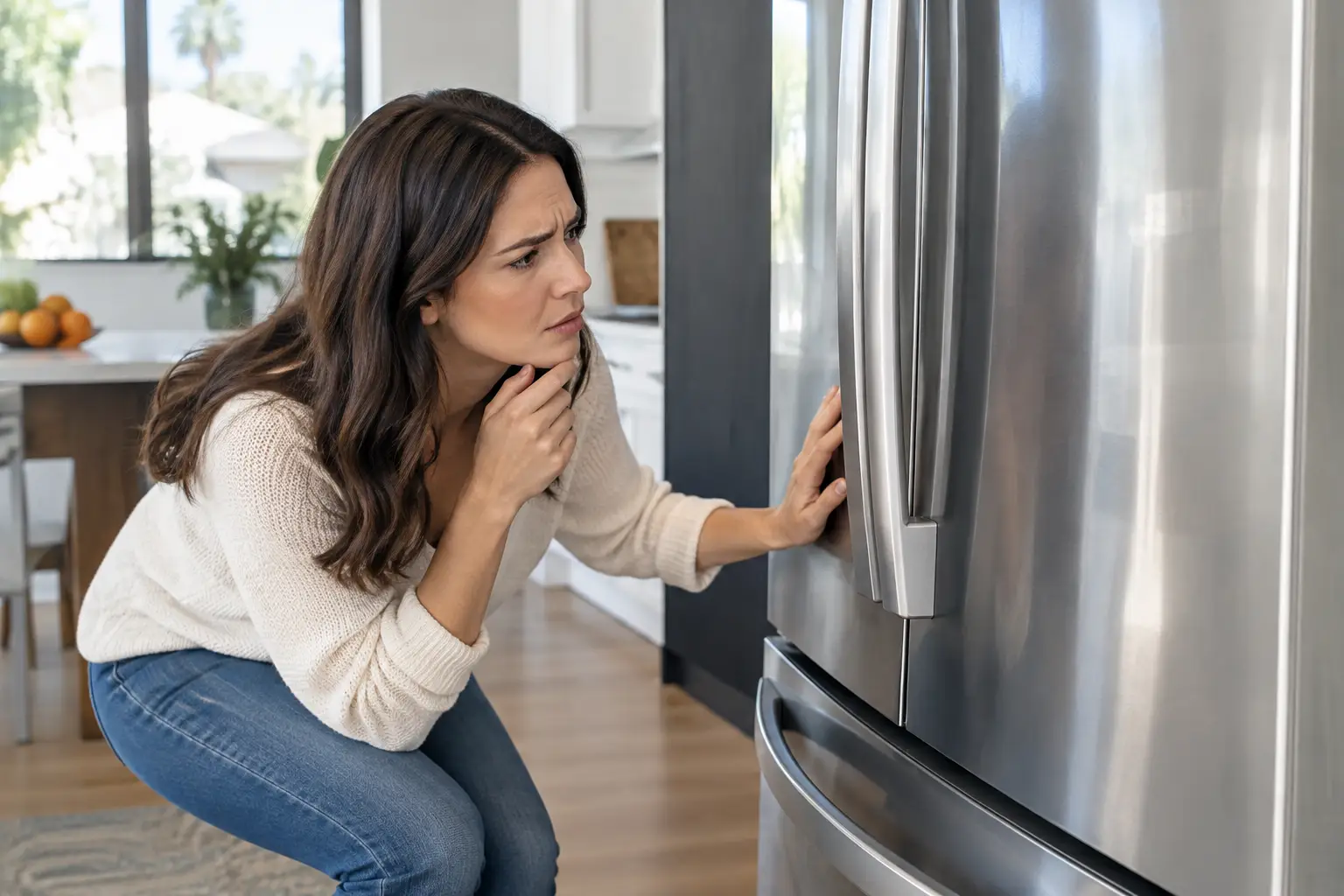
Beverly Hills Refrigerator Repair Warning Signs
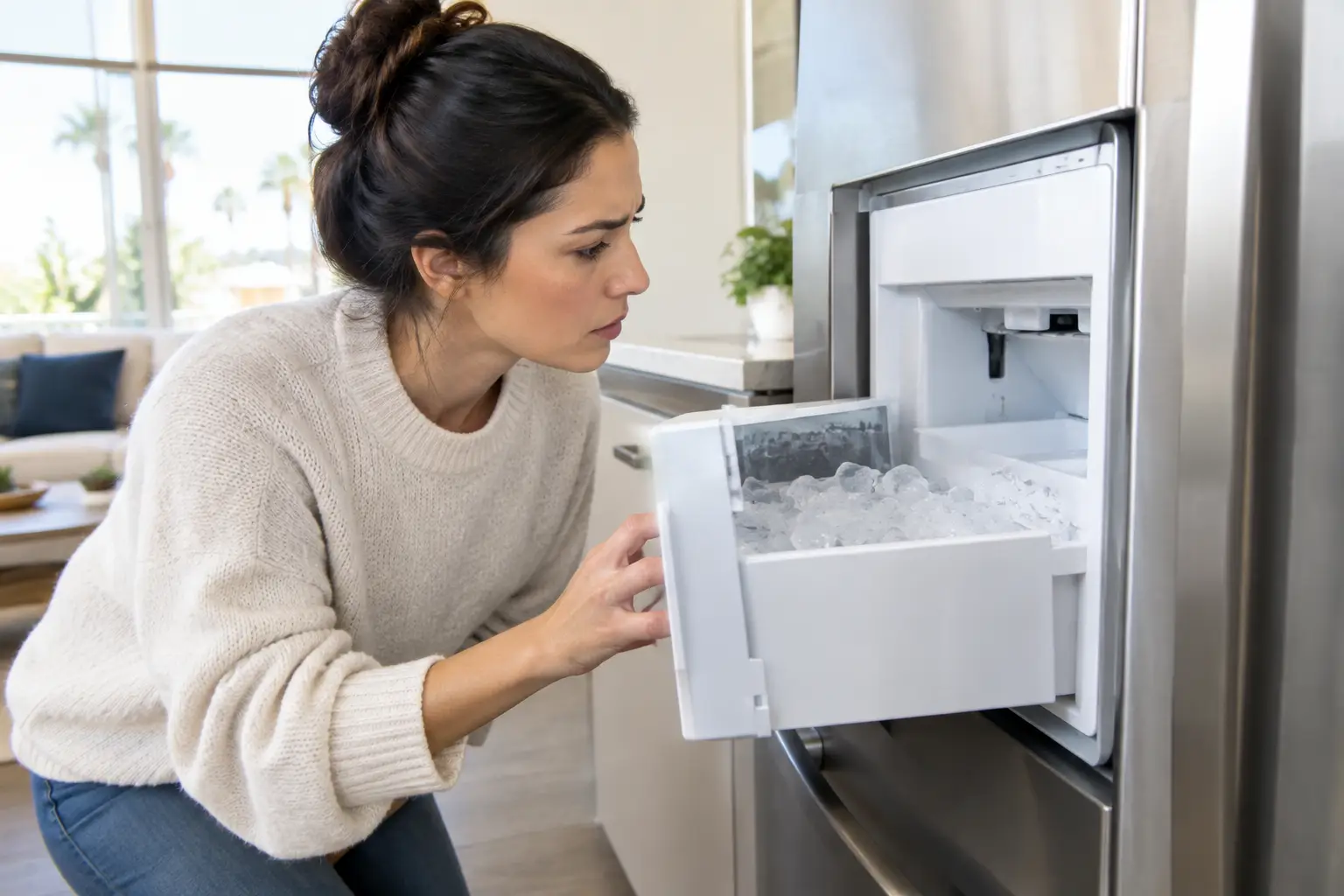
Why Is Ice Maker Jammed? Common Causes and Fixes
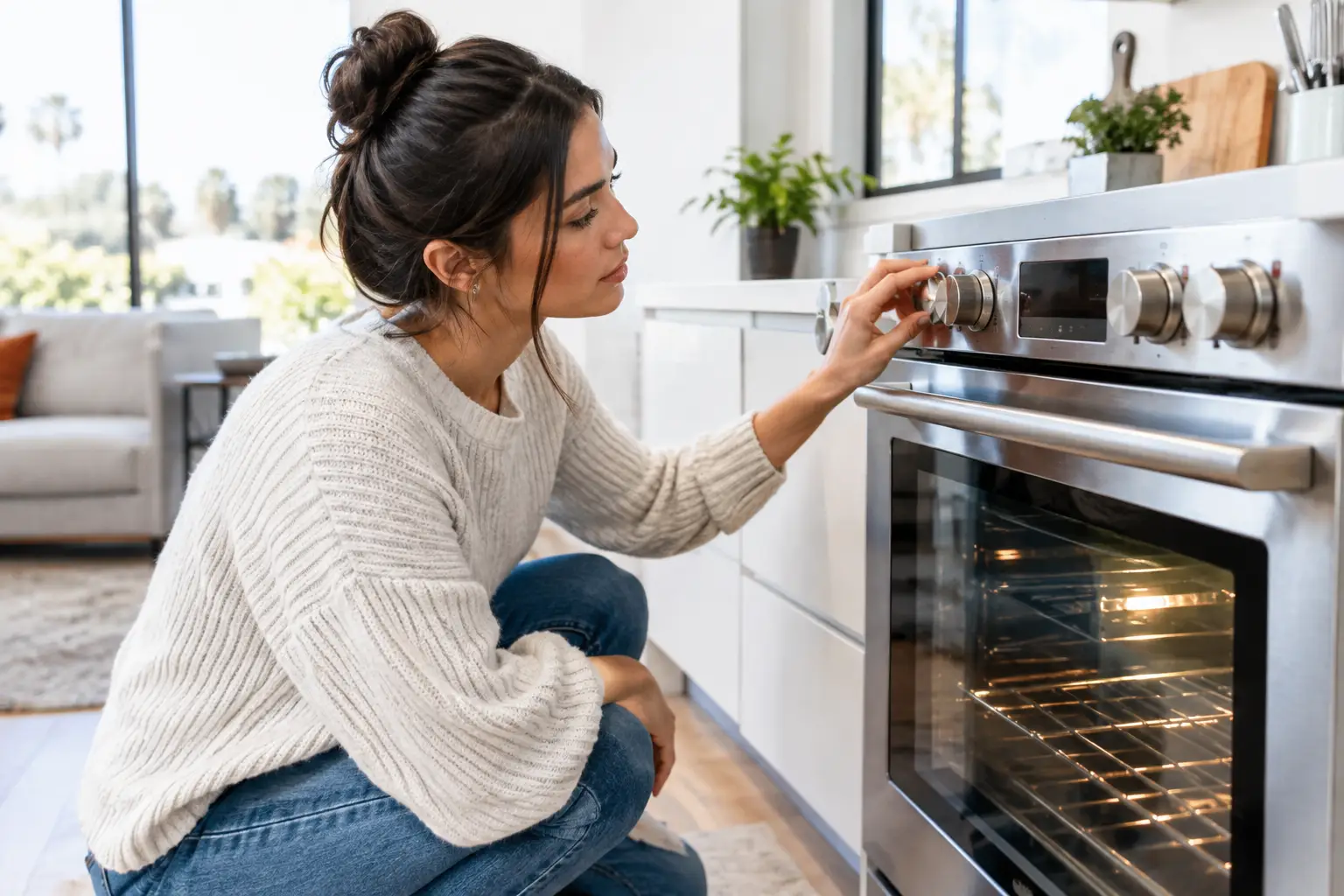
Oven Temperature Troubleshooting at Home