




Thermador Repair Los Angeles: What to Check
Need thermador repair los angeles homeowners can trust? Learn common issues, what to check first, and when to call for in-home service.
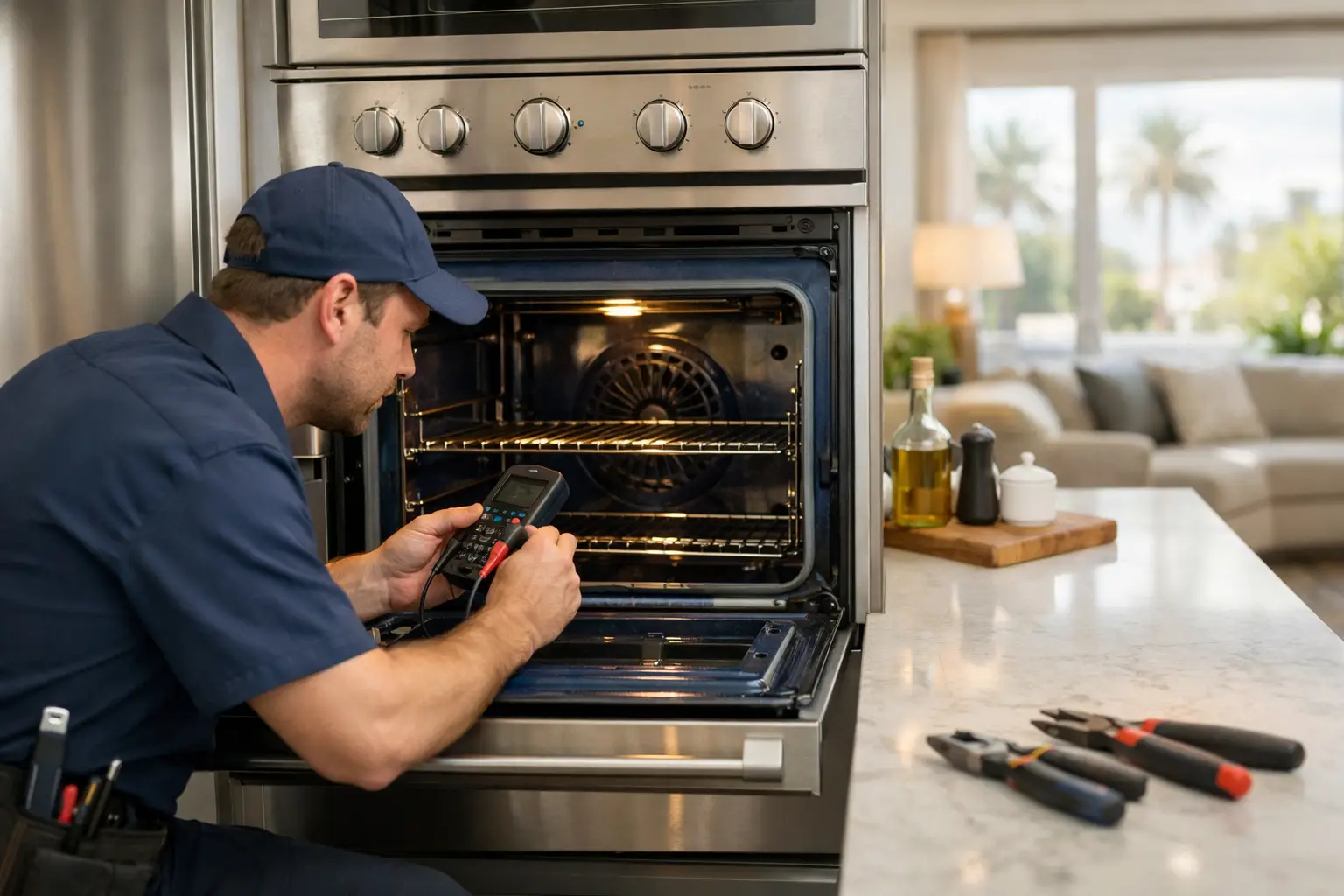
A Thermador problem usually starts small. The oven takes too long to heat. The refrigerator feels a little warm. The dishwasher runs, but dishes still come out dirty. Then one day the appliance stops doing its job, and now your kitchen schedule is off. If you are looking for thermador repair los angeles service, it helps to know what is normal, what is not, and when a home check is enough.
Thermador appliances are built-in systems in many homes, condos, and rental units. They often look clean from the outside, but the trouble can be inside the control board, fan motor, igniter, drain pump, sensor, or sealed cooling parts. Some issues are simple. Some are not. The main goal is to avoid wasting time, avoid making the problem worse, and get the unit working again with the right part.
Thermador repair Los Angeles calls usually start with symptoms
Most homeowners do not care about the part name at first. They care about the symptom. That is the right place to start.
A Thermador refrigerator may run all day but still not keep food cold enough. That can point to a dirty condenser area, bad fan, faulty thermostat, door seal problem, or a sealed system issue. The same warm fridge can come from very different causes, so guessing usually costs more time.
A Thermador oven may show power but not heat well. Sometimes the bake element or igniter is weak. Sometimes the temperature sensor reads wrong. In some cases, the control board sends bad signals. If the oven heats unevenly, the problem can also be airflow or a failing convection fan.
A Thermador dishwasher may fill and wash but leave water at the bottom. That often means a drain restriction, clogged filter, weak drain pump, or a blockage where the hose connects. If it does not start at all, the issue may be the door latch, user interface, or power supply.
Gas cooktops and ranges have their own pattern. Clicking that does not stop, weak flame, burner that will not ignite, or gas smell are all signs to stop and check the unit carefully. A wet igniter area can cause constant clicking. A dirty burner cap can stop proper ignition. A gas smell is different. That is not a wait-and-see issue.
What you can safely check before booking service
A few checks are worth doing before you call. They are simple and safe. They can save you from paying for a repair when the fix is basic.
First, check power. Built-in appliances can look dead when the breaker has tripped or the outlet has lost power. For a dishwasher or refrigerator, also check whether the plug is loose if the unit is accessible.
Next, check settings. It sounds obvious, but control lock, Sabbath mode, delay start, and wrong temperature settings cause a lot of confusion. Thermador units have more features than basic appliances, and one setting change can make the appliance act strange.
Then check airflow and cleaning points. For refrigerators, make sure food is not blocking vents inside. For dishwashers, clean the filter if your model has one. For ovens and cooktops, make sure spills and food debris are not sitting around sensors, igniters, or burner parts.
Look at the door seals too. A refrigerator door that does not seal well can lose cold air all day. An oven door with damaged gasket material can lose heat and cook unevenly.
If the problem stays after these checks, the next step is usually diagnosis at the home. That is where the real cause gets narrowed down.
When Thermador repair Los Angeles service needs a technician
Built-in Thermador appliances are not good candidates for trial-and-error repair. They are expensive units, often installed tightly, and many faults need testing with tools.
If the refrigerator is warm for more than a short period, call sooner rather than later. Food loss becomes the next problem. If you hear clicking, buzzing, or fan noise that sounds wrong, that also matters. Those sounds help point to the bad part.
If an oven trips the breaker, smells like burning wire, or does not hold temperature, it should be checked. A weak igniter on a gas oven, for example, may still glow but fail to open the gas valve correctly. That is not something most homeowners can confirm without proper testing.
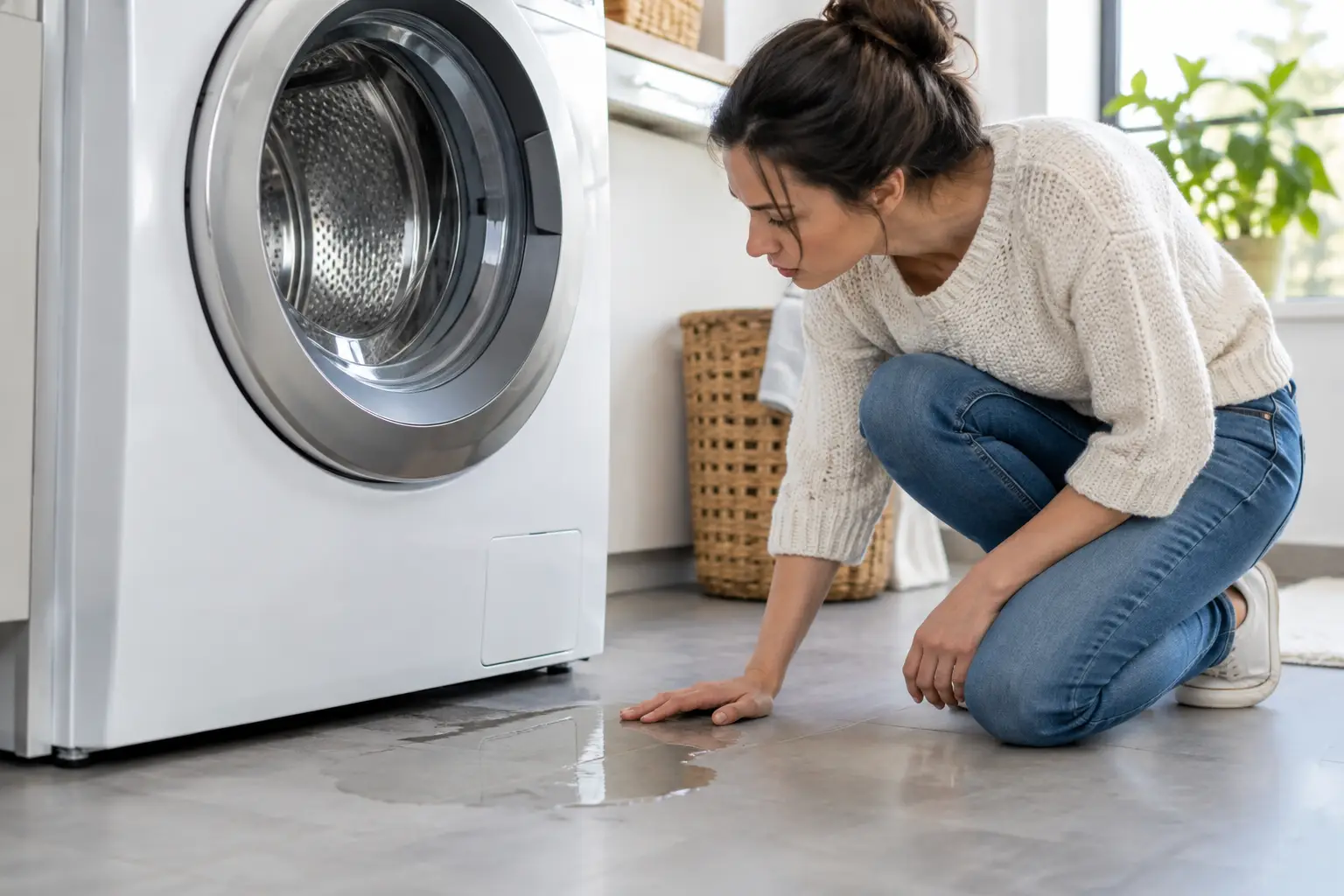
For dishwashers, call if there is leaking under the unit, repeated standing water, or no response from the controls. Water damage around built-in units can spread to cabinets and floors.
For cooktops and ranges, call if a burner keeps sparking, flames are uneven after cleaning, or any gas odor is present. With gas appliances, caution comes first.
Why Thermador problems can be tricky
Thermador appliances often use brand-specific parts and built-in designs. That changes the repair process.
A simple example is an oven that says it reached temperature but still undercooks food. That can be the sensor. It can also be the control board reading that sensor wrong. Replacing one part without testing the system can miss the real issue.
Refrigerators are another example. A warm fresh food section does not always mean the compressor is bad. It could be an evaporator fan, a defrost problem, airflow blockage, thermistor issue, or control failure. Sealed system repairs are more serious and cost more, but many cooling complaints are caused by smaller parts.
This is why good diagnosis matters more than fast guessing. The right repair starts with the right cause.
What to expect during in-home Thermador service
The first step is inspection and testing. The technician checks the symptom, confirms power, reads error behavior if present, and tests likely failure points. On some calls, the issue is clear in the first few minutes. On others, it takes more time because one failed part can affect another.
If the part is available and the repair makes sense, the work may be completed on the visit. If a special part is needed, the next step is part ordering and return service.
For many customers in West Hollywood and nearby neighborhoods, the main concern is not just the repair itself. It is timing, access, and clear pricing. If you are a tenant, condo owner, landlord, or property manager, you need to know what failed, what it costs to fix, and how soon the appliance can be back in use.
That is why service terms matter. Vertex Appliance Repair charges a $69 diagnostic fee, and that fee is waived if you approve the repair. Completed repairs and installed parts include a 90-day warranty. Those details help people make a decision without guessing what happens next.
Repair or replace depends on the appliance and the failure
Not every Thermador repair is the right repair. Sometimes replacement is the better move.
If the unit has a single failed part and the rest of the appliance is in good shape, repair is usually the practical choice. This is common with igniters, pumps, fans, sensors, latches, and some control issues.
If the appliance has repeated failures, major sealed system trouble, heavy internal damage, or part availability problems, the answer may change. Built-in replacement can be expensive and slow, so many owners still choose repair first. But it depends on the exact fault and the condition of the unit.
A good technician should tell you when repair makes sense and when it does not. Not every estimate should end in a repair approval.
Choosing a local service for Thermador repair
For a brand like Thermador, local service matters because access and follow-up matter. Built-in kitchen appliances often need careful handling, model-based parts research, and a second visit if a special part is needed.
You want a company that works in homes like yours and understands tight install spaces, condo scheduling, tenant coordination, and kitchen downtime. That matters just as much as the part itself.
If you are in West Hollywood, Beverly Hills, Hollywood, Fairfax District, Melrose Area, Beverly Grove, Miracle Mile, Hancock Park, Mid-Wilshire, or Hollywood Hills West, local scheduling can make the whole process easier. It is simpler to get a fast visit, clearer timing, and follow-up if needed.
When you call, have the model number ready if possible. Describe the symptom, not just the part you think is bad. Saying “the freezer is cold but the fresh food side is warm” helps more than saying “it needs Freon.” Saying “the burner clicks after I turn it on” helps more than saying “the switch is bad.” Good symptom details lead to better diagnosis.
A broken Thermador appliance does not always mean a major repair, but it does need the right check. The sooner the problem is identified, the better chance you have to avoid food loss, water damage, or a bigger failure later.