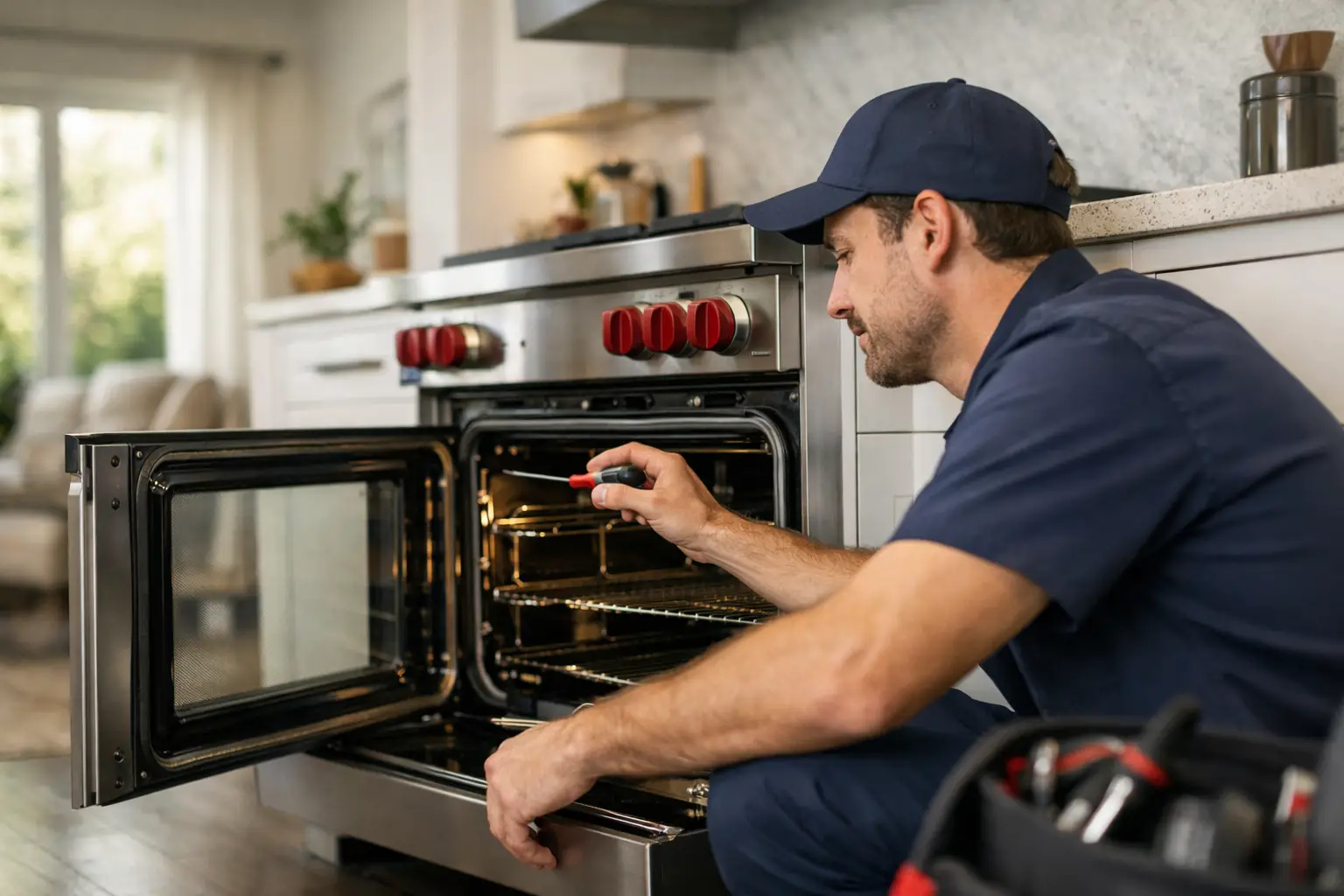





Laundry Appliance Repair for Apartments
Laundry appliance repair for apartments means faster fixes, less damage, and less downtime for tenants, landlords, and busy West Hollywood homes.
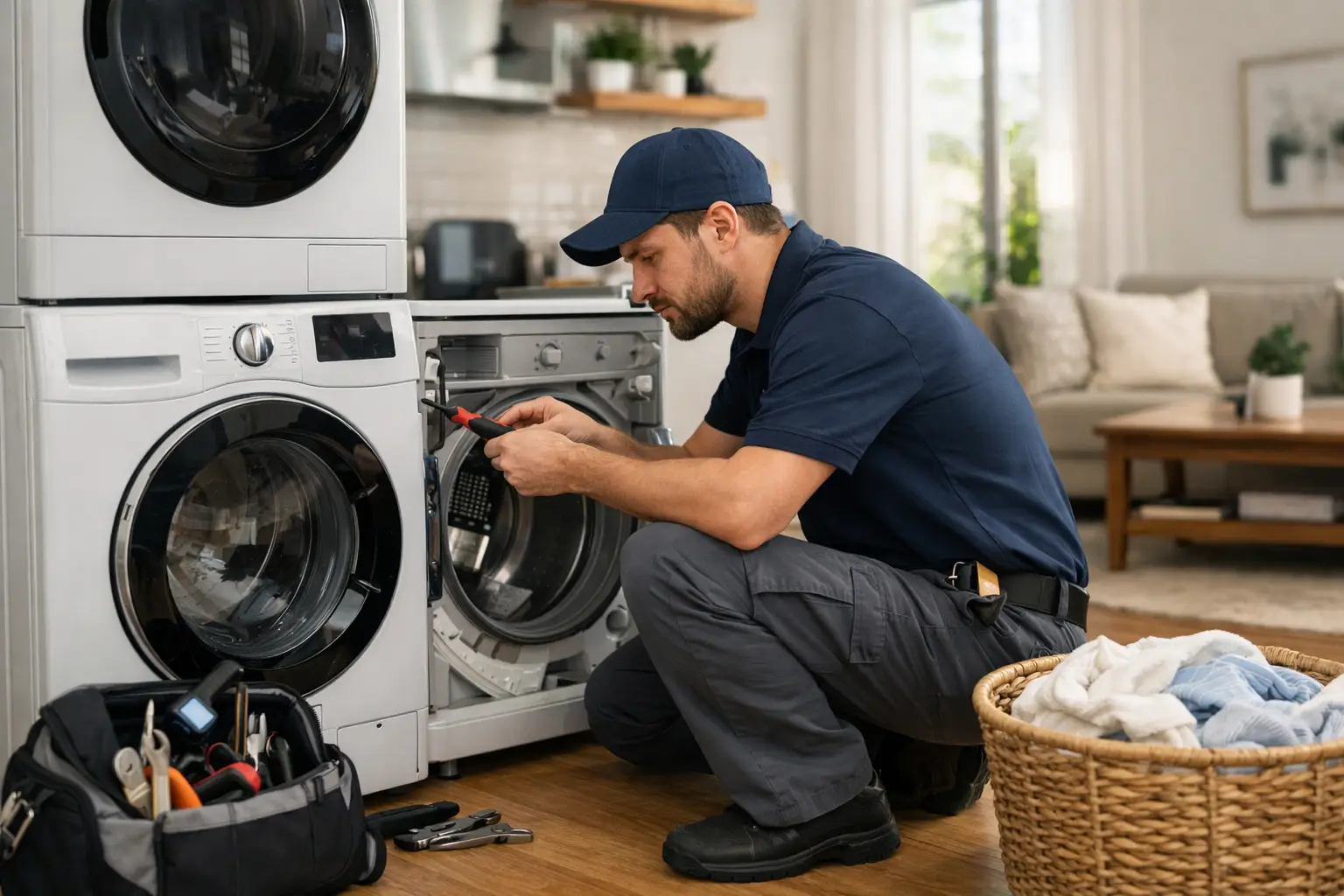
A washer that will not drain or a dryer that will not heat turns into a building problem fast. In apartments, laundry appliance repair for apartments is not just about one machine. It can affect neighbors, flooring, schedules, and lease issues if water leaks or venting problems get ignored.
In West Hollywood, apartment laundry setups are often tight. Machines may be stacked in a closet, pushed into a kitchen corner, or installed in a small utility space with poor airflow. That changes how repairs are handled. The problem may be simple, but getting to the unit, checking the hookups, and making a safe repair takes care and planning.
Why laundry appliance repair for apartments is different
Apartment washer and dryer repair is not the same as repair in a large single-family home. Access is the first issue. Many units are built into narrow spaces. A stacked laundry center may need to be partly moved just to reach a drain hose, belt, or power connection. If the machine is upstairs, there is also the risk of water damage to the unit below.
Noise is another common problem. In an apartment, a loud spin cycle or dryer thumping is not only annoying. It can point to a worn part, an unbalanced machine, or weak floor support. A small issue can become a bigger one if the machine keeps running that way.
There is also the question of who owns the appliance. Sometimes the tenant owns it. Sometimes the landlord does. In condos and managed buildings, the rules may be different. Before repair starts, it helps to know who approves the work and who needs updates.
Common washer problems in apartments
A washer that will not start is often blamed on the machine, but not always. In apartments, a tripped breaker, loose plug, shut water valve, or lid switch issue is common. Front-load washers may also stop because the door lock is failing. If the control does not sense a locked door, the cycle will not begin.
Drain problems are one of the biggest complaints. You may see standing water in the drum, slow draining, or an error code. The cause might be a clogged pump filter, a bent drain hose, or something stuck in the pump. Coins, hair pins, and small socks are common. If the washer drains into a standpipe, that drain can also back up.
Leaks need quick attention. A bad door boot, cracked hose, loose clamp, or too much detergent can all cause water on the floor. In an apartment, even a small leak matters. Water can travel under flooring and into walls. If you see repeat leaking, stop using the washer until it is checked.
Shaking during spin is another problem that gets ignored too long. A washer may just need leveling, but it may also have worn shocks, bad suspension rods, or a damaged tub support part. If the machine bangs hard during spin, that is not normal.
Common dryer problems in apartment units
Dryers in apartments usually fail in a few familiar ways. They may run but not heat. They may heat but take too long to dry clothes. Or they may stop mid-cycle.
No heat can come from a bad heating element, thermal fuse, igniter, gas valve parts, or a power issue. On electric dryers, one side of the breaker can trip and leave the dryer running without proper heat. That confuses a lot of people because the drum still turns.
Long dry times often point to airflow problems. In apartment buildings, dryer vents may be longer, shared in design, or harder to access. Lint buildup inside the vent line can reduce airflow and overheat the dryer. That can damage parts and create a fire risk. If clothes stay damp after a normal cycle, poor venting is high on the list.
A dryer that squeals, thumps, or scrapes usually has a worn roller, pulley, belt, or support part. These sounds rarely fix themselves. The longer it runs, the more wear you get.
What you can check before calling for service
There are a few simple checks that help, and they do not involve taking the machine apart. Make sure the unit has power. Check the breaker. Make sure the water valves are open for the washer. Look for a kinked drain hose behind the machine if you can see it safely.
For a dryer, clean the lint screen fully. If the dryer is electric, check whether the breaker has tripped partly or fully. If the machine is stacked or built in tightly, do not force it out yourself. That is where damage to floors, walls, hoses, and vent lines happens.
If there is water on the floor, turn off the washer water supply if you can reach the valves. If you smell something burning, stop using the dryer right away. If the machine keeps tripping the breaker, stop using it until it is inspected.
When a repair makes sense and when it may not
Not every laundry repair is the same. A bad pump, belt, igniter, door lock, or roller is often worth fixing if the rest of the machine is in decent shape. These are common repairs. They can usually return the unit to normal use without replacing the whole appliance.
It depends when the machine has multiple problems at once. If the washer has a failing bearing and control issue, or the dryer has heat failure plus major drum wear, the cost can climb. In apartments, replacement also has extra costs. The new unit must fit the space, clear the doors, match the hookups, and sometimes meet building rules. So replacement is not always the easy answer.
For landlords and property managers, speed matters just as much as price. A working laundry unit keeps the unit usable and keeps tenant complaints down. For tenants, the main concern is usually getting the machine back with as little disruption as possible.
Access, approval, and timing in apartment repairs
Good apartment repair work starts before the tools come out. Someone may need to confirm parking, gate access, elevator use, or a service window. In some buildings, maintenance staff want notice before a stacked unit is moved or a water line is shut off.
Approval also matters. If the appliance belongs to the property owner, the tenant should not be stuck in the middle guessing what is allowed. Clear approval helps avoid delays. It also helps if the brand and model number are ready before the visit. That can speed up diagnosis and parts lookup.
This is one reason local service matters in places like West Hollywood, Beverly Hills, Hollywood, and nearby neighborhoods with older buildings and tighter layouts. The repair itself may be standard. The apartment conditions are often not.
What to expect from a service visit
A proper visit should start with diagnosis, not guessing. The machine is tested. The symptoms are checked. Power, water, drain, venting, and basic mechanical parts are inspected based on the complaint. If a part is needed, you should know what failed and why the repair is recommended.
Vertex Appliance Repair charges a $69 diagnostic fee, and that fee is waived if the repair is approved. Completed repairs and installed parts include a 90-day warranty. That matters with apartment laundry units because you want the machine back in service without repeat calls for the same issue.
For property managers and small multi-unit owners, clear communication is just as important as the repair. You need to know whether the problem is the machine itself, the drain setup, the vent line, or the installation. Those are not the same thing, and they do not always fall under the same responsibility.
A few apartment repair mistakes to avoid
The biggest mistake is waiting too long on leaks, burning smells, and loud spin problems. Apartment machines do not have much room for error. Water damage spreads. Heat problems get worse. A washer that shakes hard can damage itself and the area around it.
Another mistake is trying to move a stacked or built-in unit without the right help. People tear vent hoses, crack drain pans, loosen water lines, and scratch floors that way. If access is tight, the repair should be planned around the space.
It is also a mistake to assume every issue is the appliance. Sometimes the washer is fine, but the standpipe is clogged. Sometimes the dryer part failed because the vent is restricted. A good diagnosis separates the machine problem from the setup problem.
If your apartment washer or dryer is acting up, early service usually saves trouble. A small repair is easier than dealing with water damage, a dead machine, or days without laundry.
Related articles
Built In Refrigerator Versus Freestanding: Which Fits?
Sub-Zero Error 24 EC — Check the Condenser Before the Defrost Parts