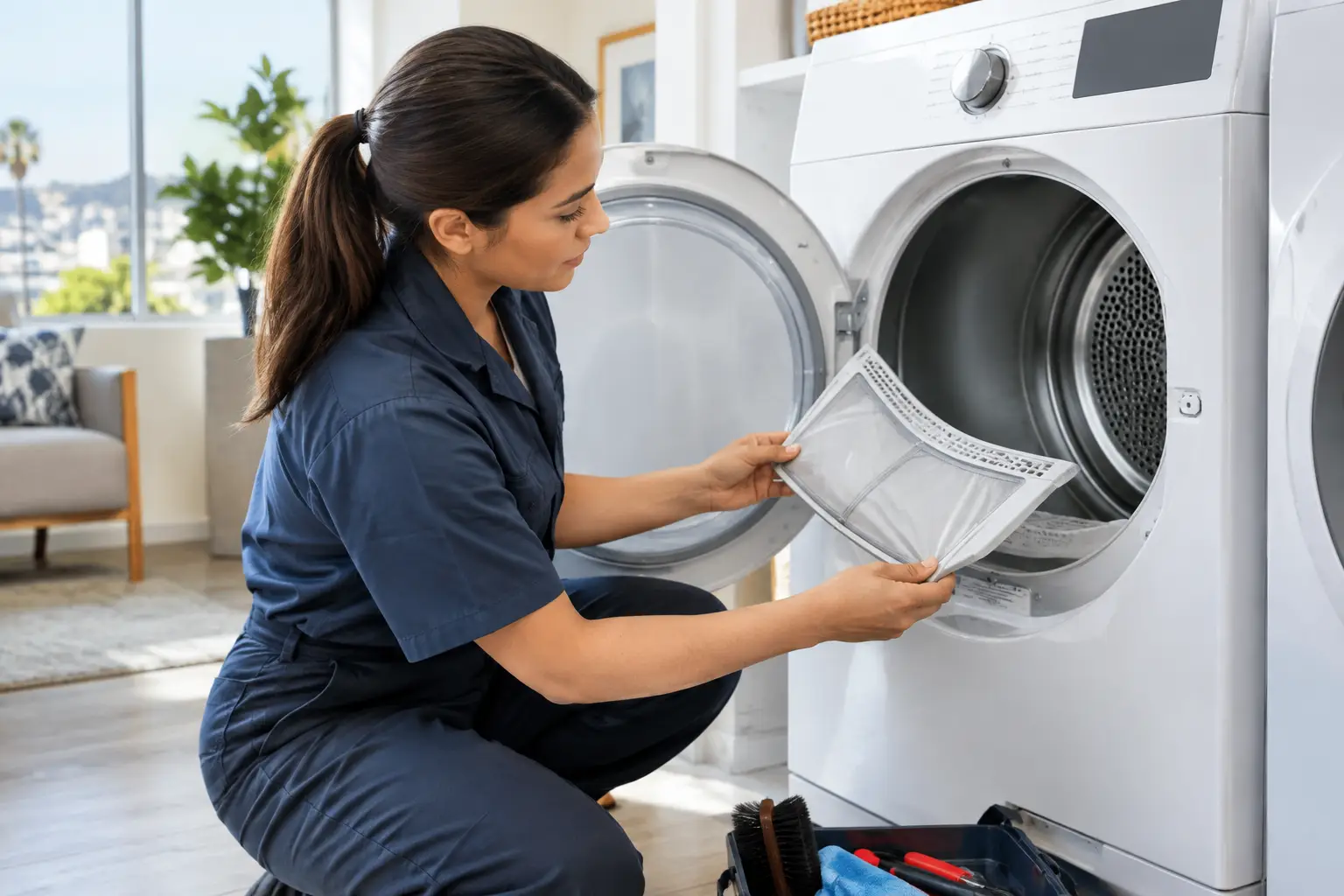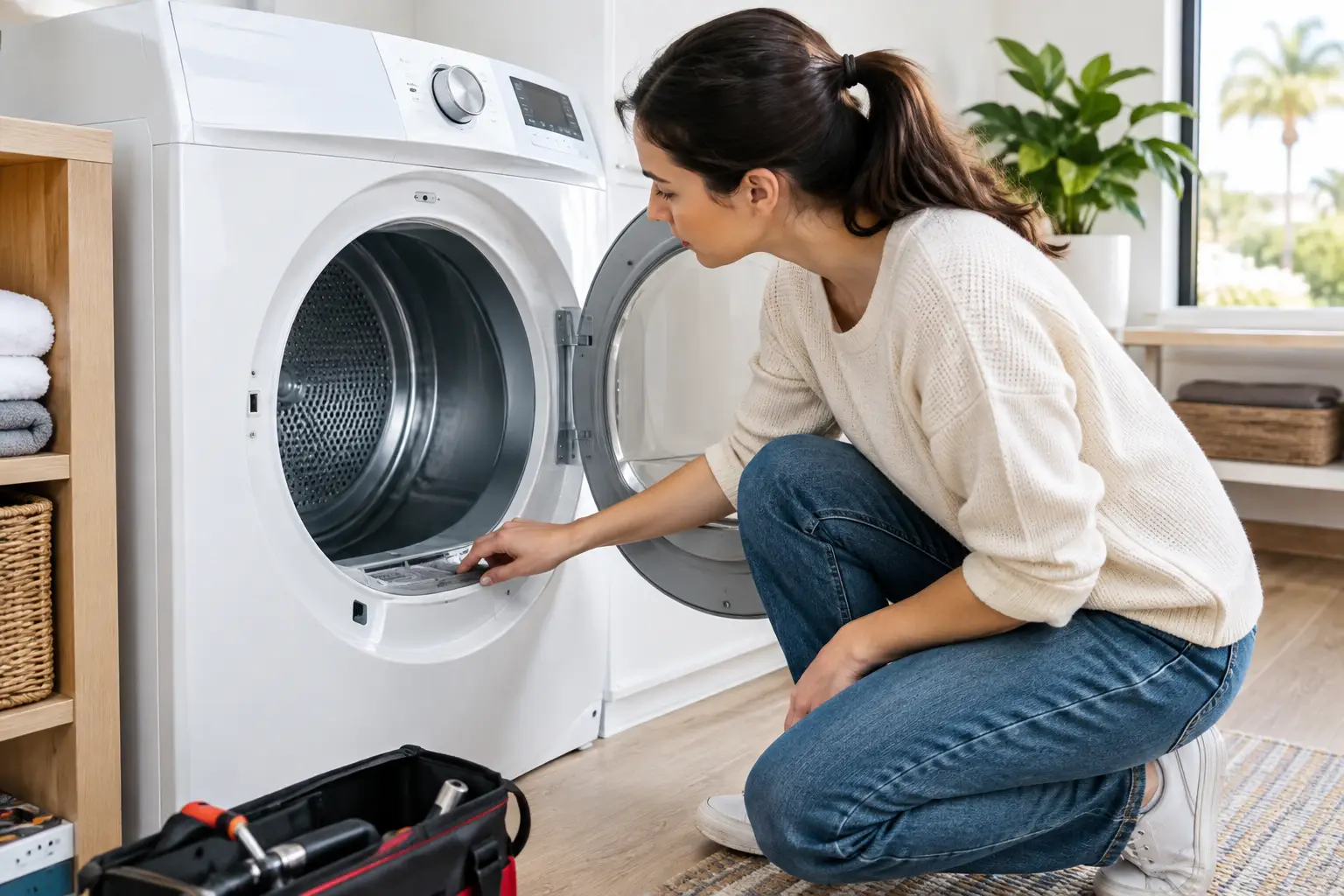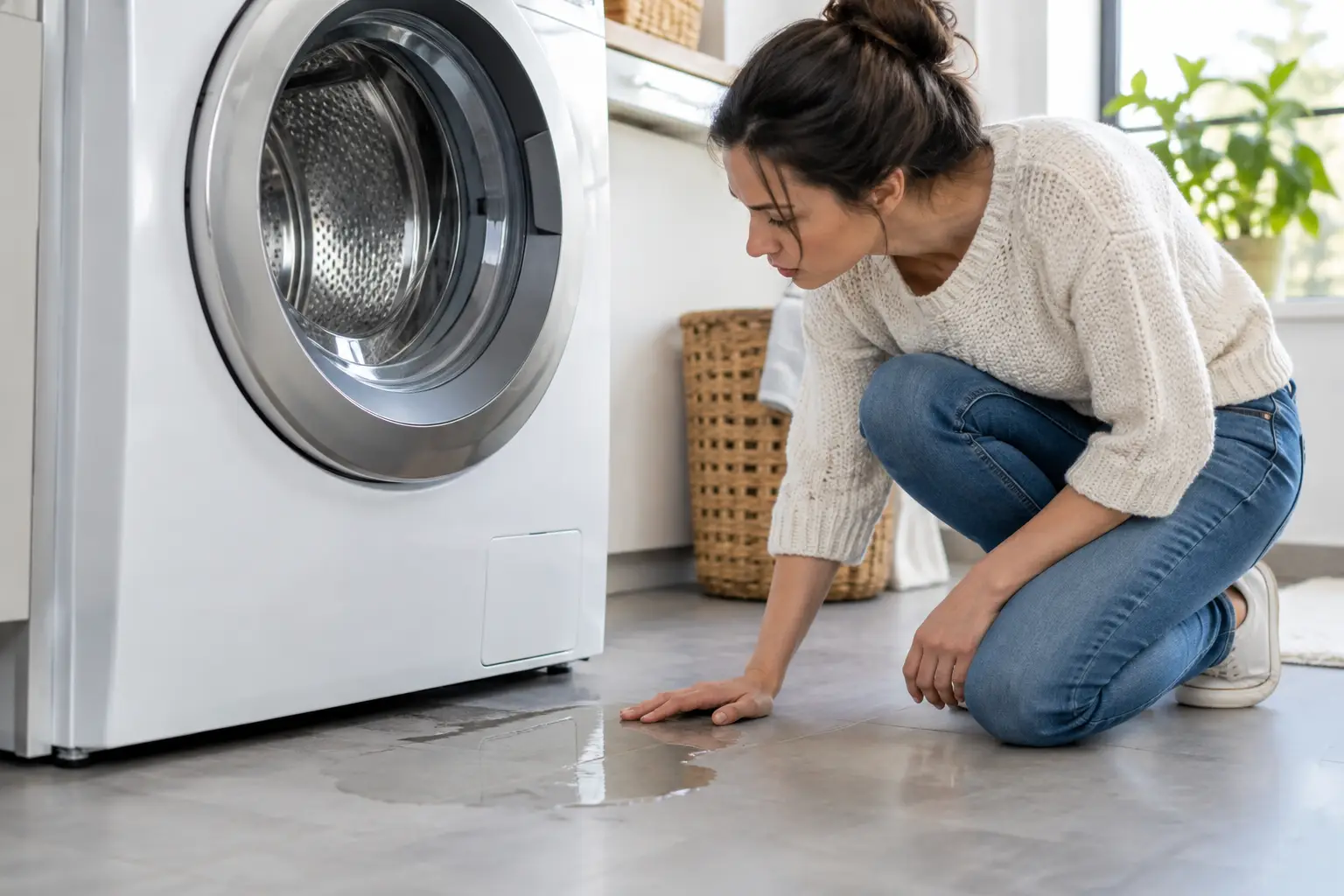





Ice Maker Repair Beverly Hills: What to Check
Need ice maker repair Beverly Hills? Learn common causes, simple checks, and when to call for in-home service with clear pricing and warranty.
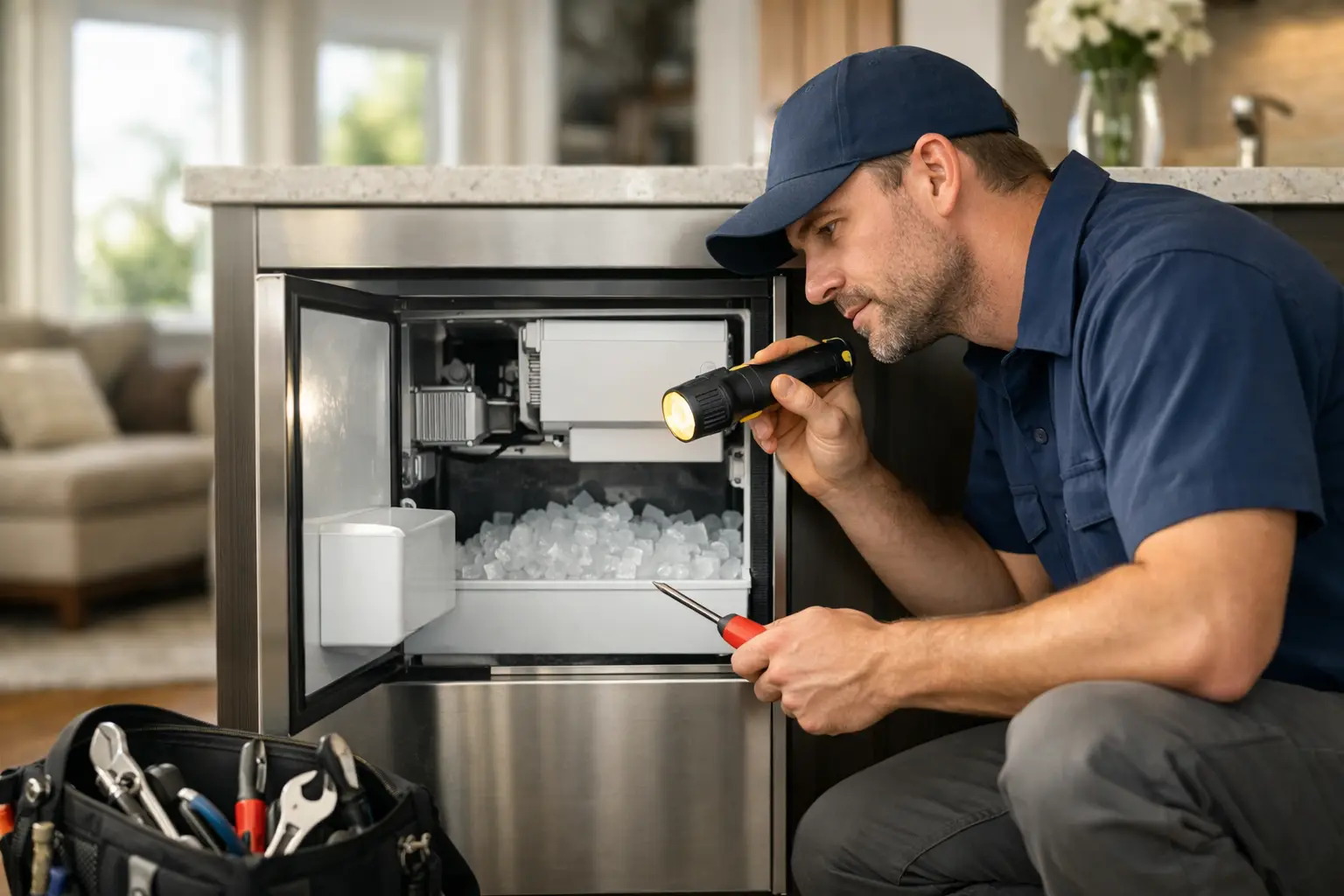
A stopped ice maker usually gets noticed at the worst time. You open the freezer, reach for ice, and the bin is empty. If you need ice maker repair Beverly Hills homeowners can rely on, it helps to know what the problem might be before you book service.
Most ice maker problems are not random. The unit is usually telling you something. It may be a water supply issue, a freezer temperature issue, or a failed part inside the ice maker itself. Some causes are simple. Others need tools and testing.
Common ice maker problems in Beverly Hills homes
The most common complaint is simple. The ice maker is on, but it makes no ice. In many homes, the freezer still feels cold, so people assume the ice maker itself has failed. Sometimes that is true. But often the real issue starts with low water flow, a clogged fill tube, or a freezer that is not cold enough to start the ice cycle.
Another common problem is slow ice production. The machine still works, but the bin never fills. This can happen when the water valve is weak, the filter is restricted, or the freezer is running a few degrees too warm. Ice makers need the right conditions. A small change in temperature or water pressure can slow everything down.
Some units make ice, but the cubes are too small, hollow, or stuck together. That usually points to a fill problem. Not enough water enters the mold, so the cubes form badly. If too much water enters, the cubes can freeze in clumps.
Then there is the noisy ice maker. Clicking, buzzing, or repeated cycling without making ice often means the unit is trying to run but cannot finish the process. A bad inlet valve, a jammed motor, or an ice blockage can all cause that.
What you can check before calling for ice maker repair in Beverly Hills
Start with the simple things. Make sure the ice maker is turned on. Some have a wire shutoff arm. Others use a switch or button. It sounds obvious, but this gets missed more often than people think, especially after cleaning or moving food around in the freezer.
Next, check the freezer temperature. If the freezer is too warm, the ice maker may stop working even if frozen food still looks fine. In many cases, the freezer needs to be around 0 degrees for normal ice production. If you notice soft ice cream or frost buildup, that is a clue that the freezer has another problem affecting the ice maker.
Look at the water supply line behind the refrigerator if it is visible and safe to access. A kinked line can reduce flow. If the refrigerator was pushed back too far, the line may be pinched.
Check the water filter if your refrigerator has one. An old filter can slow water flow enough to affect ice production. Not every bad ice maker is caused by a filter, but it is an easy thing to rule out.
Also look inside the ice maker for a frozen fill tube. This is the small tube that sends water into the mold. If it is blocked with ice, the unit cannot fill. Homeowners sometimes try to melt it with a hair dryer. That can work in some cases, but it does not fix the reason it froze in the first place. If the valve is leaking slowly, the tube may freeze again.
When the problem is not the ice maker itself
A lot of ice maker calls turn into refrigerator repair calls. That happens because the ice maker depends on the rest of the refrigerator to work right.
If the evaporator fan is weak, cold air may not move well through the freezer. If the door gasket leaks, warm air enters and creates frost. If the defrost system fails, airflow can get blocked by ice buildup. In those cases, replacing the ice maker alone will not solve much.
This is why a proper diagnosis matters. You want to know whether the failed part is the ice maker assembly, the water valve, the control board, the thermostat, or something else in the refrigerator system.
Parts that often fail
The water inlet valve is a common failure point. This valve opens to let water into the ice maker. If it gets weak or sticks, the mold may not fill correctly. Sometimes it buzzes but does not let enough water through.
The ice maker assembly itself can also fail. Inside that unit are moving parts and electrical contacts that control the harvest cycle. Over time, the motor can stop, the mold heater can fail, or the internal switch can stop sending the right signal.
Some newer refrigerators use sensors and control boards instead of simpler mechanical parts. These systems can be accurate, but they also add more possible failure points. A bad sensor reading can stop ice production even when the basic hardware is still good.
The fill tube can freeze, the mold can crack, and the shutoff arm can jam. None of these are huge problems by themselves, but they still stop the machine from working as it should.
Repair or replace?
It depends on the refrigerator and the exact failure. If the problem is a valve, sensor, or clogged tube, repair usually makes sense. If the ice maker assembly has failed on an older refrigerator, replacement may still be the better route because it is often faster and more reliable than trying to rebuild small internal parts.
Age matters too. If the refrigerator already has cooling issues, leaks, or repeated electrical faults, fixing the ice maker may only solve one piece of a larger problem. A good service visit should tell you that clearly.
For landlords and property managers, the best choice is usually the one that reduces repeat calls. A cheaper short-term fix is not always cheaper if the tenant is calling again next week.
What a service visit should look like
For ice maker repair in Beverly Hills, the visit should start with diagnosis, not guessing. A technician should check freezer temperature, water supply, fill function, and the ice maker cycle. If the refrigerator has error codes or board-controlled functions, those should be checked too.
After that, you should get a clear explanation of the issue. If a part is needed, the repair should be explained in plain language. You should know what the diagnostic fee is, whether it applies toward the repair, and what warranty comes with completed work.
At Vertex Appliance Repair, the in-home diagnostic fee is $69, and it is waived if you approve the repair. Completed repairs and installed parts include a 90-day warranty. That matters when you are dealing with a refrigerator problem that affects daily use.
For renters, condo owners, and property managers
Ice maker problems can be small, but they can also point to larger refrigerator issues. If you rent, it helps to report the symptoms clearly. Say whether the freezer is still cold, whether there is any ice at all, and whether you hear buzzing or clicking. That makes diagnosis faster.
For condo owners, built-in refrigerators often need a little more care during service because access can be tighter. For property managers, speed matters, but so does clear communication. A good repair company should be able to explain the issue in a way that makes sense to both the resident and the owner.
This is especially useful in nearby areas like West Hollywood, where many homes and units have tight kitchen layouts or built-in appliances that are not simple to pull out and inspect.
Signs you should not wait
If water is leaking near the refrigerator, do not ignore it. A leaking valve or line can damage flooring and cabinets. If the freezer is warming up along with the ice maker failure, the problem may be bigger than the ice system. If you smell something hot, hear constant clicking, or see heavy frost, it is smart to stop guessing and have the unit checked.
A broken ice maker is annoying. A hidden refrigerator problem can cost more if it sits too long.
Choosing ice maker repair Beverly Hills homeowners can trust
The right repair call is not just about getting ice again. It is about finding the real cause and fixing it once. That means checking the full refrigerator system, using the right part, and explaining the repair in plain English.
If your ice maker has stopped, slowed down, or started making bad ice, a few basic checks can help. After that, it is usually better to have it tested properly than to replace parts at random. A clear diagnosis saves time, avoids repeat problems, and gets your kitchen back to normal with less hassle.
If the bin is empty again tomorrow, that is your sign not to keep waiting.