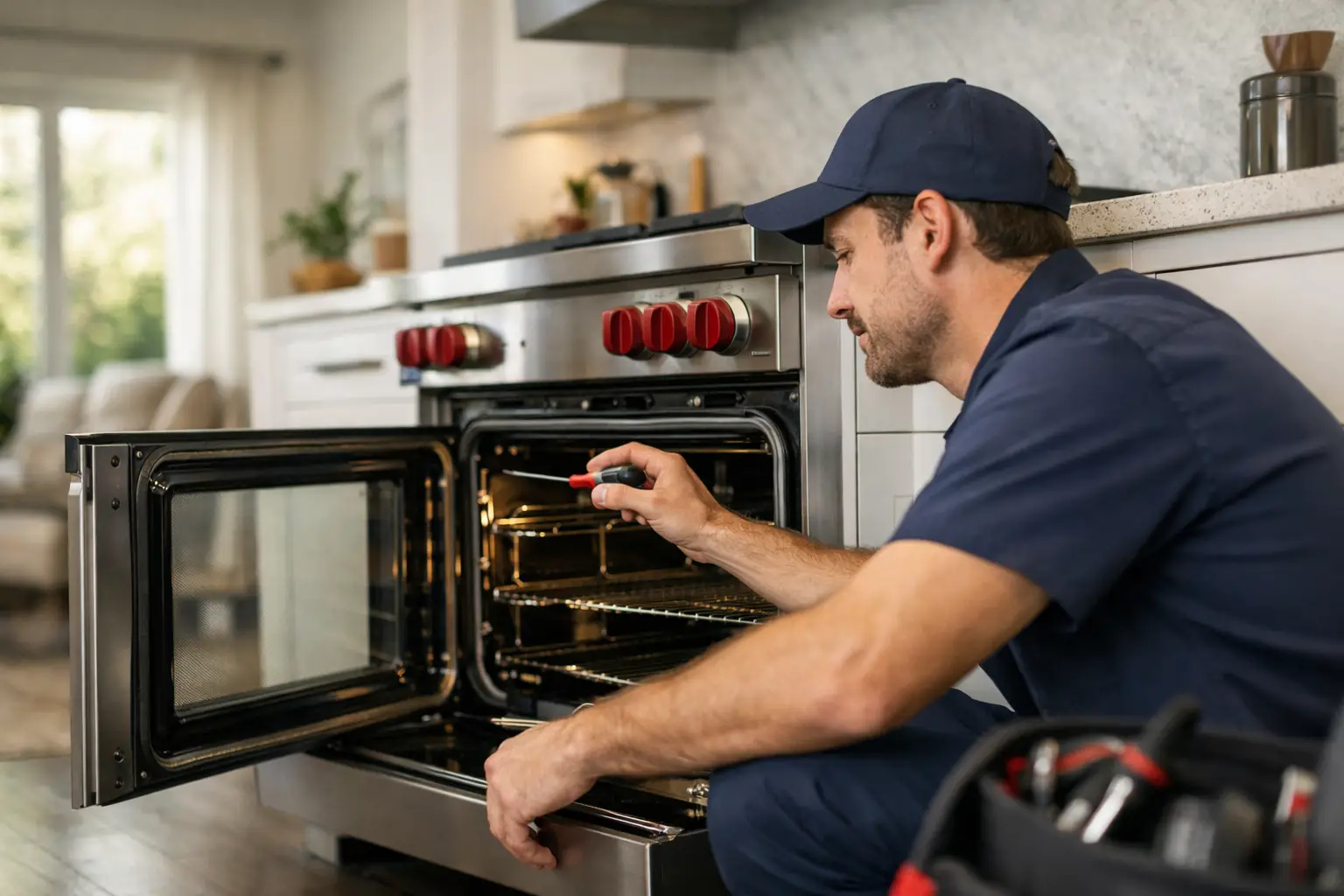





Is Appliance Repair Worth It? A Simple Answer
Is appliance repair worth it? Learn when fixing a fridge, washer, dryer, or oven makes sense and when replacement is the smarter call.
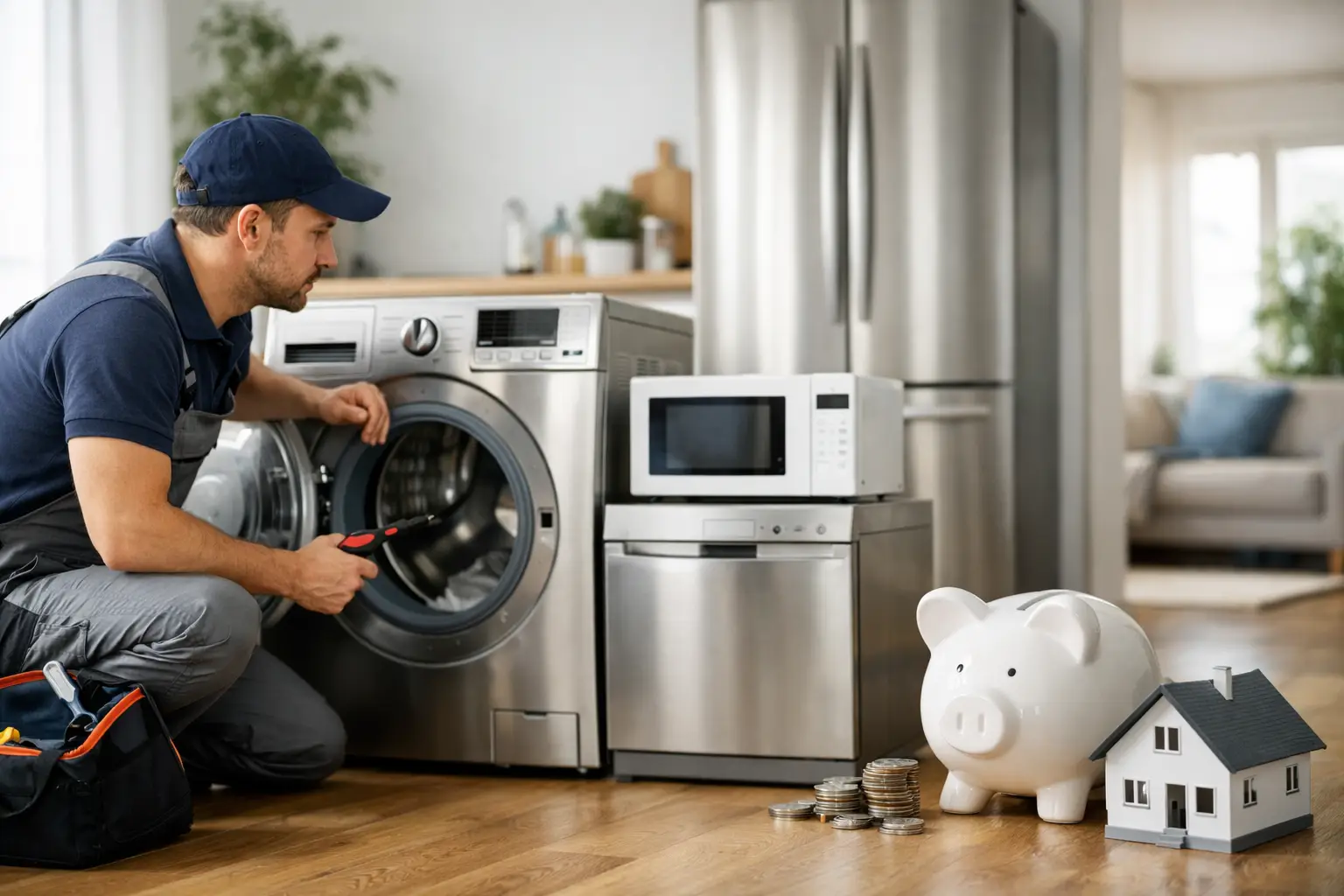
A refrigerator that stops cooling at night feels expensive right away. The same goes for a washer that will not drain, or an oven that will not heat before dinner. In moments like that, most people ask the same thing: is appliance repair worth it, or should you replace the unit and move on?
The honest answer is that it depends on the appliance, the age, the part that failed, and how much the repair will cost. Some problems are very reasonable to fix. Others are a sign that the machine is near the end. The goal is not to keep every old appliance alive forever. The goal is to spend money where it makes sense.
Is appliance repair worth it for most homes?
A lot of the time, yes. Many common appliance problems come from one failed part, not total machine failure. A bad drain pump in a washer, a broken heating element in a dryer, a faulty igniter in an oven, or a worn door seal in a dishwasher can often be repaired without replacing the whole unit.
That matters because replacing an appliance usually costs more than people expect. You are not only paying for the new unit. You may also pay for delivery, haul-away, installation, and time off work to wait for it. If the appliance is built in, the replacement can be even more involved.
Repair is often worth it when the machine is still in decent shape overall and the fix solves the actual problem. If the repair gives you a few more solid years, that is usually money well spent.
The main things that decide it
Age of the appliance
Age is one of the first things a technician looks at. Not because age alone means failure, but because older machines tend to have more wear on several parts at once.
A newer appliance with one clear problem is often worth fixing. An older appliance with repeated issues is harder to justify. If one part fails now and another part fails in three months, the total cost starts to add up.
Still, age is not the only factor. Some older machines are built simply and hold up well. Some newer ones have expensive electronic parts that change the repair math fast.
Cost of the repair
This is the part most people focus on, and that makes sense. If the repair cost is low to moderate compared to replacement, repair usually wins. If the repair is very expensive, replacement starts to look better.
The hard part is that people sometimes compare a repair bill to the sticker price of the cheapest new appliance they can find online. That is not always a fair comparison. The real replacement cost often includes delivery, setup, parts, and waiting time.
A proper diagnosis helps here. Until someone checks the appliance, you do not know if the issue is a simple part or a major sealed-system problem.
Type of appliance
Some appliances are more worth repairing than others. Built-in refrigerators, wall ovens, cooktops, wine coolers, and higher-end units often cost a lot to replace. In those cases, repair can make more sense even when the bill is not small.
For a basic countertop or low-cost appliance, replacement is often easier. But for full-size home appliances, especially installed units, repair is often the practical move.
How the appliance has been acting
One isolated problem is different from a machine that has been struggling for a year. If your dryer suddenly stops heating but everything else was normal before, repair may be straightforward. If your refrigerator has been warm, noisy, leaking, and freezing food at random, that points to a bigger reliability issue.
Look at the pattern, not just the latest symptom.
When repair usually makes sense
The problem is limited and clear
If the appliance still looks and sounds normal except for one issue, that is a good sign. A dishwasher that will not drain, a washer that will not spin, or an oven that will not ignite may have a single failed part causing the problem.
That is very different from a machine with several symptoms at once.
The appliance is mid-life, not worn out
If the unit is not brand new but also not near the end, repair is often the better value. This is common with washers, dryers, dishwashers, and ovens. A good repair can keep them going without the cost and trouble of full replacement.
Replacement would be a hassle
This comes up a lot in condos, rentals, and multi-unit properties. Built-in appliances, stacked laundry units, and tight kitchen spaces are harder to swap out. Measurements matter. Access matters. Delivery delays matter.
In West Hollywood, where space can be tight and schedules are busy, a repair that gets the machine working again can save more than just money.
When replacement may be the better call
The repair is very expensive
If a major part fails and the repair cost gets close to the cost of replacement, it may not be worth it. This is especially true if the appliance is already older or has a history of problems.
A repair should buy you useful time. If it feels like a big gamble, that matters.
The same appliance keeps breaking
Repeat breakdowns are a red flag. One repair is normal. Several repairs in a short period means the machine may be wearing out overall. At that point, you are not really solving the problem. You are chasing it.
This is common with older washers, refrigerators with cooling issues, and dryers with repeated heat or drum problems.
Parts are hard to get
Sometimes the repair itself is possible, but the part is discontinued, delayed, or not worth the wait. That can push the decision toward replacement, especially if you need the appliance every day.
A refrigerator is a good example. If cooling is down and the needed part will take too long, replacement may be the more practical choice.
Appliance by appliance, what usually makes sense
Refrigerators
Refrigerator repair can be worth it, especially if the issue is with a fan motor, thermostat, defrost part, or ice maker component. But if the problem is a major sealed-system issue or compressor failure on an older unit, the decision gets harder.
Because a refrigerator runs all day, downtime is a big deal. If the fix is reasonable and the unit is otherwise solid, repair often makes sense.
Washers and dryers
These are often worth repairing. Many washer and dryer problems come from parts that wear out with use, like belts, pumps, rollers, latches, or heating parts. Those repairs are often more practical than replacing the whole unit.
If the machine is rusting badly, leaking from multiple places, or having repeated control issues, replacement may be smarter.
Dishwashers
Dishwasher repair is often worth it when the problem is draining, filling, leaking from a gasket, or not cleaning well due to a failed part. If the tub is damaged or the control system is failing on an older machine, the numbers may not work as well.
Ovens, ranges, and cooktops
Cooking appliances are often good candidates for repair. Igniters, heating elements, sensors, switches, and burners can fail without meaning the whole appliance is done. Built-in units are especially worth checking before replacing.
A few things you can check first
Before you call, it helps to rule out simple issues. Make sure the unit has power. Check the breaker if the appliance is completely dead. Make sure the water supply is on for a washer, dishwasher, or ice maker. Clean obvious lint buildup in dryers and check for a blocked filter in dishwashers.
Do not take apart panels or touch wiring. If there is burning smell, sparking, gas smell, or active leaking, stop using the appliance.
Why a real diagnosis matters
A lot of bad decisions happen before the problem is even identified. People replace appliances that had a repairable issue. Other people spend on repairs when the machine is too far gone.
That is why diagnosis matters. At Vertex Appliance Repair, the diagnostic fee is $69, and it is waived if you approve the repair. That gives you a clear answer before you commit. It also helps you compare the real repair cost against the real replacement cost. The 90-day warranty on completed repairs and installed parts also matters. It gives some protection if the same repaired issue comes back.
The simple way to think about it
If the appliance has one clear fault, the repair cost is reasonable, and the machine has been reliable up to now, repair is usually worth it. If the appliance is older, the repair is expensive, and the unit has been giving trouble more than once, replacement is often the better use of money.
The best choice is not always the cheapest choice today. It is the one that gives you the least trouble over the next year or two. If you are unsure, get the machine checked, ask what failed, ask what the repair includes, and ask whether the technician would fix it in their own home. That answer is usually the most useful one.
Related articles

Built In Refrigerator Versus Freestanding: Which Fits?
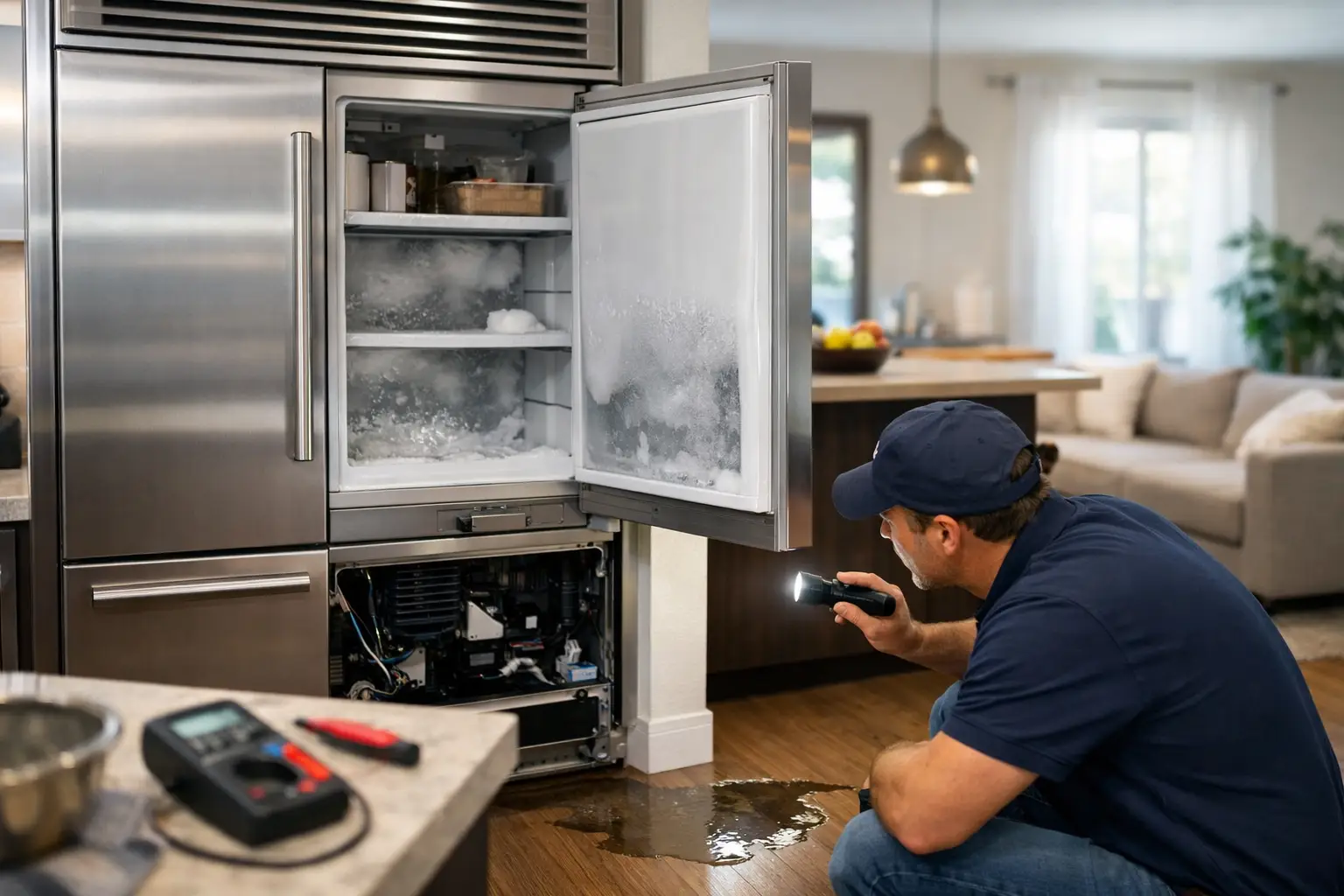
Sub-Zero Error 24 EC — Check the Condenser Before the Defrost Parts