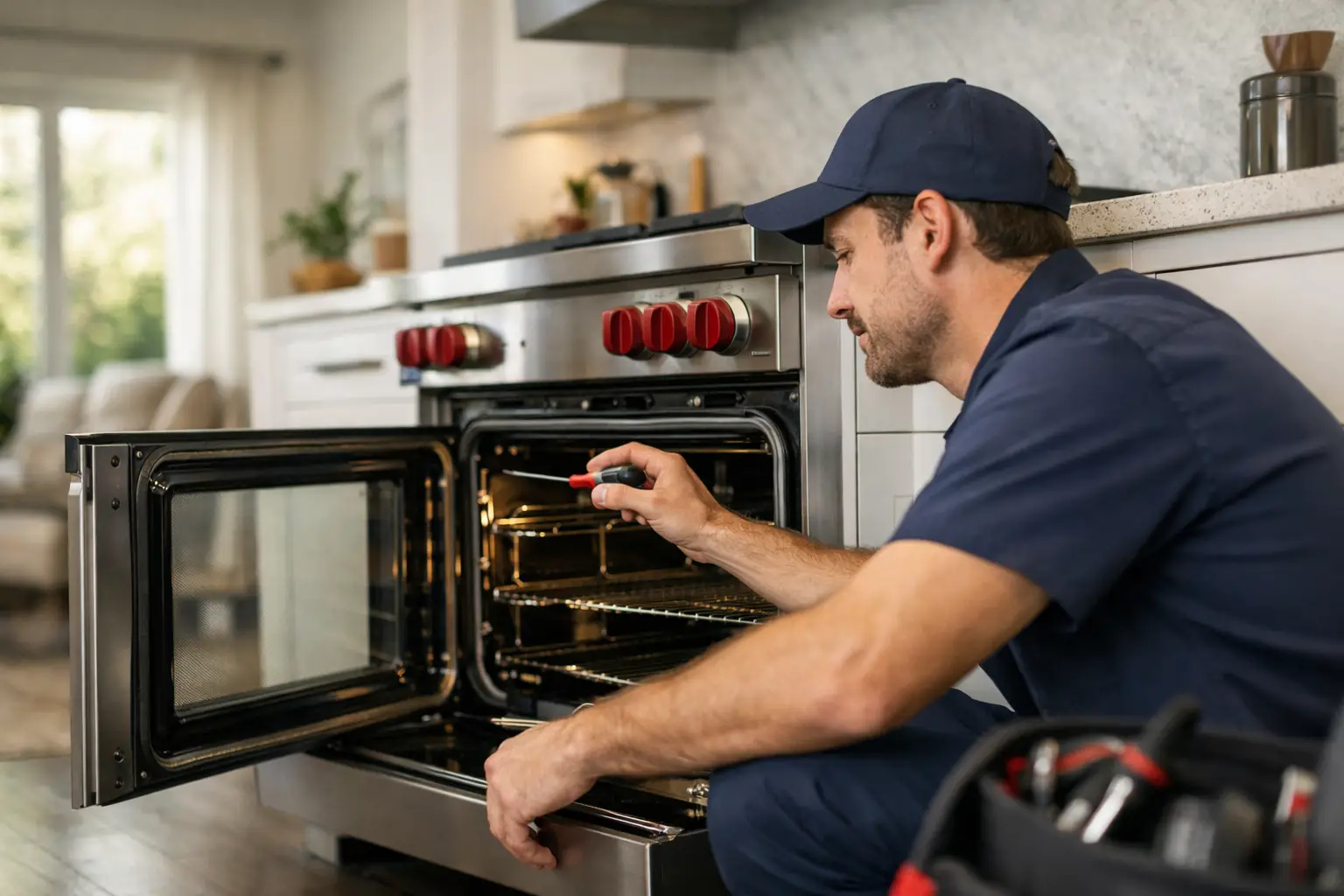





What Appliance Needs Repair First? Signs to Check
Wondering what appliance needs repair? Learn the warning signs in refrigerators, washers, dryers, dishwashers, and ovens before damage spreads at home.
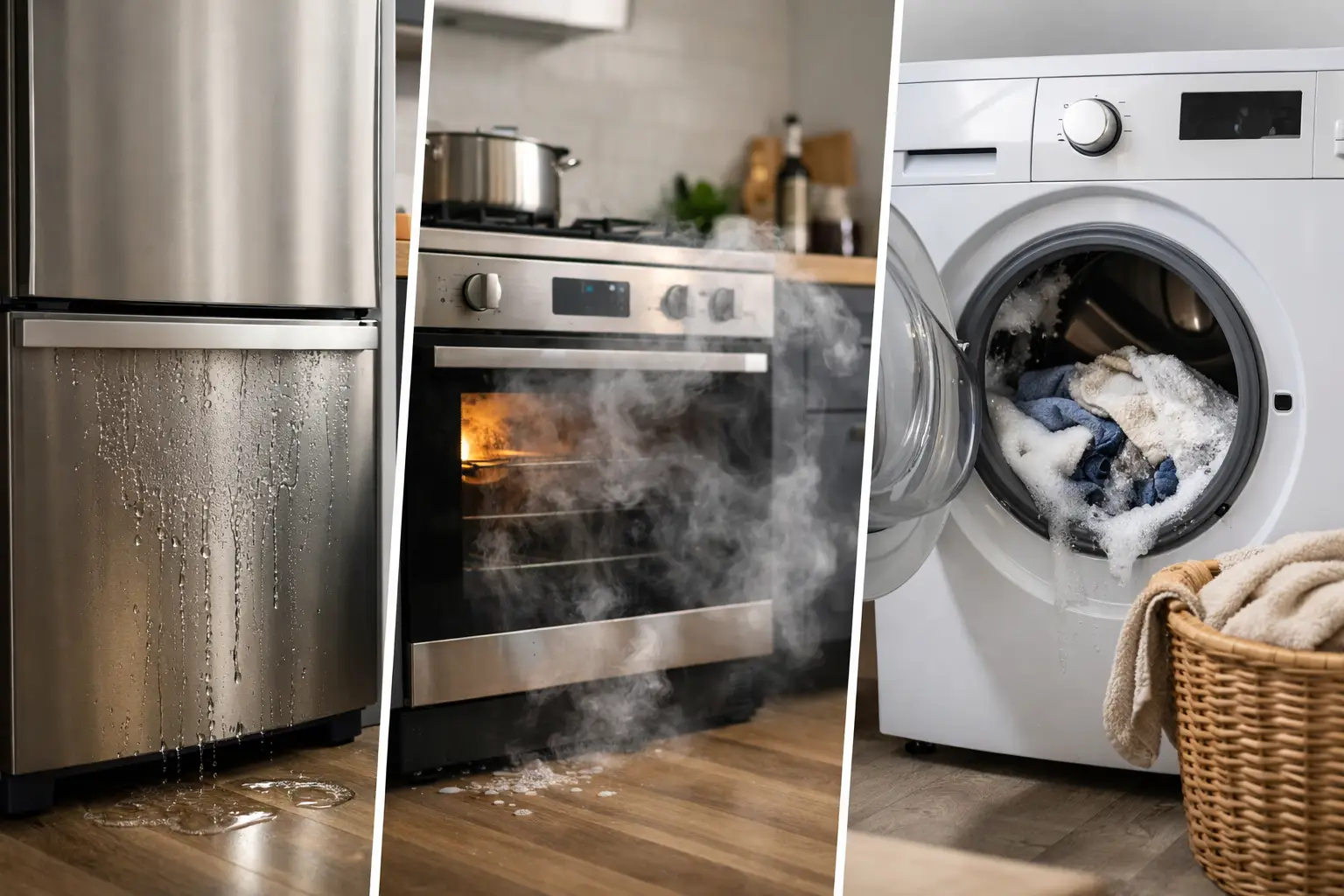
A refrigerator that is getting warm, a washer that will not drain, and a dryer that takes two cycles all need attention. But when several things seem wrong, it can be hard to tell what appliance needs repair first. The best choice is usually the appliance that creates a safety risk, can cause water damage, or stops an essential part of daily life.
Small symptoms often get worse. A new noise, a weak cooling problem, or a little water on the floor may look minor. It can also be the first sign of a part that is failing. Checking the right warning signs helps you decide when to schedule service and when to stop using the appliance right away.
What Appliance Needs Repair First?
Start with safety. An appliance with a burning smell, smoke, sparks, a gas smell, or repeated breaker trips should not stay in use. Turn it off if you can do so safely. If you smell gas, leave the area and follow your gas utility’s safety instructions. Do not try to find the leak yourself.
Next, deal with water. A leaking washer, dishwasher, refrigerator, or ice maker can damage flooring, cabinets, and the unit below yours. This matters even more in condos and apartment buildings, where a small leak can affect another home.
After that, think about food, laundry, and cooking. A refrigerator that cannot hold a safe cold temperature usually comes before a dishwasher that leaves spots on glasses. A dryer that does not heat needs service soon, especially if it smells hot or has poor airflow. An oven that will not heat can also be urgent for a family or a rental unit, but the order depends on what is causing the problem.
Refrigerator Problems That Should Not Wait
A refrigerator is often the first appliance to repair because food loss happens fast. The refrigerator section should feel cold and the freezer should keep food frozen. If milk is warm, frozen food is soft, or the unit runs all day without reaching temperature, stop waiting to see if it fixes itself.
Check that the doors are fully closed and that food is not blocking the vents inside. Make sure the temperature controls were not changed by accident. You can also look behind the refrigerator for a kinked water line or a puddle.
Do not keep opening the doors to test it. That lets more warm air in. Move perishable food to another working refrigerator or a cooler if the temperature is rising.
Common refrigerator warning signs
A clicking sound with no cooling can point to a starting problem. Heavy frost in the freezer can mean an air flow or defrost issue. Water under the refrigerator may come from a clogged drain line, a leaking filter connection, or an ice maker line. These problems have different causes, so a proper diagnosis is better than replacing parts by guesswork.
Built-in refrigerators and wine coolers also need quick attention when temperatures drift. These units may have limited airflow space and specialized parts. Do not pull out a built-in unit without checking how it is installed.
Washer Leaks and Drain Problems Need Fast Action
A washer that leaks is a priority repair. Even a slow leak can soak baseboards and flooring. If water is coming out during a cycle, turn off the washer and close both water supply valves behind it if they are easy to reach.
Look for a loose supply hose, a drain hose that has come out of the standpipe, or detergent foam coming from the door area. Using too much regular detergent in a high-efficiency washer can create extra suds and cause leaks. That said, a torn door seal, bad pump, or internal hose can produce the same symptom.
A washer that will not drain is also time-sensitive. Standing water can leave clothes trapped inside and may start to smell. Do not force the door open on a front-load washer. It can spill several gallons of water onto the floor.
If the washer is banging hard during spin, pause the cycle. An uneven load can cause this, but repeated violent shaking may mean worn suspension parts or an installation issue. Continued use can damage the washer and the floor beneath it.
Dryer Repair Can Be a Safety Issue
A dryer that runs but does not dry clothes properly is not always a dryer failure. A blocked or restricted vent can be the cause. It can also create excess heat, which is why poor drying performance should not be ignored.
Clean the lint screen before each load. Check the outside vent hood while the dryer is running. It should open and release air. If there is little airflow, stop using the dryer until the vent and appliance can be checked.
A burning smell, a very hot dryer cabinet, or clothes that are hotter than normal are stronger warning signs. So is a dryer that keeps running after clothes are dry. These may involve airflow, heating controls, or another internal part. Do not dry another load just to see whether the problem happens again.
Dishwasher Problems: Know When to Stop the Cycle
A dishwasher that leaves food on dishes may be inconvenient, but it is not always urgent. First, check the spray arms for blocked holes and make sure nothing is stopping them from turning. Clean the filter if your model has one and the manufacturer allows homeowner cleaning.
A dishwasher that leaks onto the kitchen floor is different. Stop the cycle and place towels around the water. If possible, turn off power at the breaker before looking near electrical connections. Do not keep restarting the dishwasher after a leak.
Water left in the bottom of the tub can come from a filter blockage, drain hose issue, drain pump, or garbage disposal connection. If the water is dirty or keeps returning after draining, service is usually the safer next step. For landlords and property managers, handling these problems early can prevent cabinet damage and tenant disruption.
Oven, Range, and Cooktop Signs to Take Seriously
Cooking appliances need repair when they will not heat, heat too much, trip the breaker, show an error code, or produce unusual smells. A surface burner that does not respond to its control should not be left on. An oven that burns food at normal settings may have a temperature control problem, not a simple cooking mistake.
For an electric range or cooktop, let the surface cool fully before cleaning or checking anything. Cracked glass cooktops should be inspected before use. Moisture can reach electrical parts through a crack.
For gas ranges and ovens, a yellow or uneven flame can need attention. A normal burner flame is generally mostly blue. If you smell gas, do not light a match, use switches, or keep testing the appliance. Leave the area and follow gas safety guidance.
When a Small Problem Can Wait
Not every problem needs immediate repair. A loose refrigerator shelf, a dishwasher rack wheel, or a cosmetic panel issue can often wait if the appliance works safely. A noisy appliance may also be able to run for a short time, depending on the sound and the source.
The trade-off is that waiting can turn a smaller repair into a larger one. A refrigerator fan that starts making a loud scraping sound may fail completely. A washer with a small drip can damage a floor over time. If you are unsure, take note of when the symptom happens, what the appliance was doing, and whether there is water, heat, or an error code. That information helps narrow down the issue.
What to Do Before You Schedule Service
Take a clear photo of any error code, leak area, or damaged part. Find the model number if you can. It is often on a label inside the refrigerator, around the washer door opening, or on the oven frame.
Do not take the appliance apart. A quick check is useful, but moving electrical connections, gas lines, or internal panels can make the problem harder to diagnose. Keep the area around the appliance clear so the technician can access it.
For homeowners, renters, and property managers in West Hollywood, Vertex Appliance Repair can inspect refrigerators, washers, dryers, dishwashers, ovens, ranges, cooktops, ice makers, wine coolers, and built-in appliances. The diagnostic fee is $89 and is waived when you approve the repair. Completed repairs and installed parts include a 60-day warranty.
If an appliance is leaking, overheating, not cooling, or showing a safety warning, do not wait for a complete breakdown. Stopping use early and arranging a diagnosis can protect your home, your food, and your schedule.
If your dryer is not heating or takes several cycles to dry a load, we can help. See dryer repair in West Hollywood or call 323-747-7098.
Related articles
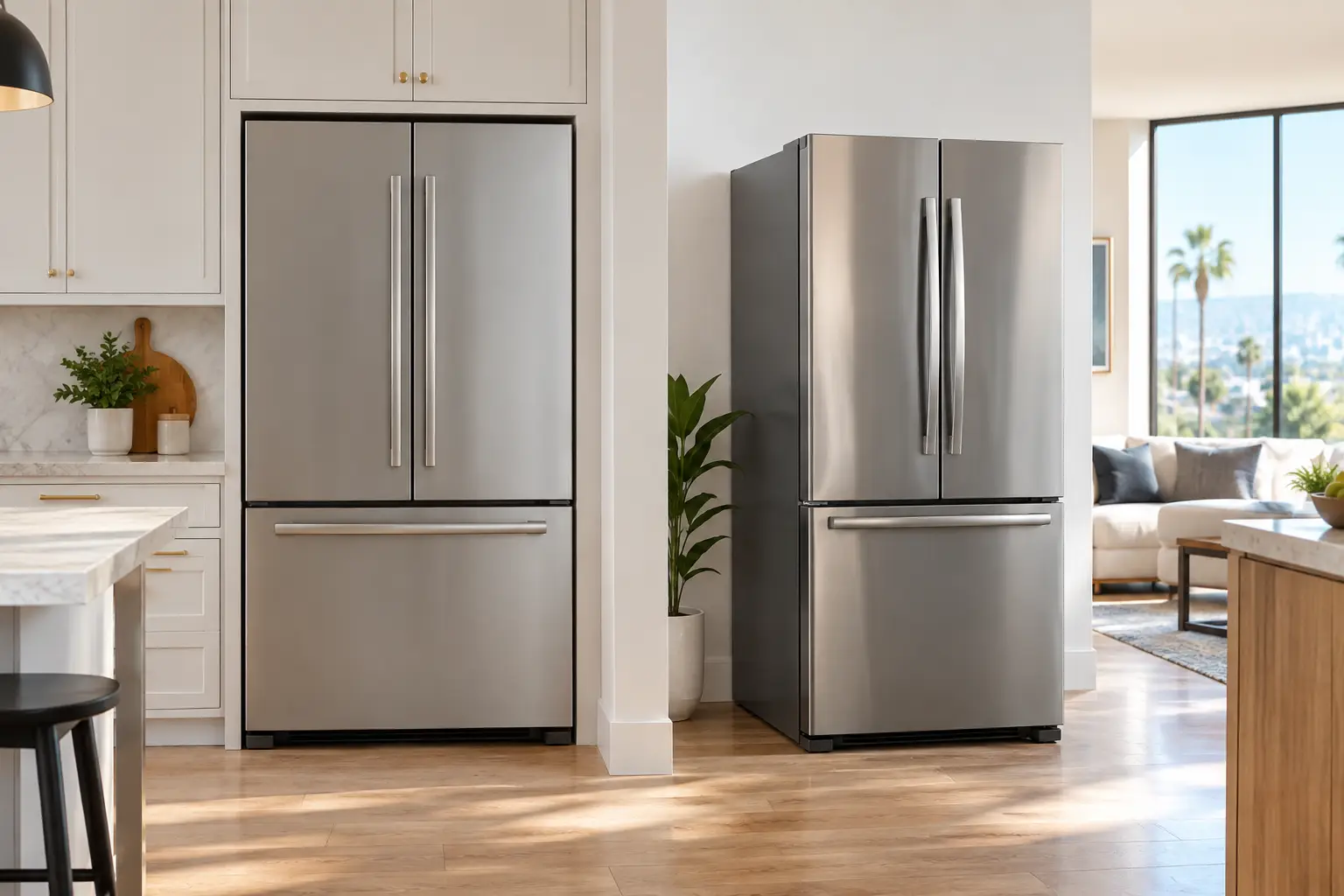
Built In Refrigerator Versus Freestanding: Which Fits?
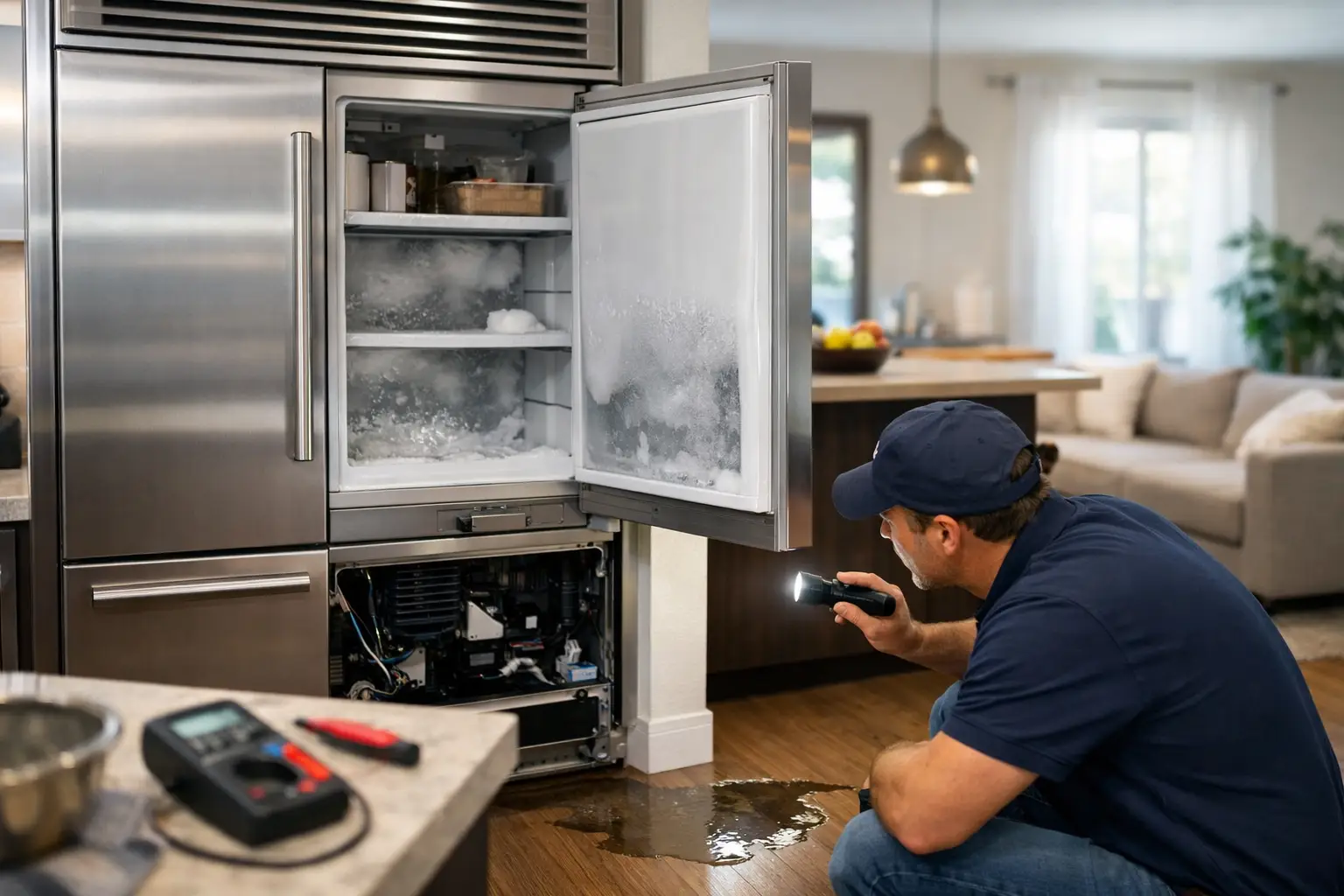
Sub-Zero Error 24 EC — Check the Condenser Before the Defrost Parts