




Landlord Appliance Maintenance Guide
A landlord appliance maintenance guide with simple checks, repair timing, and tenant tips to reduce breakdowns, costs, and appliance downtime.
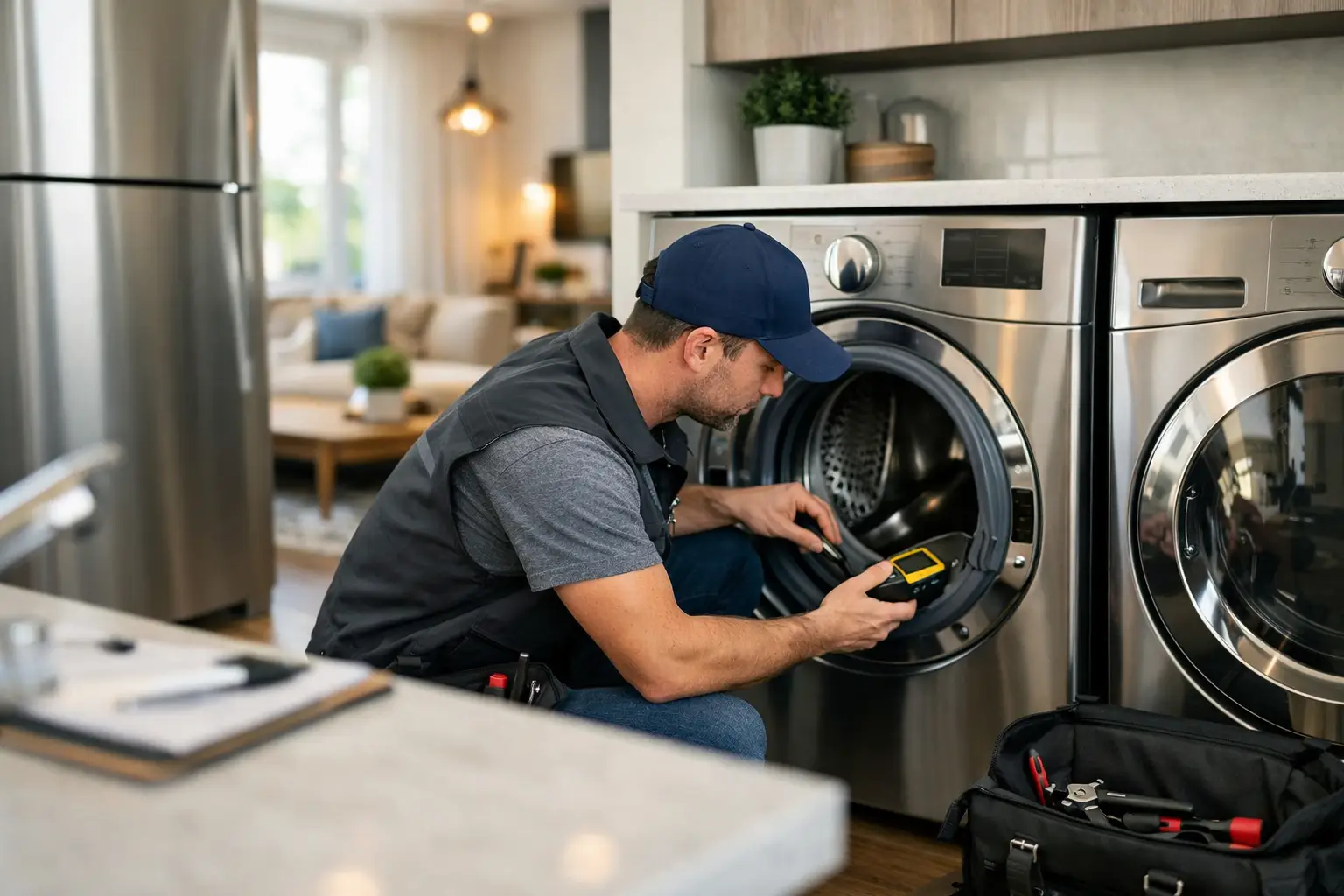
A leaking washer on move-in day can turn a normal rental into a problem fast. A good landlord appliance maintenance guide helps you catch small issues before they become water damage, food loss, or an unhappy tenant. If you own or manage rentals, the goal is simple. Keep the appliances safe, working, and easy to service.
Most landlord appliance problems are not sudden. They build up. A dryer vent gets packed with lint. A refrigerator coil gets covered in dust. A dishwasher filter stays clogged for months. Then the machine works harder, runs longer, and finally stops. That is why maintenance matters more than people think.
What a landlord should maintain and what a tenant should report
The biggest problem in rentals is not always the repair itself. It is confusion about who is supposed to do what. A landlord should handle normal maintenance, worn parts, and any issue tied to age, installation, or safety. A tenant should report changes early. Strange noise, weak cooling, slow draining, burning smell, and water under a machine should never wait until the end of the month.
This only works if expectations are clear. Put appliance rules in writing. Tell tenants what to clean, what not to force, and when to call. For example, a tenant can usually clean a lint screen or dishwasher filter. They should not pull apart a dryer, move a built-in refrigerator, or keep resetting a breaker to make an oven work.
In small multi-unit properties, this matters even more. One bad leak can affect the unit below. One ignored dryer problem can become a fire risk. Good maintenance is not just about saving repair costs. It protects the property.
Landlord appliance maintenance guide by appliance
Refrigerator
Refrigerators usually give warning signs. Food spoils too soon. The freezer gets snow buildup. Water appears under the crispers or on the floor. The unit runs all day and still does not cool well.
Start with the easy checks. Make sure door gaskets seal well. If a gasket is torn or loose, cold air escapes and the compressor runs longer. Clean the condenser coils if they are accessible. Dust and pet hair make the refrigerator overheat. Check that the drain is not blocked if water is pooling inside.
An ice maker or water line also needs attention. A slow leak behind the refrigerator can go unnoticed for a long time. In a rental, that can damage flooring and baseboards before anyone reports it.
Washer
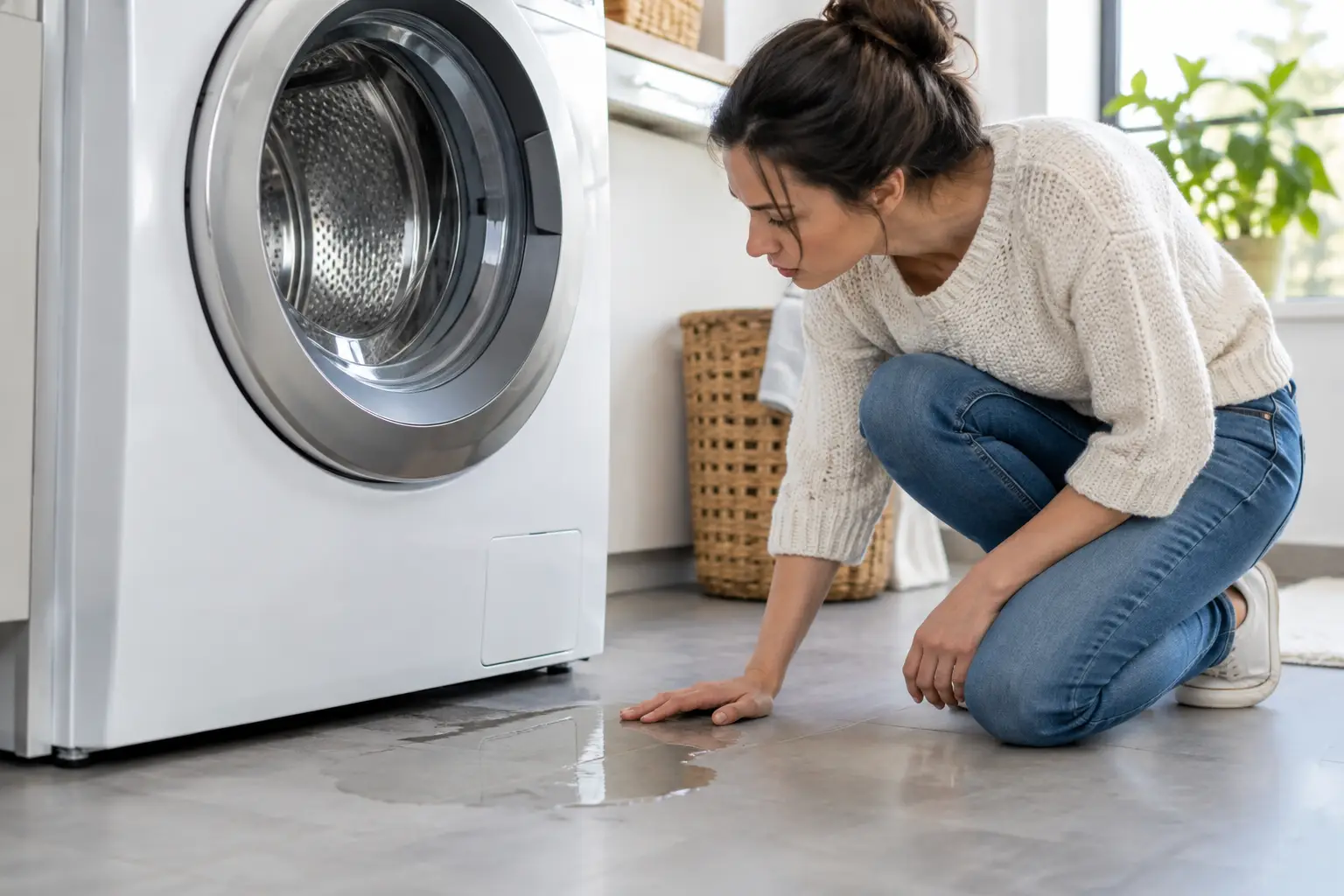
Washers fail in a few common ways. They do not drain, they shake hard, or they leak. Sometimes the cause is simple, like an overloaded drum or a kinked drain hose. Sometimes it is a worn pump, bad suspension part, or clogged drain system.
Look at the fill hoses first. Old rubber hoses are a weak point. Braided lines usually hold up better. Check for bulges, rust at the connection, or signs of slow dripping. Also check that the washer sits level. A washer that bangs around on every cycle wears out faster and can damage the floor.
If a unit has repeated washer issues, it may not be misuse. It may be poor installation or worn internal parts. That is where a service call saves time.
Dryer
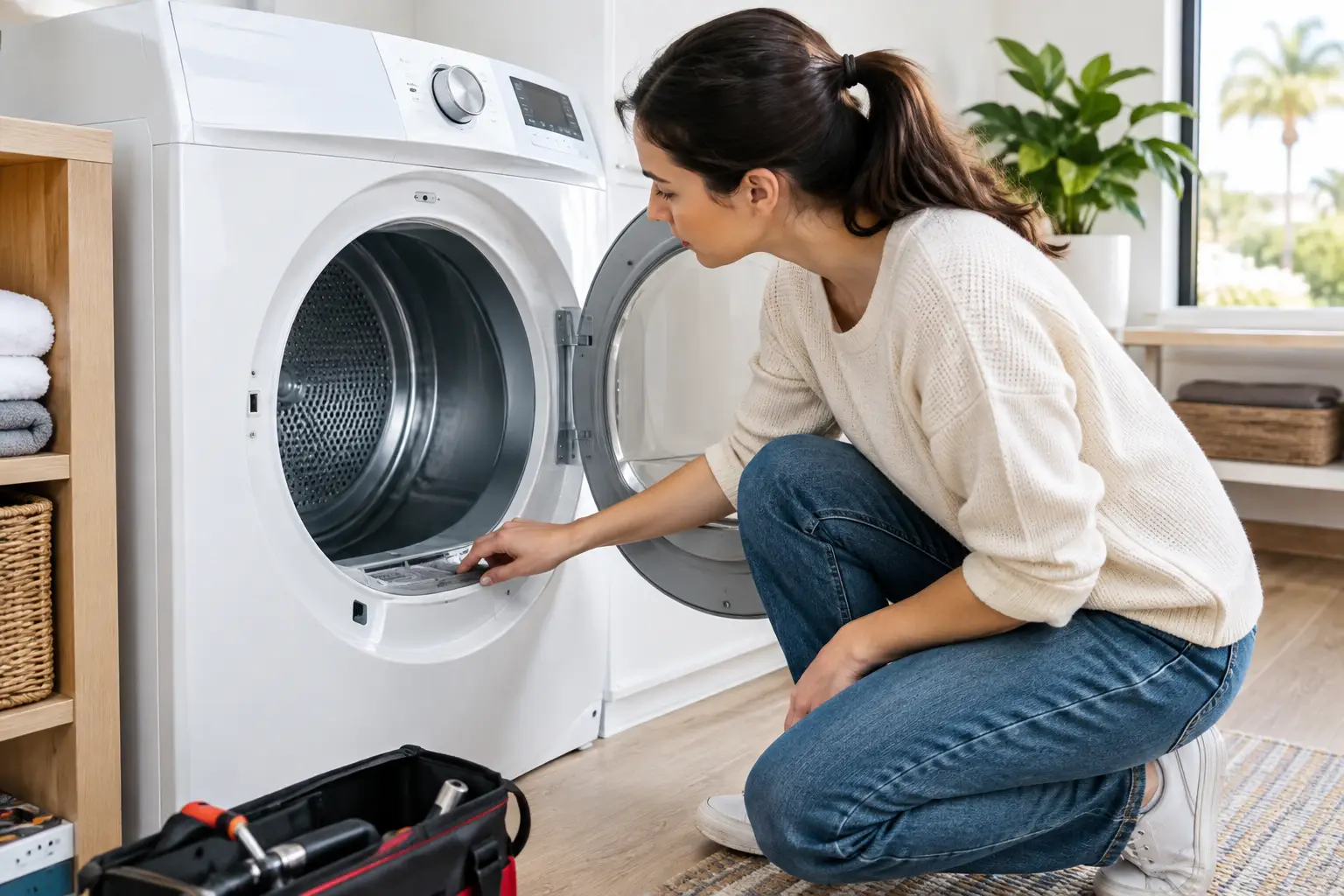
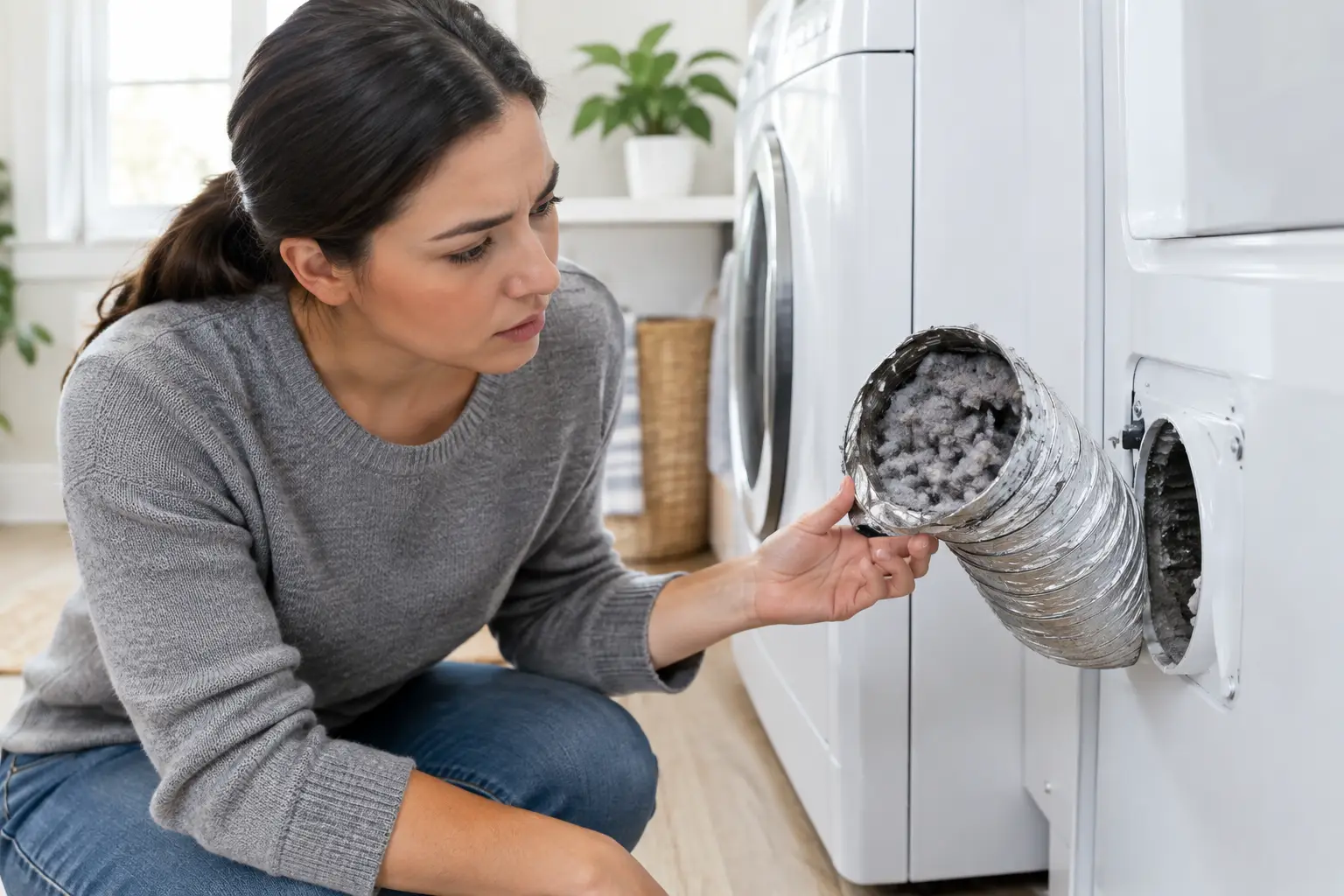
Dryers are one of the most important appliances to stay ahead of. Poor drying is often a vent problem, not a machine problem. If the vent is clogged, heat stays trapped, drying times get longer, and parts fail sooner.
Clean the lint screen often, but do not stop there. The vent line and outside vent cap also need inspection. If clothes feel hot but still damp, or the top of the dryer gets too hot, the airflow may be poor. Gas dryers also need extra caution. If a tenant reports a burning smell or unusual heat, do not delay.
Dishwasher
Dishwashers usually show trouble through poor cleaning, standing water, leaks, or a door that does not latch right. Many service calls start with a blocked filter or spray arm. Hard water buildup can also reduce performance over time.
A simple routine helps a lot. Check the filter, look for broken rack parts, and inspect around the door seal. If water is sitting in the tub after a cycle, the drain path may be clogged. If the same dishwasher keeps leaking, look at how it was loaded and whether the door gasket is worn.
Oven, range, and cooktop
Cooking appliances need both function and safety checks. Burners that click nonstop, a weak bake element, uneven heating, or a gas smell should all be taken seriously. Electric units may have bad burners, damaged receptacles, or control issues. Gas units may have ignition or valve problems.
In rentals, the main mistake is waiting too long. A tenant may live with one bad burner for months. Then the whole range becomes unreliable. Ask at turnover if every burner, oven mode, and control works. A five-minute test is worth it.
A simple maintenance schedule that works
A landlord appliance maintenance guide should be easy to follow. If the schedule is too complicated, it will not happen.
At turnover, test every appliance fully. Do not just turn it on for ten seconds. Run a rinse cycle on the dishwasher. Run the washer and watch for leaks. Heat the oven. Make sure the refrigerator reaches temperature. This is also the best time to clean coils, inspect hoses, and replace worn knobs, gaskets, or filters.
Every six months, check the refrigerator seals and coils, washer hoses, dryer vent path, and dishwasher filter area. In units with heavy use, this may need to happen sooner. A family of five uses appliances very differently than a single tenant.
Once a year, inspect anything tied to water, heat, or gas with extra care. That includes refrigerator water lines, washer hoses, dryer airflow, and cooking appliance function. If the appliance is older, yearly service becomes more valuable. Old machines can still be worth keeping, but only if they are maintained and repaired before a major failure.
When repair makes sense and when replacement is smarter
This depends on the appliance, the part, and the age. A simple repair on a solid older machine can be the right move. A major repair on a very worn appliance may not be worth repeating.
Landlords sometimes replace too fast because they are tired of complaints. Others repair too long because they want to avoid the upfront cost. Both choices can cost more over time. If the same unit has had multiple service calls close together, or if parts are becoming hard to get, replacement may be the better call.
The other factor is downtime. In a rental, a refrigerator or washer out of service can affect daily life right away. Quick, practical decisions matter more than trying to stretch every machine one more year.
Tenant communication can prevent half the service calls
A short appliance sheet in the lease package helps a lot. Keep it simple. Show where the shutoff is for the washer. Ask tenants to report leaks right away. Tell them not to overload the washer or slam the oven door. Explain that long dryer times usually mean the vent needs attention.
This is not about blaming tenants. It is about getting better information sooner. When tenants know what to look for, they report problems while they are still small.
In West Hollywood, many rentals have tight kitchens, stacked laundry units, and built-in appliances. Those setups can be harder to inspect and harder to remove. That makes early reporting even more useful. A small issue is easier to fix before it turns into cabinet damage, flooring damage, or a dead appliance in a narrow space.
Keep records, even if you only manage a few units
You do not need a complicated system. Just track the appliance brand, model, install date if known, and every repair. Write down what failed and when. Patterns show up fast.
If two units in the same property keep having dryer vent issues, that may point to the vent design, not the dryer. If a refrigerator keeps freezing food after a past repair, there may be a control problem that was not fully solved. Good records help you approve the right repair faster.
If you need outside help, clear records also help the technician. It saves time on diagnosis. Vertex Appliance Repair sees this often in rentals. The owner remembers a past issue, but not the part replaced or the symptom. Even a few notes can make the next visit smoother.
The best appliance plan for a landlord is not fancy. It is regular checks, fast response, and clear rules with tenants. Most breakdowns give warning signs first. If you act on those signs, you usually spend less and keep the unit easier to manage. The real win is not just a repaired machine. It is fewer surprises for you and fewer disruptions for the person living there.