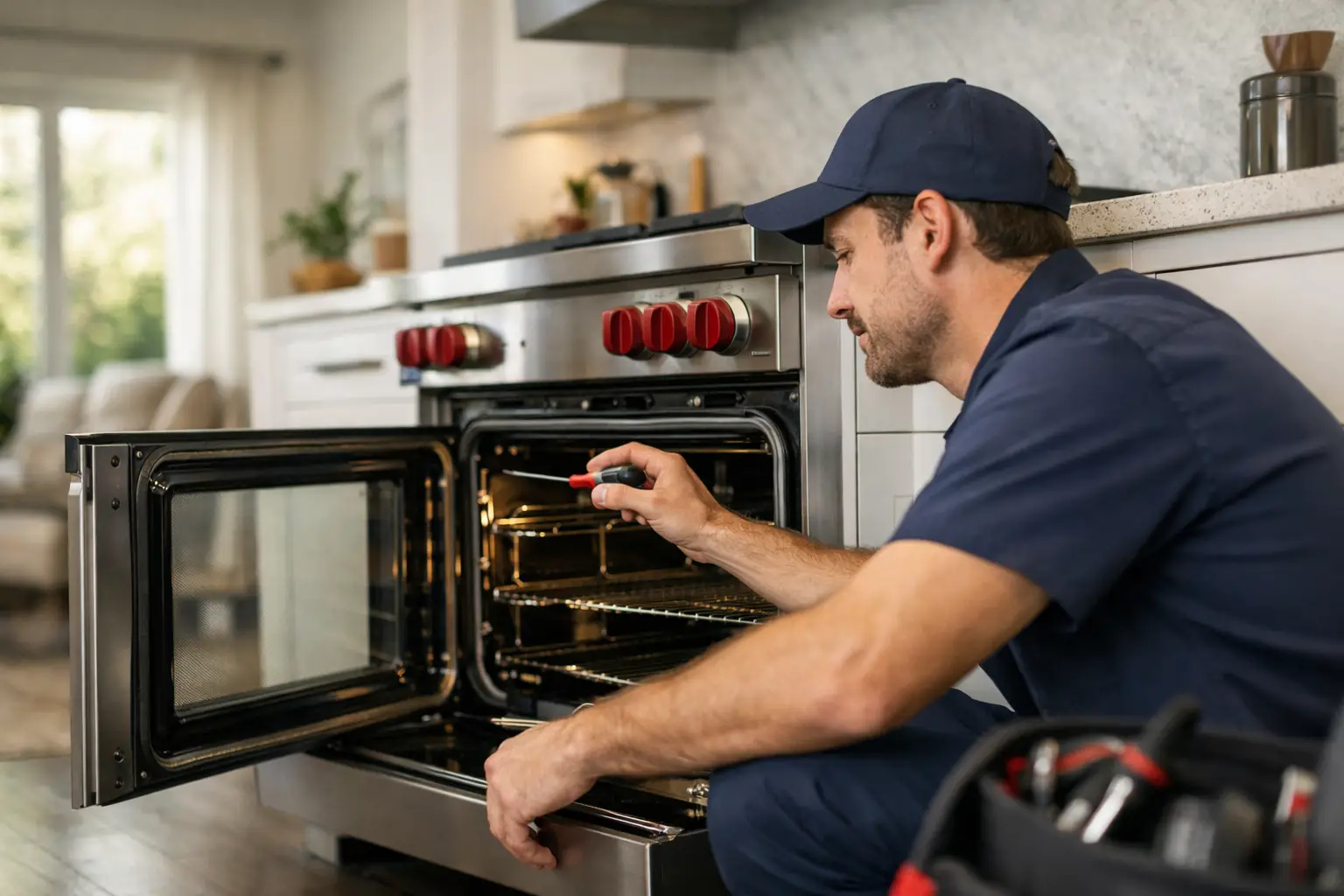





Top Signs Your Dryer Needs Repair
Learn the top signs dryer needs repair, from long dry times to burning smells, noise, and no heat. Know what to check and when to call.
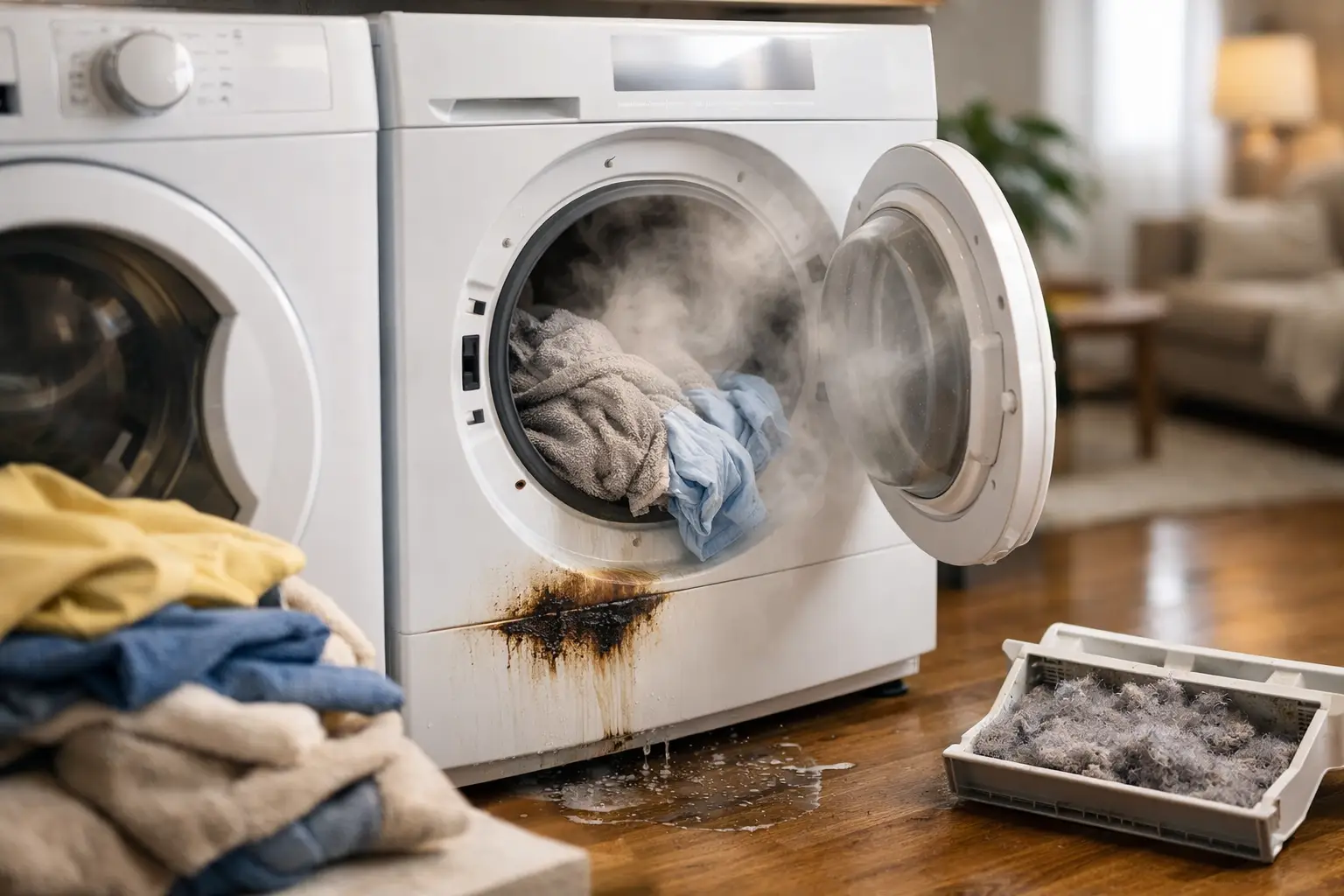
A dryer usually gives warning signs before it stops working. If you know the top signs dryer needs repair, you can act early, avoid bigger damage, and keep laundry from piling up.
Why small dryer problems get worse fast
A dryer works with heat, airflow, and moving parts. If one part starts to fail, the machine has to work harder. That can lead to longer dry times, higher power use, worn parts, or a safety issue.
Some problems are simple. A crushed vent hose or a full lint screen can cause poor drying. Other problems need repair, like a bad heating element, worn rollers, a broken belt, or a weak motor. The hard part is that the symptoms can look similar at first.
That is why it helps to pay attention to changes in sound, smell, heat, and cycle time. A dryer does not have to be completely dead to need service.
Top signs dryer needs repair
Clothes take too long to dry
This is one of the most common signs. If a normal load used to dry in one cycle and now needs two or three, something is wrong.
Start with airflow. Check the lint screen. Check the vent hose behind the dryer. Make sure it is not crushed or packed with lint. If airflow is blocked, heat cannot leave the dryer the right way. Moist air stays trapped inside, and clothes stay damp.
If the vent looks fine and the problem keeps happening, the issue may be inside the dryer. A weak heating element, a bad thermostat, or a sensor problem can all cause long dry times. On gas dryers, the igniter or gas valve coils may be failing.
The dryer runs but does not heat
If the drum turns but the clothes stay cold, the dryer is not making heat. This can happen on electric or gas models, but the causes are different.
On an electric dryer, a blown heating element is common. A thermal fuse can also shut down heat. On a gas dryer, the igniter may not light the burner, or the burner may light once and then stop because the coils are weak.
A homeowner can check the easy things first. Make sure the dryer is not set to air fluff or no heat. If it is an electric dryer, check the breaker. Sometimes one side of the breaker trips, and the dryer still runs but will not heat.
If those basic checks do not fix it, repair is usually needed.
Burning smell during a cycle
A burning smell should never be ignored. Sometimes the smell is just lint buildup getting hot. That is still a warning sign, because lint near heat can become a fire risk.
Other times, the smell comes from a belt, motor, wire, or roller starting to fail. If the smell is strong, sharp, or keeps happening, stop using the dryer until it is checked.
A new dryer can have a light factory smell for a short time. An older dryer should not smell like something is burning. If you notice this in a condo, apartment, or rental unit, it is smart to deal with it quickly.
The dryer makes loud or strange noises
Dryers are not silent, but they should sound normal and steady. Thumping, squealing, scraping, rattling, or grinding are common signs of worn parts.
A thumping sound can come from flat spots on the drum rollers. Squealing often points to worn support rollers or an idler pulley. Scraping can mean the drum glides are worn down. Rattling may be something loose, or it may be an object caught inside.
Sometimes the fix is small if caught early. If the dryer keeps running with bad support parts, the drum or motor can be damaged too. That turns a simpler repair into a bigger one.
The dryer stops mid-cycle
If the dryer starts and then shuts off before the load is done, overheating is a common reason. A blocked vent can make the dryer get too hot, and a safety part may shut it down.
A failing motor can also stop after it heats up. In some cases, the dryer runs again after it cools, then stops later. That on-and-off pattern often points to a part that is weakening, not a one-time glitch.
Check for vent blockage first. If the vent is clear and the problem keeps happening, the dryer needs service.
The drum does not spin
If you hear the dryer running but the drum does not turn, stop the cycle. Running it like that can cause more damage.
A broken belt is a common cause. Some dryers also have a worn idler pulley or motor problem. In a few cases, the drum is hard to turn because support parts have failed.
You can try opening the door and turning the drum by hand with the dryer off. If it feels stuck, very loose, or rough, that gives a clue. Still, the actual repair usually requires opening the unit.
The dryer gets too hot
A dryer should get hot enough to dry clothes, but not so hot that fabrics feel scorched or the outside of the dryer feels unusually hot.
Too much heat often means poor airflow. Hot air cannot escape, so heat builds up. It can also happen if a thermostat is not regulating temperature the right way.
This is one of the top signs your dryer needs repair because it affects both performance and safety. Overheating can damage clothing, stress internal parts, and increase fire risk.
Clothes come out damaged
If clothes shrink more than usual, feel scorched, or have new wear marks, the dryer may be running too hot or tumbling the wrong way.
A rough drum edge, worn glides, or a damaged seal can catch fabric. A heat control problem can over-dry delicate items. Not every clothing issue means the dryer is broken, but repeated damage is a sign to take seriously.
The dryer will not start at all
When the dryer is completely dead, the cause can be as simple as power loss or as serious as a failed switch, fuse, control board, or motor.
Before calling, check that the door is fully closed. Make sure the breaker has not tripped. If the outlet is controlled by a wall switch, make sure that switch is on. These things sound basic, but they do cause service calls.
If power is reaching the dryer and it still will not start, internal testing is needed.
What you can check safely before calling
You do not need to take the dryer apart to rule out a few common issues. Clean the lint screen fully. Pull the dryer out enough to inspect the vent hose for kinks. Make sure the outside vent flap opens when the dryer runs. Check the cycle settings. If it is an electric model, look at the breaker.
That is a good stopping point for most people. Dryers use high heat, and electric dryers use 240 volts. Gas dryers also have burner parts and gas connections. If the fix is not obvious from the outside, it is better to have it diagnosed properly.
When repair makes more sense than waiting
A lot of people keep using a dryer as long as it still runs. That can work for a day or two with a minor symptom, but it is risky when there is no heat, overheating, a burning smell, or loud mechanical noise.
Waiting can increase the final repair cost. A worn roller may be a manageable repair now. If it damages the drum or motor later, the job gets bigger. The same goes for airflow problems. A blocked vent can lead to repeated overheating and failed safety parts.
If you manage a rental or multi-unit property, delay also means tenant disruption. Laundry appliances are not small conveniences. When a dryer is down, people feel it right away.
What to expect from a service visit
A proper dryer repair starts with diagnosis, not guessing. The technician should check airflow, heat, power, and moving parts. On some jobs, the problem is clear in minutes. On others, testing is needed to confirm whether the issue is the heater, thermostat, fuse, motor, igniter, belt system, or control.
At Vertex Appliance Repair, the diagnostic fee is $69, and it is waived if you approve the repair. Completed repairs and installed parts come with a 90-day warranty. For homeowners and property managers in West Hollywood, that helps keep the process clear and practical.
A good time to call for dryer repair
If your dryer is taking too long, not heating, making new noise, stopping early, or giving off a burning smell, that is the right time to schedule service. You do not need to wait for a full breakdown.
The best repair calls are often the early ones. The machine is still talking. You just have to listen before it stops.
If your dryer is not heating or takes several cycles to dry a load, we can help. See dryer repair in West Hollywood or call 323-747-7098.
Related articles

Built In Refrigerator Versus Freestanding: Which Fits?
Sub-Zero Error 24 EC — Check the Condenser Before the Defrost Parts