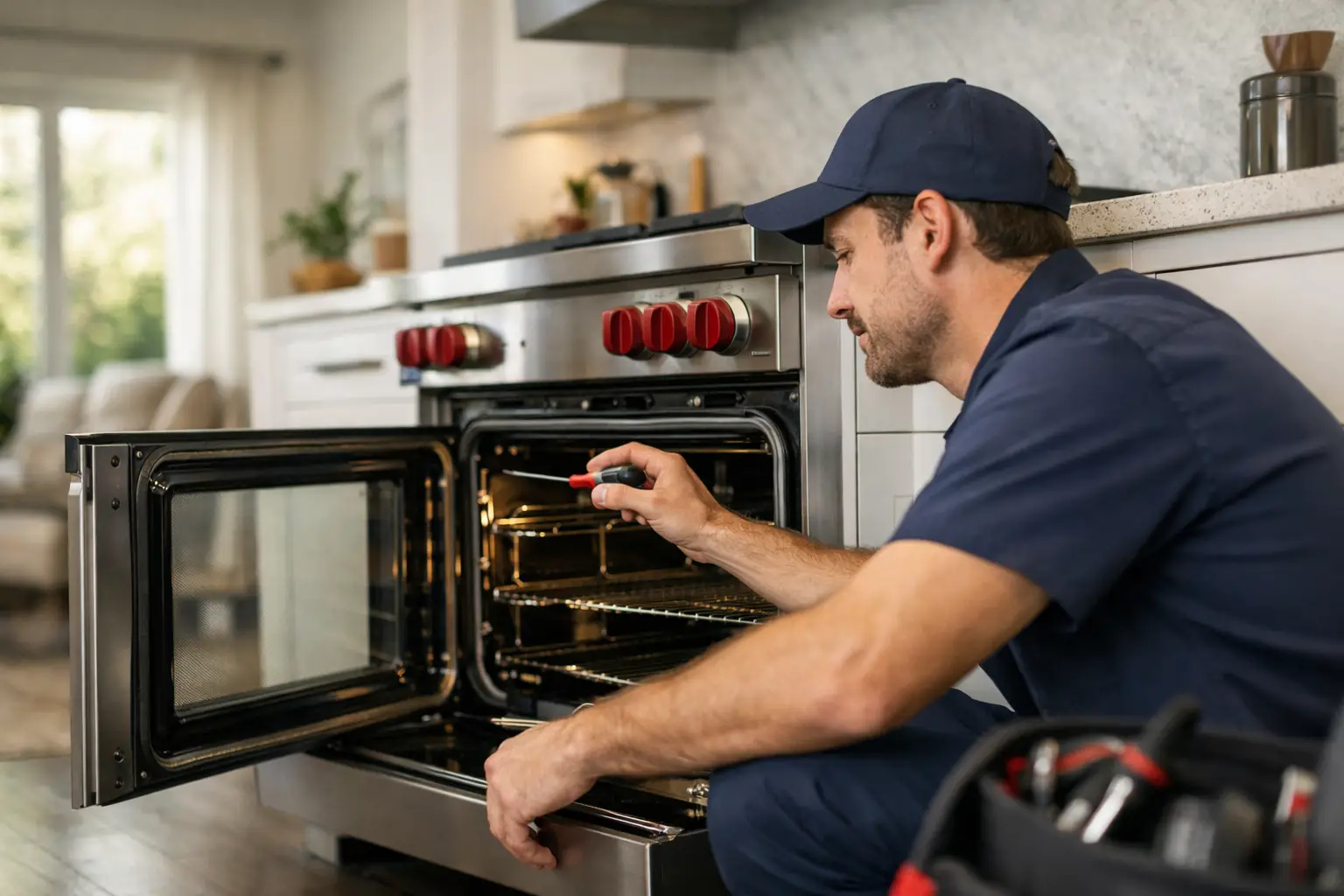





Why Your Dryer Takes Too Long Drying
If your dryer takes too long drying, this guide explains the usual causes, what you can check safely, and when it is time to call for repair.
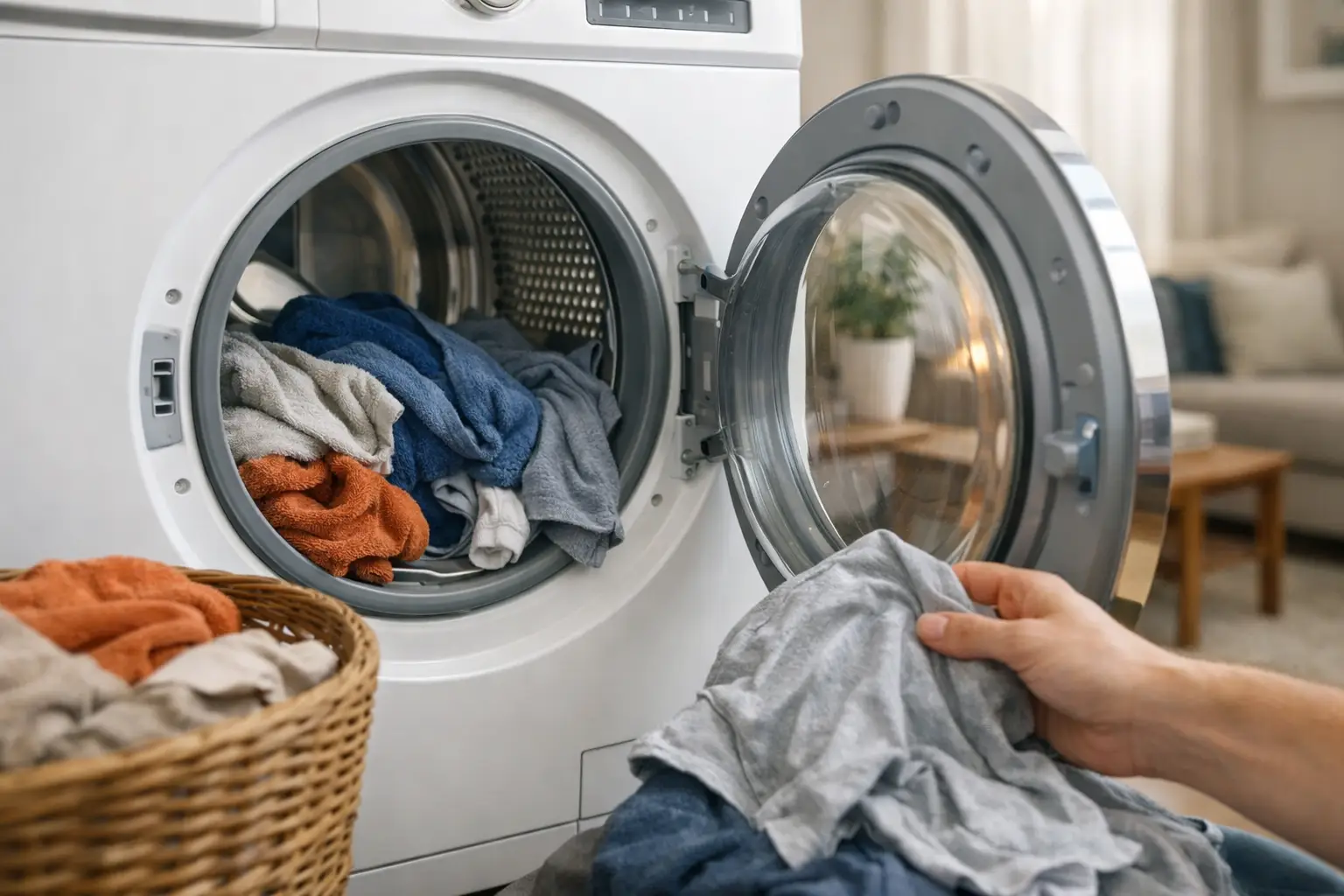
You load the dryer, wait a full cycle, and the clothes still feel damp. Then you run it again. That is usually the first sign your dryer takes too long drying, and something is not working the way it should. Sometimes the fix is simple. Sometimes a part has failed. Either way, long dry times waste time, raise your power bill, and put extra wear on clothes.
A dryer needs three basic things to dry well. It needs heat, airflow, and enough room for clothes to tumble. When one of those is off, drying time gets longer. The machine may still run, but it will not dry the load the way it should.
When a dryer takes too long drying, airflow is usually the first problem
The most common cause is poor airflow. Hot air has to move through the drum, pull moisture out of the clothes, and leave through the vent. If that airflow gets blocked, moisture stays trapped inside the dryer. The clothes get warm, but not dry.
Start with the lint screen. A full screen slows airflow right away. Even if you clean it often, fabric softener residue can build up on the mesh and make it harder for air to pass through. If the screen looks clean but feels a little waxy, wash it with warm water, dish soap, and a soft brush. Let it dry fully before putting it back.
Next, check the vent hose behind the dryer. If it is crushed, bent too sharply, or packed with lint, the dryer cannot breathe. This is common in tight laundry spaces, especially in condos and apartments. The machine gets pushed back too far and pinches the vent line.
Then look at the outside vent hood, if you can access it safely. When the dryer runs, the flap should open and blow out warm air. If it barely moves, lint may be stuck inside the vent line. Bird nests and debris can also block the outlet.
A clogged vent is not just a performance issue. It can also become a fire risk. If you notice a burning smell, a very hot dryer top, or clothes that seem hotter than normal at the end of the cycle, stop using the dryer until it is checked.
Load size matters more than people think
A dryer that is too full will take longer to dry. Clothes need space to move so hot air can reach all sides. If towels, jeans, and bedding are packed together, the outside of the load may dry while the center stays wet.
Mixed loads can also cause trouble. Heavy items hold moisture longer than light items. If you dry towels with T-shirts, the shirts may seem dry first, but the towels can keep the whole load damp. That can make it look like the dryer is weak when the load itself is the issue.
Try a medium-size load as a test. If it dries normally, overloading may be the main problem. If even a small load takes too long, the issue is likely mechanical or airflow-related.
Heat problems can make drying slow
If the dryer tumbles but does not get hot enough, dry time will stretch out. On an electric dryer, this often points to a heating element problem, a thermostat issue, or a power supply problem. On a gas dryer, it may be the igniter, gas valve coils, or another heating part.
Some homeowners say, “The dryer still gets a little warm, so the heat must be fine.” Not always. Weak heat can still feel warm to the touch, but it may not be strong enough to dry clothes in one cycle.
Electric dryers need full 240-volt power to heat correctly. In some cases, the drum will still spin if one side of the power is lost, but the heater will not work the way it should. That can happen after a tripped breaker or a wiring issue. It is worth checking the breaker panel first. If one breaker has tripped, reset it once. If it trips again, stop there and have it looked at.
Gas dryers can have a different pattern. They may heat for the first few minutes, then stop heating later in the cycle. That often points to failing gas valve coils. The dryer starts strong, then loses heat as parts warm up.
Moisture sensor and control problems
Many newer dryers use moisture sensors to decide when the load is dry. If the sensor is dirty or not reading correctly, the dryer can end the cycle too soon or run in a way that does not match the clothes inside.
The sensor is usually inside the drum, often near the lint filter housing. It looks like two small metal strips. Dryer sheet residue can coat the strips and affect the reading. Wiping them with a soft cloth and a little rubbing alcohol can help.
Control board problems are less common, but they do happen. If the timer acts strangely, the cycle ends too early, or settings do not respond correctly, the problem may not be the sensor alone. At that point, diagnosis matters because several different parts can cause similar symptoms.
The vent system in the wall may be the real issue
A lot of people clean the lint screen and even the short hose behind the dryer, but the full vent line inside the wall or ceiling never gets checked. In many homes and multi-unit buildings, that hidden section is where lint builds up the most.
This is one reason a dryer can seem fine after a quick cleaning, then go back to long dry times a week later. The blockage is deeper in the line. In some buildings, the vent path is longer, with more bends, and that makes the dryer work harder even when everything is technically connected.
If you live in West Hollywood, this comes up often in condos, older buildings, and laundry closets with limited space. The dryer may not be broken at all. It may just be fighting a restricted vent path every time you use it.
Signs the problem is more than basic maintenance
Some symptoms point to a repair issue, not just routine cleaning. If clothes are still wet after two cycles, that is a warning sign. If the dryer shuts off mid-cycle, makes unusual noises, smells hot, or takes much longer than it used to with the same kind of load, it should be checked.
Another clue is when the laundry room feels very hot and humid during drying. That usually means moisture is not leaving the vent system the way it should. You may also see lint collecting around the dryer or near the vent connection.
If your utility bill has gone up and the dryer has been running longer every week, that can be part of the same problem. A struggling dryer uses more time and more energy to do the same job.
What you can safely check yourself
You do not need to take the dryer apart to rule out the simple stuff. Clean the lint screen fully. Test with a smaller load. Make sure the cycle setting matches the fabric type. Check that the vent hose is not crushed. If your dryer is electric, check the breaker.
That is the safe limit for most homeowners and renters. Taking apart heating parts, thermostats, or internal wiring is a different job. Dryers combine heat, moving parts, and high voltage. Guessing can make the problem worse.
If you manage a rental or small multi-unit property, a slow dryer is worth handling early. Tenants often keep running extra cycles, which adds wear to the machine and can turn a small issue into a larger one.
When to call for dryer repair
If you have already cleaned the lint screen and checked the obvious vent issues, but the dryer still takes too long drying, the next step is a proper diagnosis. The trouble may be in the heating system, the thermostat, the sensor, the control, or the vent line beyond what you can reach.
A service visit is usually faster than trial and error. A technician can test airflow, check heat output, and inspect the parts that commonly fail. That matters because two dryers can show the same symptom for different reasons.
At Vertex Appliance Repair, we handle in-home dryer repair for homeowners, renters, landlords, and property managers in West Hollywood and nearby neighborhoods. The diagnostic fee is $69, and it is waived if you approve the repair. Completed repairs and installed parts are backed by a 90-day warranty.
If your dryer is taking two or three cycles to finish one load, do not wait for it to get worse. A dryer should dry clothes without wasting half your evening.
If your dryer is not heating or takes several cycles to dry a load, we can help. See dryer repair in West Hollywood or call 323-747-7098.
Related articles
Built In Refrigerator Versus Freestanding: Which Fits?
Sub-Zero Error 24 EC — Check the Condenser Before the Defrost Parts