




Appliance Repair for Landlords That Saves Time
Appliance repair for landlords should be fast, clear, and cost-aware. Learn what to fix, when to replace, and how to avoid tenant downtime.
A tenant calls at 7:10 a.m. The refrigerator is warm. Food is at risk. They want an answer now, not next week. That is why appliance repair for landlords is not just about fixing a machine. It is about keeping the unit working, keeping the tenant calm, and keeping the problem from getting more expensive.
Most landlords are not trying to become appliance experts. You just need to know when a repair makes sense, what basic checks matter, and how to handle the call without wasting time. In rental property, speed matters. So does clear pricing. So does choosing repair over replacement when the numbers work.
Why appliance repair for landlords is different
A broken appliance in your own home is annoying. In a rental, it can turn into missed work, tenant complaints, food loss, laundry backups, or a lease problem. The pressure is different.
Landlords also deal with a second issue. You are often hearing the problem through someone else. The tenant may say, “the washer is broken,” but that can mean very different things. It may not start. It may not drain. It may shake hard. It may leak only on large loads. Those details change the repair.
That is why good service starts with a clear symptom report. Not a guess. Not “it probably needs a new motor.” Just the actual behavior.
If you manage units in West Hollywood or nearby areas, this matters even more. Parking, access windows, tenant schedules, and building rules can slow down a simple job if nobody plans ahead.
The appliances that cause the most trouble
Refrigerators usually create the most urgency. If the fresh food section is warm, you may have a bad fan, a defrost problem, dirty coils, a faulty thermostat, or a sealed system issue. Some of those are repairable at a reasonable cost. Some are not. The first step is finding out which one you have.
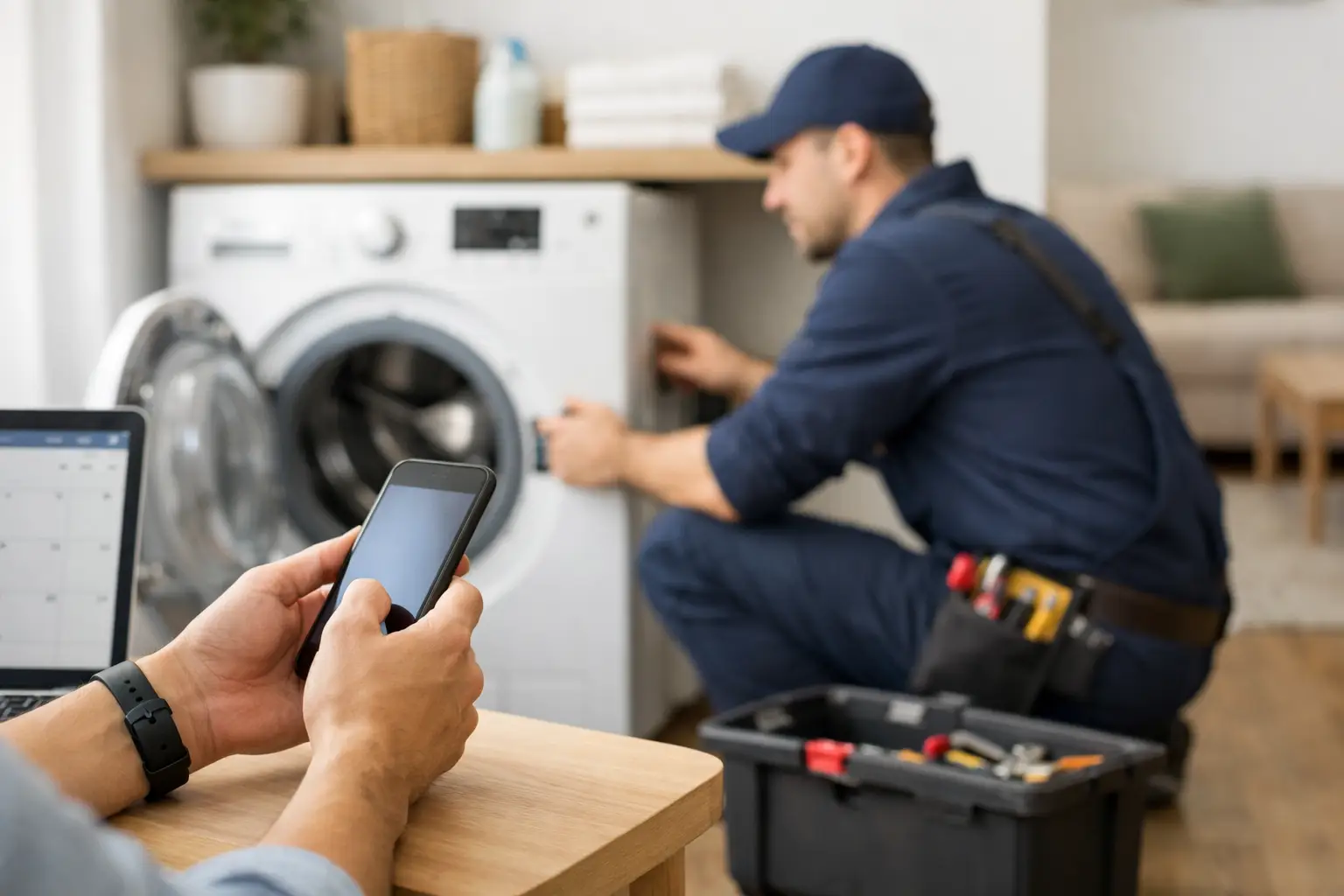
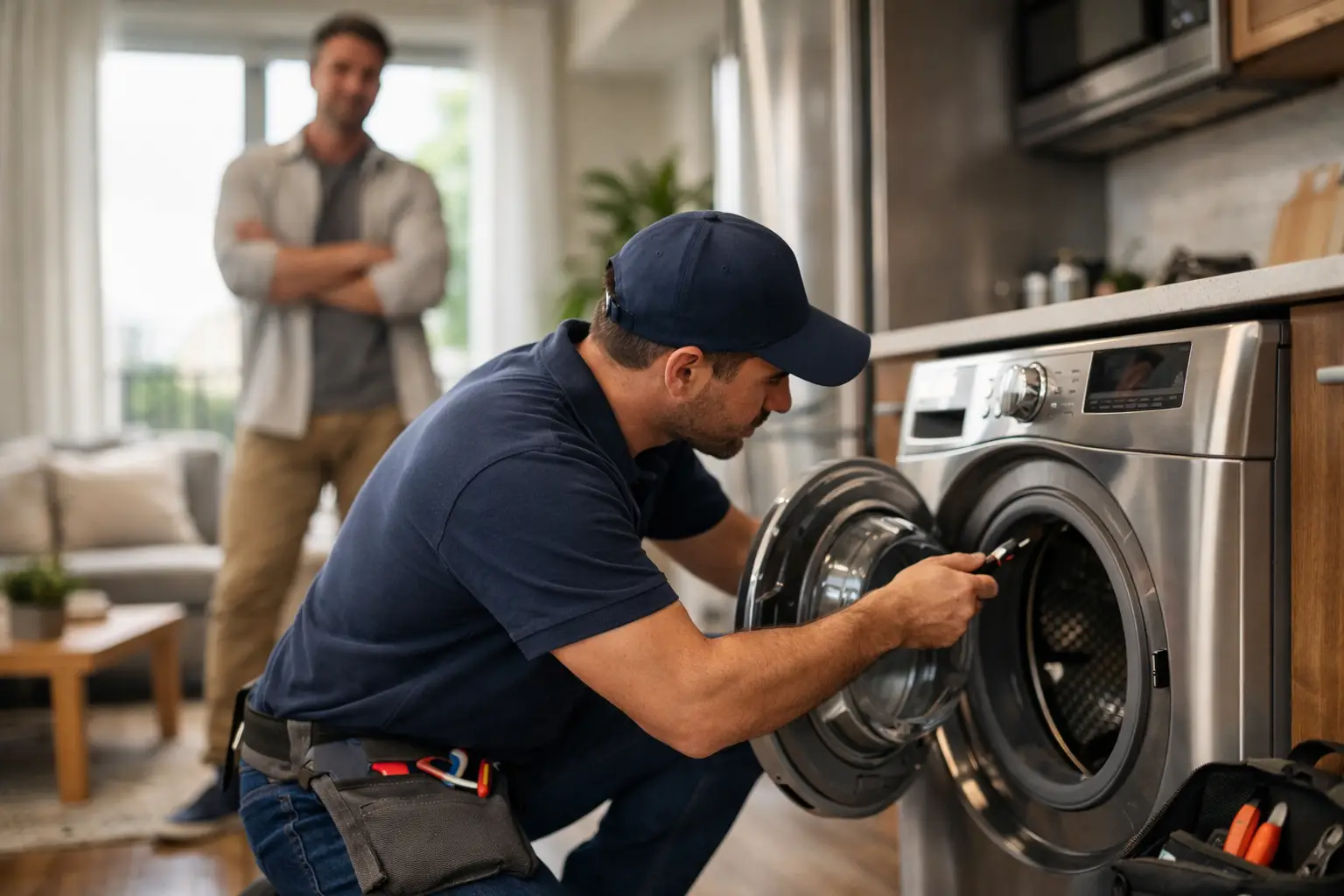
Washers are another common landlord call. The usual complaints are no drain, no spin, a locked door, or water left in the tub. Sometimes it is a clogged pump or a bad drain pump. Sometimes the load was uneven or the drain hose was installed wrong. A proper diagnosis matters because washer symptoms can overlap.
Dryers often get ignored until tenants complain that clothes take two or three cycles to dry. That can be a bad heater, a thermostat problem, or poor airflow. Poor airflow is the one landlords should take seriously. It raises dry time and can overheat parts.
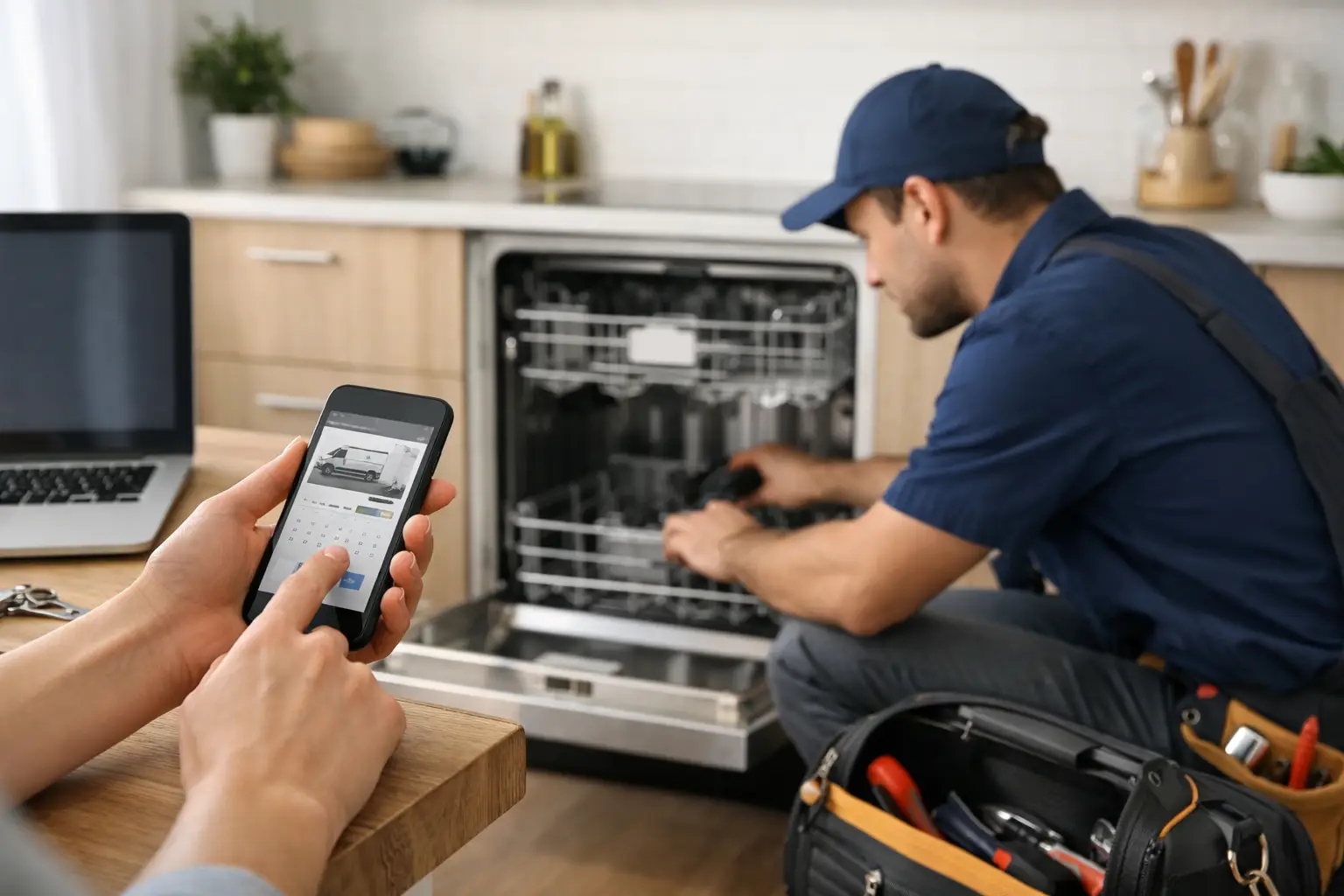
Dishwashers fail in less dramatic ways, but they still create friction. Water stays at the bottom. Dishes come out dirty. The unit leaks under the door. Many dishwasher repairs are worth doing if the machine is otherwise in good shape.
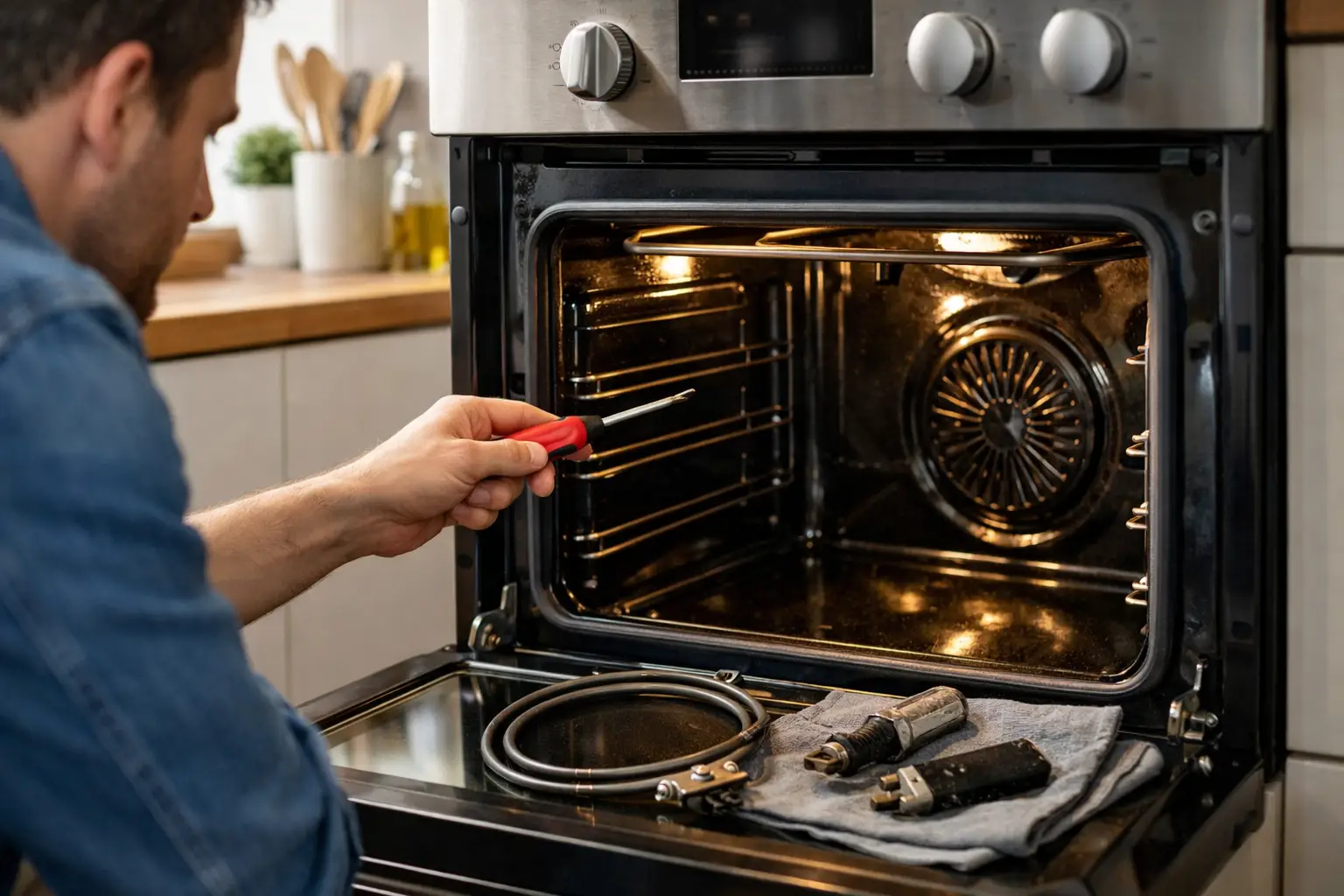
Ovens, ranges, and cooktops matter because they affect daily use right away. A burner that will not heat, an oven that will not reach temperature, or a gas ignition issue should be checked promptly. With cooking appliances, guessing is a bad idea.
What landlords should ask before booking service
You do not need a long checklist. You need the right facts.
Ask the tenant what the appliance is doing, not what they think is wrong. Ask when the problem started. Ask if there was a noise, smell, leak, or error code. Ask whether the unit still has power. Ask for a photo of the model number if possible.
These small details save time. They help the technician bring likely parts or rule out simple issues first.
It also helps to ask one practical question. Is the appliance fully empty and accessible? A stacked laundry unit blocked by storage, or a refrigerator packed wall to wall, can turn a quick repair into a delayed one.
Repair or replace depends on the real problem
Landlords often want a simple rule. Replace old units. Repair newer ones. That sounds clean, but real jobs are not always that simple.
A mid-age refrigerator with a failed fan motor may be worth repairing. An older refrigerator with a sealed system problem may not be. A dryer with a bad igniter or heating element is often a good repair. A washer with multiple issues and rust damage may be better replaced.
Parts cost matters. Labor matters. Appliance condition matters. So does tenant disruption. If a part is backordered and the tenant has no working fridge, replacement may be the better move even if repair is technically possible.
This is where honest diagnosis helps. You need to know the likely repair, the cost, and whether another major part is close to failure. Nobody can promise the future, but an experienced tech can usually tell when a machine is becoming a money pit.
Common mistakes landlords make
The first mistake is delaying the call. Small issues get bigger. A refrigerator that is running too warm can spoil food. A washer that drains slowly can turn into a leak. A dryer with bad airflow can burn through parts.
The second mistake is approving replacement too fast. Some landlords replace units that need a simple repair. That costs more than necessary, especially across multiple properties.
The third mistake is relying on tenant diagnosis. Tenants mean well, but “it needs Freon” or “the motor is dead” is usually just a guess. It is better to describe the symptom and let the technician test it.
The fourth mistake is poor access. If the unit cannot be reached, tested, or pulled out safely, the visit may take longer or need a second trip.
How to make appliance repair for landlords easier
Set one simple process for all units. Ask tenants for the same information every time. Appliance type. Brand if known. Model number photo if possible. Exact symptom. When it started. Any leak, smell, or error code.
Keep a record of previous repairs. This is useful with older appliances and multi-unit buildings where the same model appears in several apartments. If one common part has been failing, you start to see the pattern.
Use a local company that works in occupied homes and rental units. That sounds obvious, but it matters. Rental calls need good communication, realistic time windows, and clear approval before work starts.
For many landlords, the practical value is not just the repair itself. It is knowing the diagnostic fee, knowing when it is waived, and knowing whether the work comes with a warranty. For example, Vertex Appliance Repair charges a $69 diagnostic fee, and that fee is waived when the repair is approved. Completed repairs and installed parts also carry a 90-day warranty. Those details help landlords make a decision fast.
What tenants can check before a service visit
You do not want tenants taking machines apart. But a few safe checks can prevent wasted visits.
They can confirm the appliance has power. They can check whether a breaker has tripped. They can make sure a washer lid or door is fully closed. They can tell you if a refrigerator is cooling in one section but not the other. They can check whether the dryer lint screen is packed.
That is enough. Anything beyond basic observation is better left alone. This is especially true for gas appliances, built-in units, and anything leaking water.
Multi-unit properties need a faster decision path
In a single rental, one broken appliance is one problem. In a small multi-unit building, delays multiply. One waiting approval, one waiting parts, one waiting tenant access. Suddenly your week is full of appliance calls.
The fix is not complicated. Decide in advance who can approve repairs and up to what amount. If every job waits for two days of back-and-forth, downtime gets worse.
It also helps to standardize appliances where you can. If several units use similar laundry or kitchen models, parts and repair patterns become more predictable. That does not mean replacing everything at once. It means being practical when turnover happens.
Local service matters when timing is tight
A local repair company knows the access problems that come with apartments, condos, and smaller rental properties in places like West Hollywood, Beverly Hills, or the Fairfax District. That saves time on the day of service.
It also helps when the call is urgent but not a full emergency. You need a real appointment, a real diagnosis, and a repair plan you can approve without chasing answers. That is usually more useful than vague promises.
The best landlord repair calls are simple. The tenant gives a clear symptom. Access is ready. The appliance gets tested. You get a straight answer on repair versus replacement. Then you can move.
If you handle rentals long enough, appliance problems are not a question of if. They are a question of when. The goal is not to avoid every failure. The goal is to respond fast, spend wisely, and keep one broken machine from turning into a bigger property headache. If a refrigerator, washer, dryer, dishwasher, or oven starts acting up, deal with the symptom early and get a real diagnosis before the problem spreads.