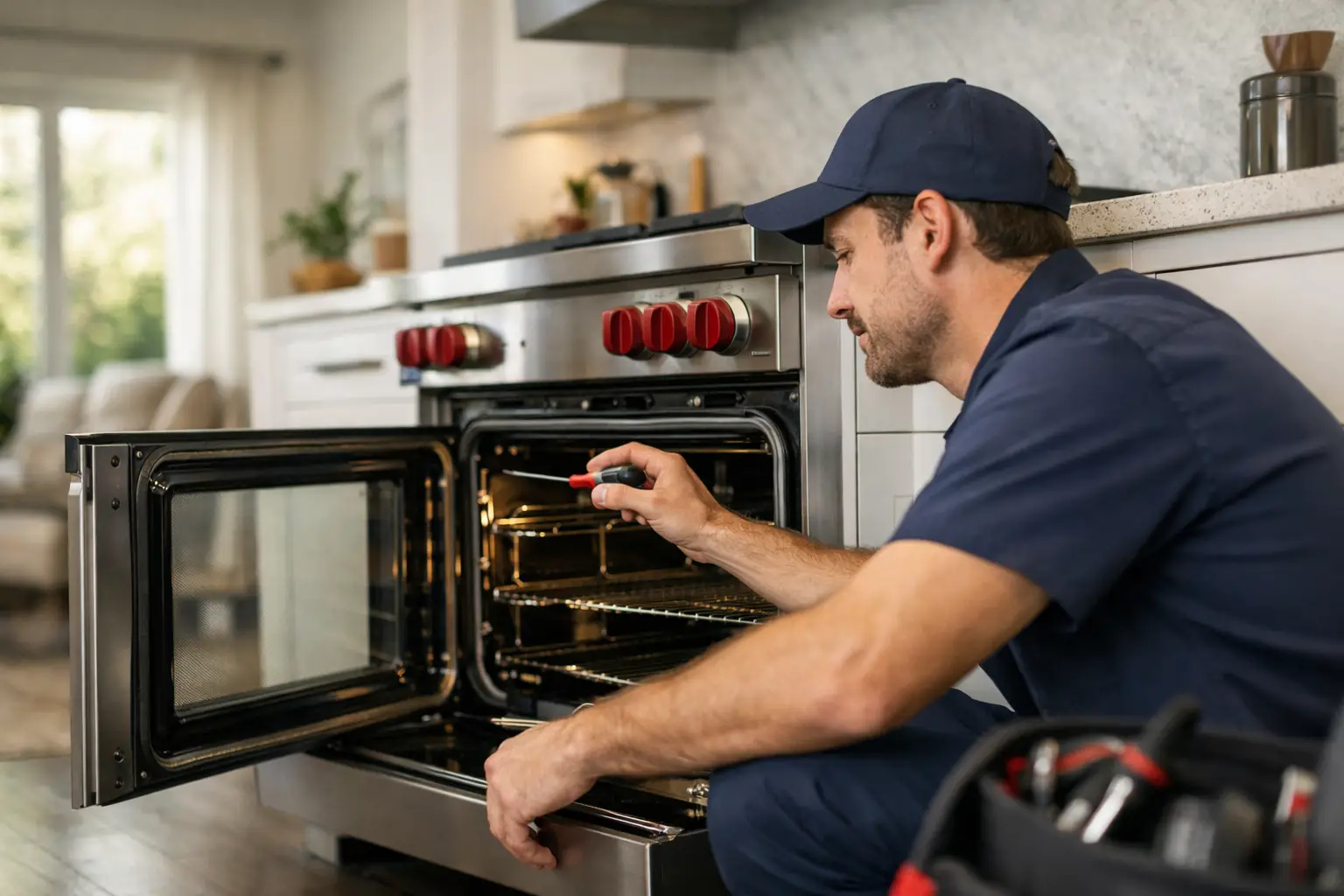





How to Schedule Refrigerator Repair Fast
Learn how to schedule refrigerator repair fast, what info to have ready, what to ask, and how to avoid delays for homes and rentals in West Hollywood.
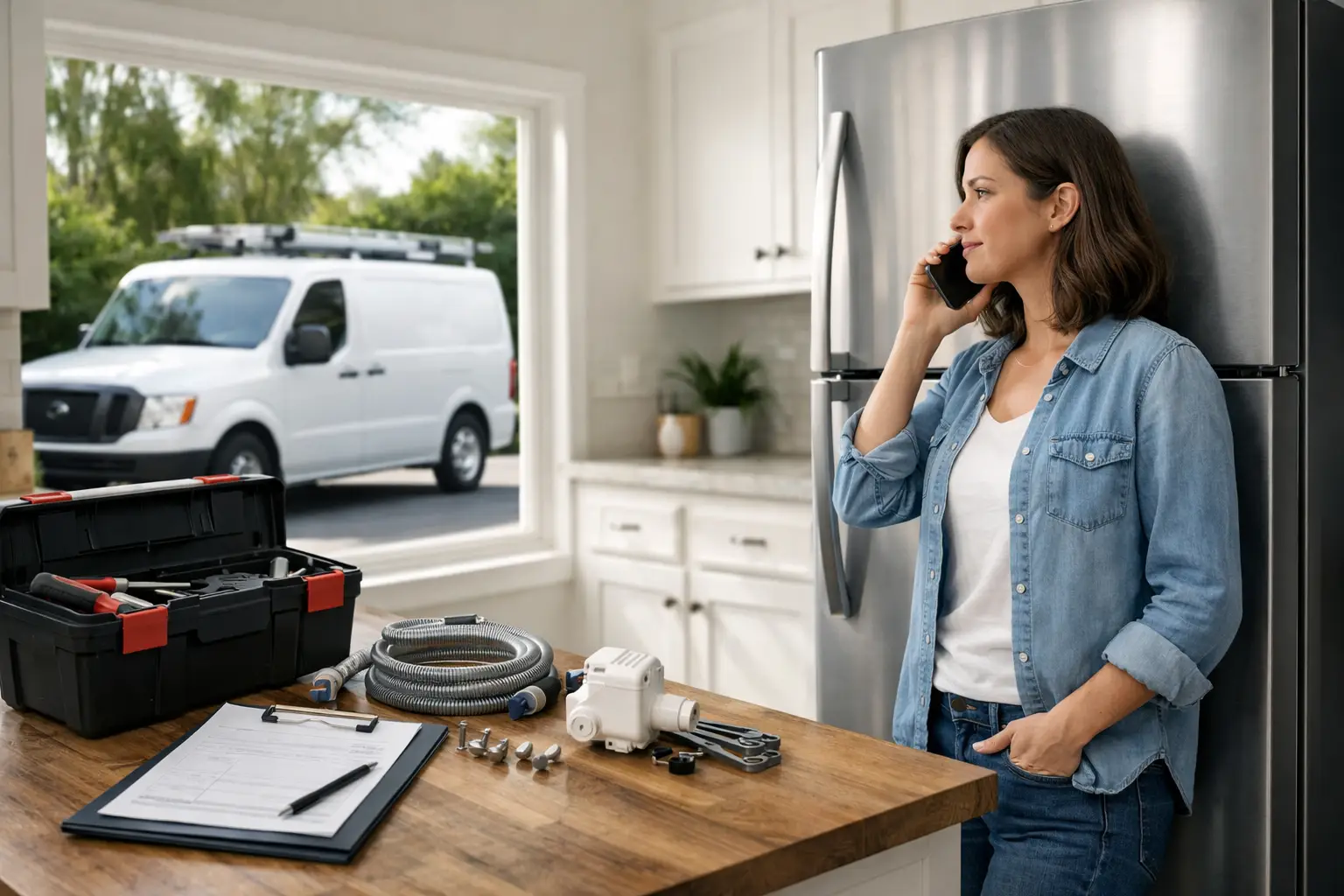
A warm fridge at 7 a.m. changes your whole day. Milk goes bad. Medications may be at risk. Tenants start calling. If you are wondering how to schedule refrigerator repair, the goal is simple. Get the right technician out fast, with the right information, and avoid extra delay.
Most people wait too long because they are not sure if the problem is serious. With a refrigerator, delay can cost you food and time. If the unit is not cooling, leaking, making loud new noises, or tripping the breaker, it is usually time to book service.
How to schedule refrigerator repair without wasting time
The fastest way to schedule service is to call when you already have the key details ready. That helps the office put your job on the right route and helps the technician show up prepared. If you are in West Hollywood or a nearby neighborhood, that can make a real difference when your refrigerator is full and the problem cannot wait.
Before you call, check the basic facts. Write down the brand, the model number, and the main symptom. If you can, note when the problem started. Also check if the interior light works, whether the freezer is still cold, and if there is water on the floor.
These details matter. A fridge that is warm in both sections is different from a fridge with a cold freezer and warm fresh food section. One may point to an airflow problem. The other may point to a compressor or sealed system issue. You do not need to diagnose it yourself. You just need to describe what you see.
What to have ready when you call
Keep it simple. The service desk usually needs your name, address, phone number, appliance type, brand, and a short description of the problem. If the refrigerator is built in, say that right away. If it is in a condo building with parking or elevator instructions, mention that too.
For renters, it also helps to know who is approving the repair. Some tenants call first, but the landlord or property manager has to approve the work. That can slow things down if nobody says it at the start. If you manage a unit, tell the company whether the tenant will be there or if they need to coordinate access with you.
If the refrigerator is in a small multi-unit property, mention that as well. Access, gate codes, loading zones, and tight kitchen layouts all affect timing.
Signs you should book refrigerator repair now
Some problems can wait a day. Some should not. If the fridge is above safe temperature, food can spoil quickly. If you hear clicking and no cooling starts, the unit may not recover on its own. If you see water leaking onto wood floors, you also do not want to wait.
Call sooner if you notice a burning smell, repeated breaker trips, or heavy frost building up where it was not there before. Those are not normal changes. They may point to a part failure that gets worse with time.
A weak cooling problem is also worth scheduling early. Many people wait because the refrigerator still feels a little cold. Then the unit fully stops the next day. If you catch it when cooling first becomes uneven, the repair process is often easier to manage.
A few checks you can do before booking
Make sure the outlet has power. Check that the temperature settings were not changed by accident. Look for blocked vents inside the fridge. If the condenser area is packed with dust, that can affect cooling on some models. Also check that the doors are closing all the way.
That said, do not spend hours trying home fixes. If the food section is warming up, the freezer is frosting over, or the compressor area is making harsh noise, it is usually better to schedule service than keep guessing.
What to ask when you schedule refrigerator repair
A good scheduling call should be clear. You should know the diagnostic fee, when the technician can come, and what happens if you approve the repair. That keeps the process simple.
Ask if the company works on your brand and your type of refrigerator. Standard top-freezer models, French door units, side-by-side units, built-in refrigerators, and wine coolers do not all have the same common failures. It is fine to ask if they handle your setup regularly.
You should also ask how the diagnostic charge works. At Vertex Appliance Repair, the diagnostic fee is $69, and it is waived if you approve the repair. That is useful to know before the appointment is booked. You should also ask about warranty coverage. Completed repairs and installed parts come with a 90-day warranty.
If timing matters, ask for the appointment window and whether parts are commonly stocked for your brand. No honest company can promise every repair on the first visit. It depends on the exact failure and the model. But a clear answer helps you plan.
Questions that help avoid delays
A few questions can save a lot of back and forth. Ask if the model number is needed before the visit. Ask if someone over 18 needs to be present. Ask whether the fridge should stay plugged in unless there is smoke, sparks, or a strong electrical smell.
For landlords and property managers, ask how estimates and approvals are handled. If the office needs owner approval after diagnosis, say who should receive the call or text. That one step can prevent a one-day repair from turning into a three-day repair.
How to prepare for the appointment
Once your refrigerator repair is scheduled, make the unit easy to access. Clear the area in front of the fridge. Remove items stored on top if they could fall. If the technician may need to pull the unit out, make sure pets and small children are away from the area during the visit.
If cooling has already failed, move food to another refrigerator or an ice chest as soon as you can. Do not wait for the service window if temperatures are rising. For some people, this matters even more with baby formula, insulin, or other temperature-sensitive items.
It also helps to keep a short note of what the fridge has been doing. Maybe it clicks every few minutes. Maybe the freezer works at night but not during the day. Maybe the fresh food section is warm after the doors stay shut. Small pattern details can help the technician narrow down the issue faster.
How scheduling works for rentals and managed properties
Refrigerator repair in a rental is often more about coordination than diagnosis. The machine may be simple. The delay comes from access, approval, or missed communication.
If you are a tenant, ask your landlord or manager whether they want you to book the appointment directly or report the issue first. If you are the owner or manager, give the tenant a clear window, and make sure the service company has the right contact person. If there is a building entry code, reserved parking rule, or service elevator schedule, share it when booking, not after arrival.
In busy areas like Beverly Hills, Hollywood, Fairfax District, Melrose Area, Beverly Grove, Miracle Mile, Hancock Park, Mid-Wilshire, and Hollywood Hills West, small access details can affect how quickly a visit goes. Good scheduling is not just picking a time. It is making the visit possible without surprises.
When repair makes sense and when it may not
Not every refrigerator should be repaired. If the unit is very old, has repeated major failures, or has a sealed system problem with poor part availability, replacement may be the better move. A good technician should tell you that plainly.
But many refrigerator problems are still worth fixing. Bad fans, defrost failures, thermostats, door gasket issues, ice maker problems, control board faults, and drain clogs are common. The real answer depends on the model, the part cost, and the condition of the unit overall.
That is another reason to schedule early. You get clear information before food loss gets worse or before a small issue turns into a larger one.
If your refrigerator is acting up, do not wait for a full breakdown to make the call. A short, clear scheduling call now is usually the fastest way to protect your food, your time, and your kitchen routine.
Related articles
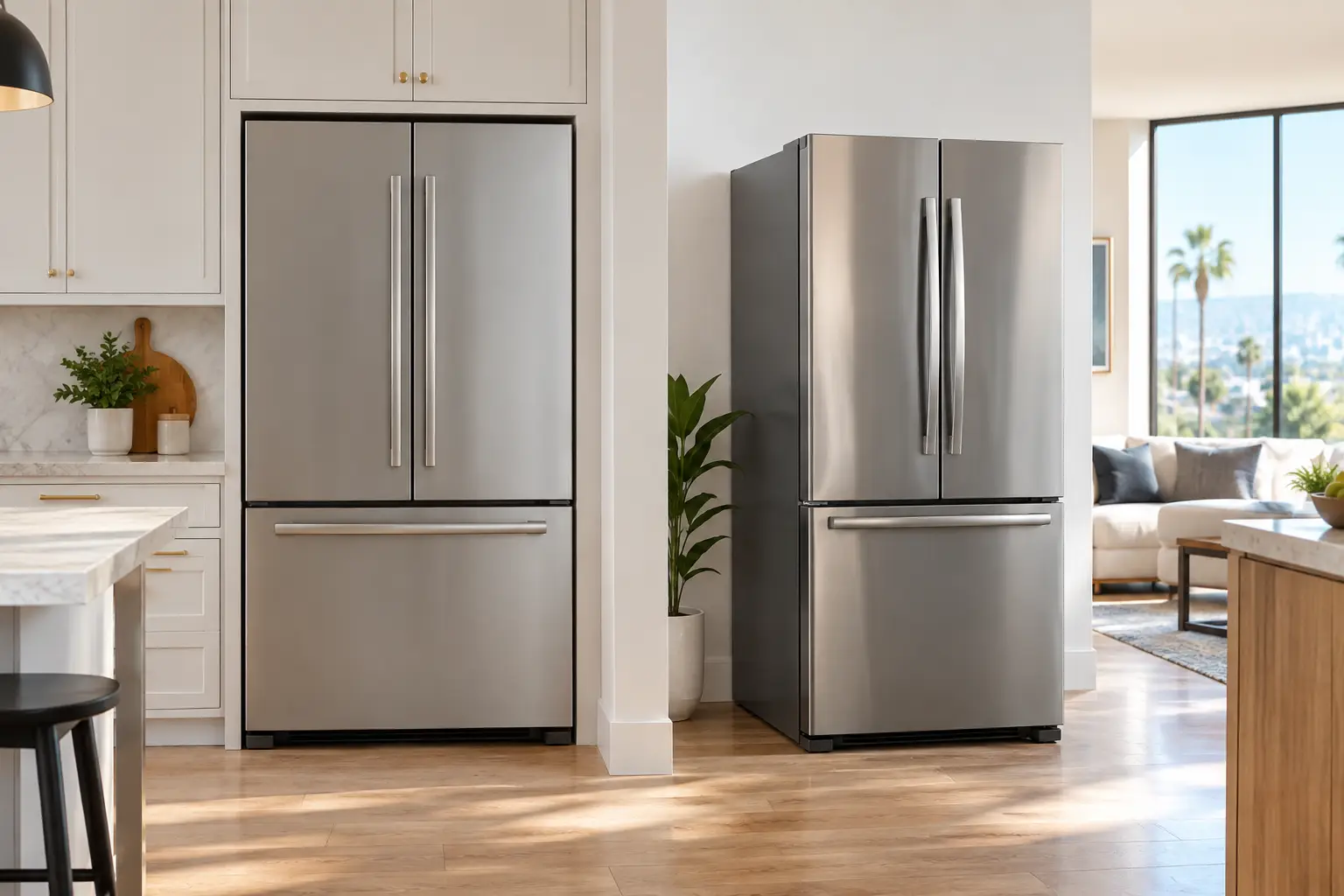
Built In Refrigerator Versus Freestanding: Which Fits?
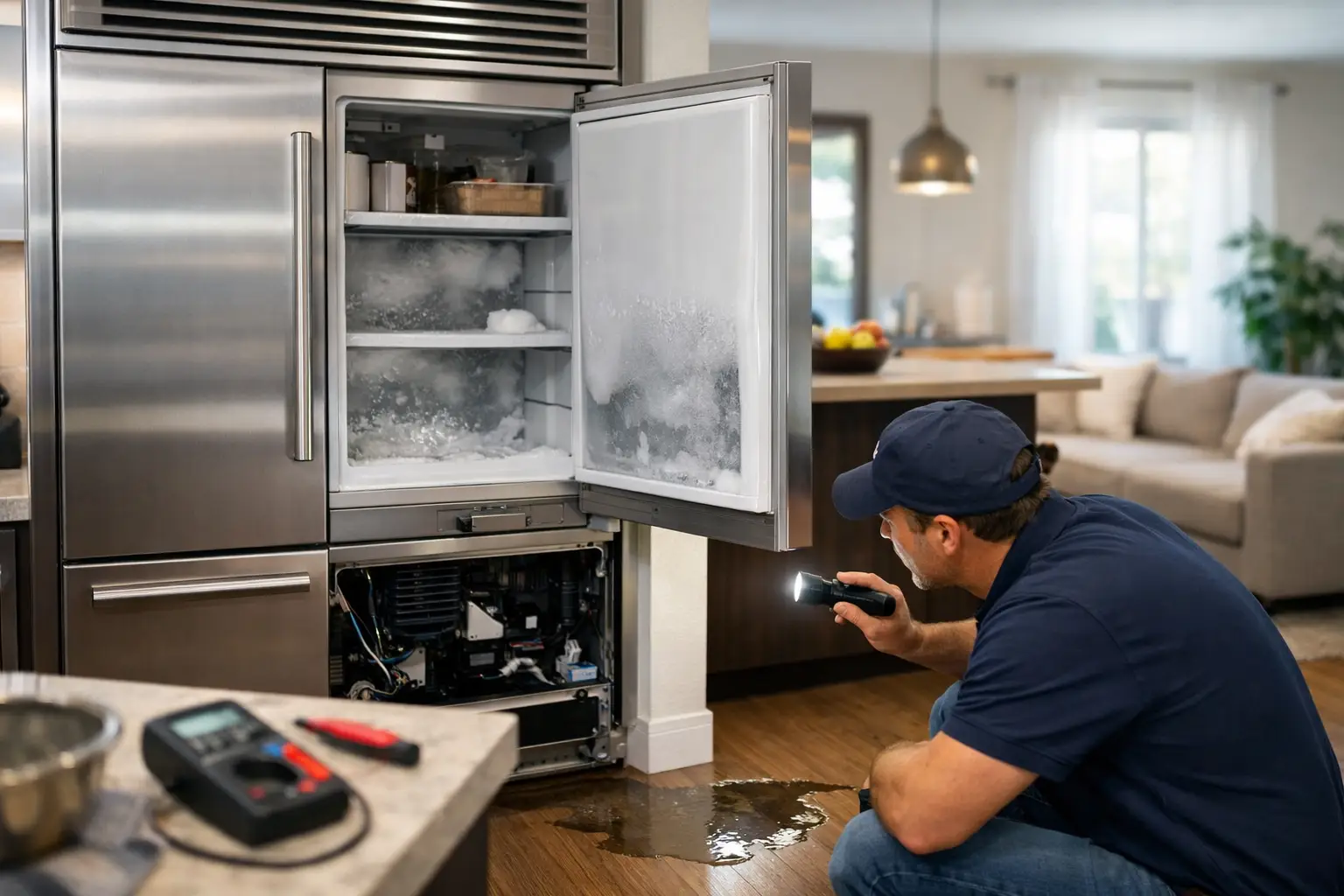
Sub-Zero Error 24 EC — Check the Condenser Before the Defrost Parts