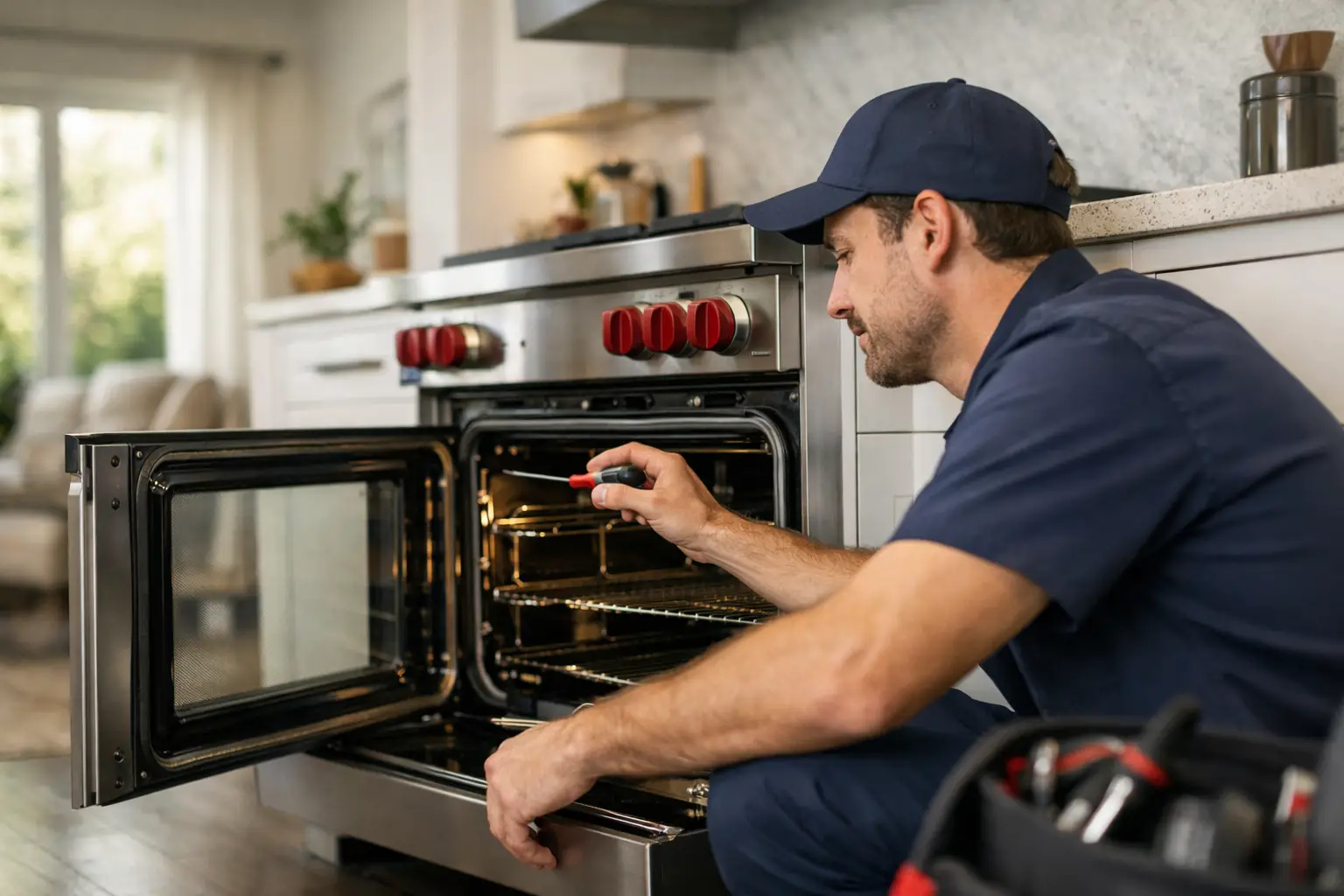





Sub Zero Refrigerator Repair Signs to Watch
Sub zero refrigerator repair starts with the right diagnosis. Learn common signs, likely causes, and when to call for in-home service in West Hollywood.
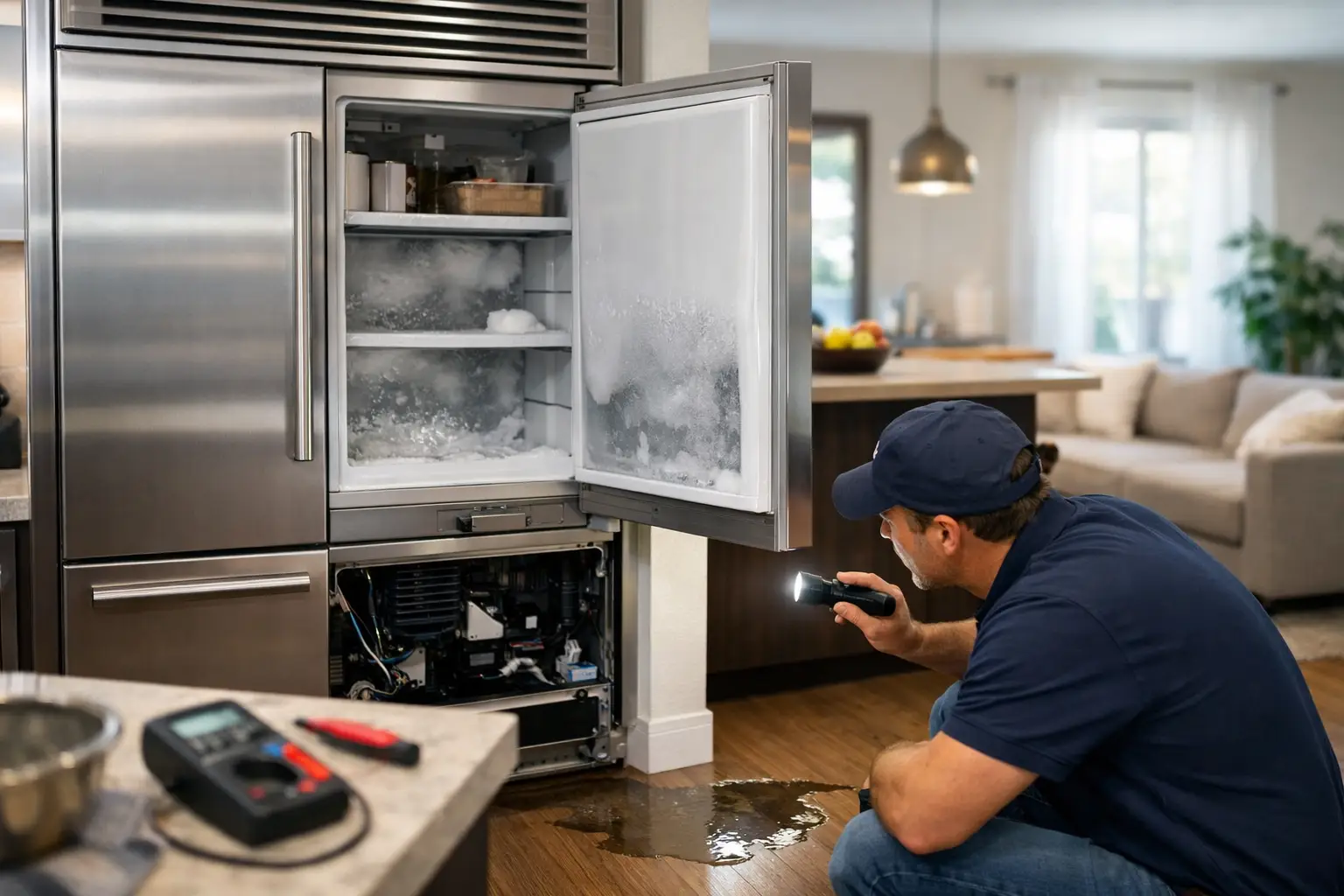
A Sub-Zero fridge usually gives you warning signs before it fully stops cooling. You may hear a fan that sounds wrong. You may see water under the unit. You may notice milk going bad too fast. When people call about sub zero refrigerator repair, the main problem is often not the whole fridge. It is one part that is failing and making the system work harder.
That matters because Sub-Zero units are built-in, expensive, and not simple to move. Waiting too long can turn a smaller repair into food loss, water damage, or a bigger parts bill. If the temperature feels off, it is better to check it early.
Common sub zero refrigerator repair problems
The most common complaint is poor cooling. The refrigerator section may feel warm while the freezer still seems okay. Or the freezer may start making soft ice cream instead of hard ice. In many cases, this points to an airflow problem, a dirty condenser, a bad fan motor, or a sealed system issue.
Another common issue is water leaking. Sometimes the drain is blocked with ice or debris. Sometimes the problem is around the ice maker or a water line connection. On built-in units, even a small leak should be taken seriously because water can spread under cabinets and floors before you see the full mess.
Noise is another one. A Sub-Zero is not silent, but it should not make loud buzzing, clicking, grinding, or squealing sounds. A fan blade can hit ice. A motor bearing can wear out. A compressor relay can click when the unit is trying and failing to start.
Temperature swings also show up a lot. Food freezes in the fresh food section. The freezer gets too warm in the afternoon. The display may look normal, but the inside does not match the setting. That can come from a sensor problem, a control issue, or weak airflow between sections.
What you can check before calling
Start with the simple things. Make sure the doors are closing all the way. A torn gasket, which is the rubber seal around the door, can let warm air in all day. If shelves or food containers block the door, the fridge may run nonstop and still not hold temperature.
Next, check the condenser area if it is easy to access. On many Sub-Zero units, dirty condenser coils are a real issue. Dust, pet hair, and kitchen grease build up over time. When that happens, the fridge cannot release heat well. It runs longer, cools worse, and puts extra strain on parts.
Also look at the control settings and the inside vents. If vents are blocked by groceries, cold air cannot move the way it should. That can make one shelf warm and another shelf too cold. It can feel like a major breakdown when it is really an airflow restriction.
If there is leaking, check whether the water filter was recently changed or if the unit was moved. A small shift can loosen a fitting. Still, if water is coming from inside walls, from below the built-in frame, or keeps returning after cleanup, stop there and have it checked.
Signs the problem is not a DIY job
Some issues look simple but are not. If the compressor is hot and the fridge is not cooling, that is not a good DIY project. If the evaporator is packed in ice, there may be a defrost failure, but the cause could be the heater, sensor, control board, or wiring. Replacing one part without testing the others can waste time and money.
Sub-Zero units also use brand-specific layouts and built-in designs. Access is tighter than on many freestanding refrigerators. Panels, trim, and ventilation matter. You do not want cabinet damage from guesswork.
A few warning signs mean it is time to call for service soon. The fridge is running all day. The freezer temperature is rising. You hear repeated clicking. You smell something electrical. The unit trips a breaker. Those are signs to stop experimenting.
Why Sub-Zero repairs need the right diagnosis
With refrigerators, the symptom and the cause are not always the same thing. Warm food does not always mean a bad compressor. Frost does not always mean a door was left open. Water on the floor does not always mean the drain is clogged.
That is why diagnosis matters more than swapping parts. A technician should check temperatures, fans, frost pattern, drain function, and electrical readings before naming the failed part. On higher-end built-in units, that step saves a lot of trouble.
For example, a bad evaporator fan can make the refrigerator section warm. So can a control board issue. So can heavy frost around the evaporator. The customer sees one symptom. The repair can be three very different jobs.
Repair or replace?
This comes up often with older built-in refrigerators. The answer depends on the problem, the age, the parts cost, and how the unit has been running lately. A fan motor, ice maker issue, gasket problem, or drain problem usually makes sense to repair if the rest of the fridge is in decent shape.
A sealed system problem is a bigger decision. That means the cooling system itself may have a leak, restriction, or compressor issue. Those repairs are more involved. They can still be worth doing on a Sub-Zero, but it depends on the model and overall condition.
Built-in replacement is also not cheap or simple. Cabinet fit matters. Panel fit matters. Delivery and install are part of the real cost. So the cheapest-looking option is not always the lowest total cost.
What to expect from an in-home service visit
A good service visit should start with the actual complaint, not a guess. Is the fresh food section warm? Is the freezer fine? Is there frost on the back wall? Is the noise constant or on and off? Small details help narrow it down fast.
After that, the technician should inspect the unit, test key parts, and explain the likely cause in plain English. If a repair is approved, the $69 diagnostic fee is waived. That helps when you already know you need the problem fixed and do not want to pay twice.
It also helps to ask about warranty coverage on the completed repair. Vertex Appliance Repair offers a 90-day warranty on completed repairs and installed parts. That gives some peace of mind, especially on a built-in refrigerator where access and labor are a bigger part of the job.
Built-in refrigerator issues in condos and rentals
In West Hollywood, built-in refrigerators show up in condos, apartment units, and upgraded rental properties all the time. That changes the repair situation a little. Access can be tighter. Parking and building entry can slow things down. Property managers and tenants usually want a clear time window and a fast answer because food loss starts right away.
For landlords and managers, the biggest mistake is waiting for a total failure. If a tenant says the fridge is louder, warmer, or leaking, that is already enough reason to schedule service. Small cooling problems do not stay small for long.
For renters, it helps to stop overfilling the unit and keep the area around the vents clear while waiting for service. That will not fix a bad part, but it may help the fridge hold temperature a little better until the appointment.
How to help your Sub-Zero last longer
The biggest simple step is condenser cleaning. Built-in refrigerators need proper airflow, and dirty coils make them run hot. Regular cleaning lowers strain on the cooling system and can prevent some no-cool calls.
Door gaskets also matter more than people think. If the seal is weak, moisture gets in, frost builds up, and the fridge has to run longer. If you see tears, gaps, or moisture around the door edge, have it looked at.
Try not to ignore small changes. If the fridge suddenly sounds different, starts freezing produce, or cannot keep a stable temperature, that is the right time to schedule service. Early repair is usually simpler than waiting for a shutdown.
If your Sub-Zero is acting up, the goal is not to guess the part. The goal is to catch the problem before it affects your food, your cabinets, or your schedule. A clear diagnosis and a straightforward repair plan usually save more trouble than waiting one more week. For service in West Hollywood and nearby neighborhoods, call 323-747-7098.
Related articles
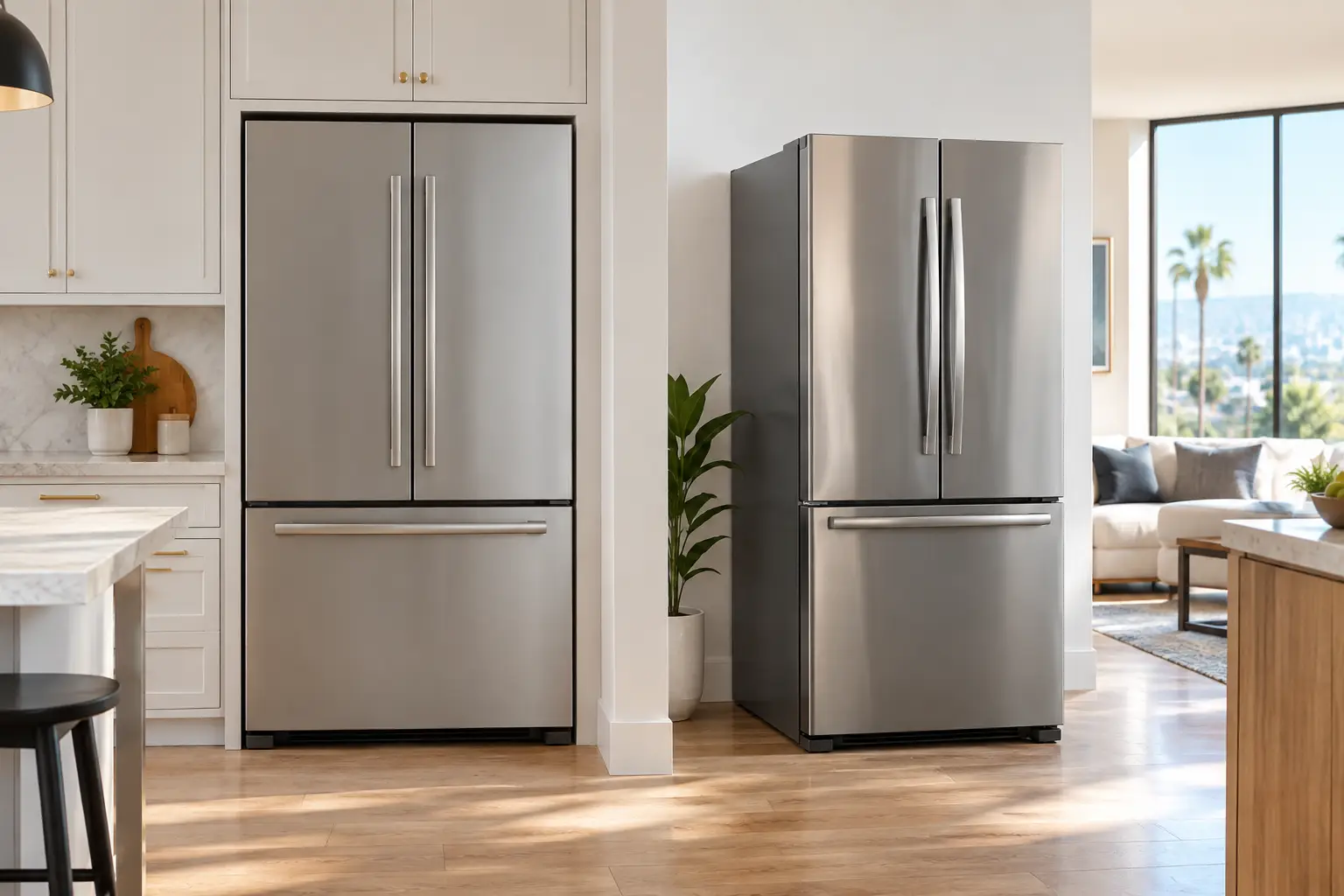
Built In Refrigerator Versus Freestanding: Which Fits?
Sub-Zero Error 24 EC — Check the Condenser Before the Defrost Parts