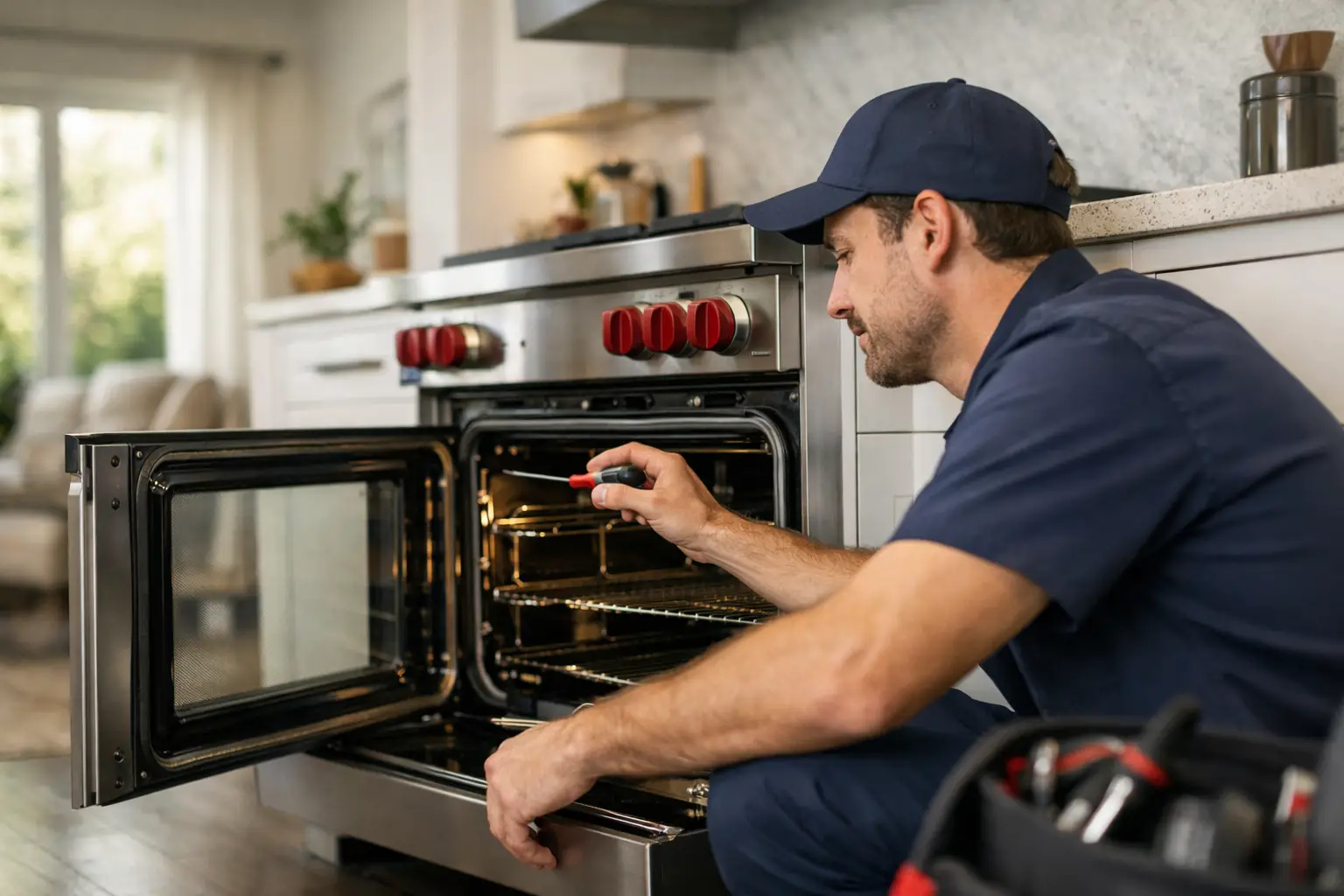





Tenant Appliance Repair Responsibilities
Learn tenant appliance repair responsibilities, when a renter may pay, when a landlord should fix it, and how to avoid delays and disputes.
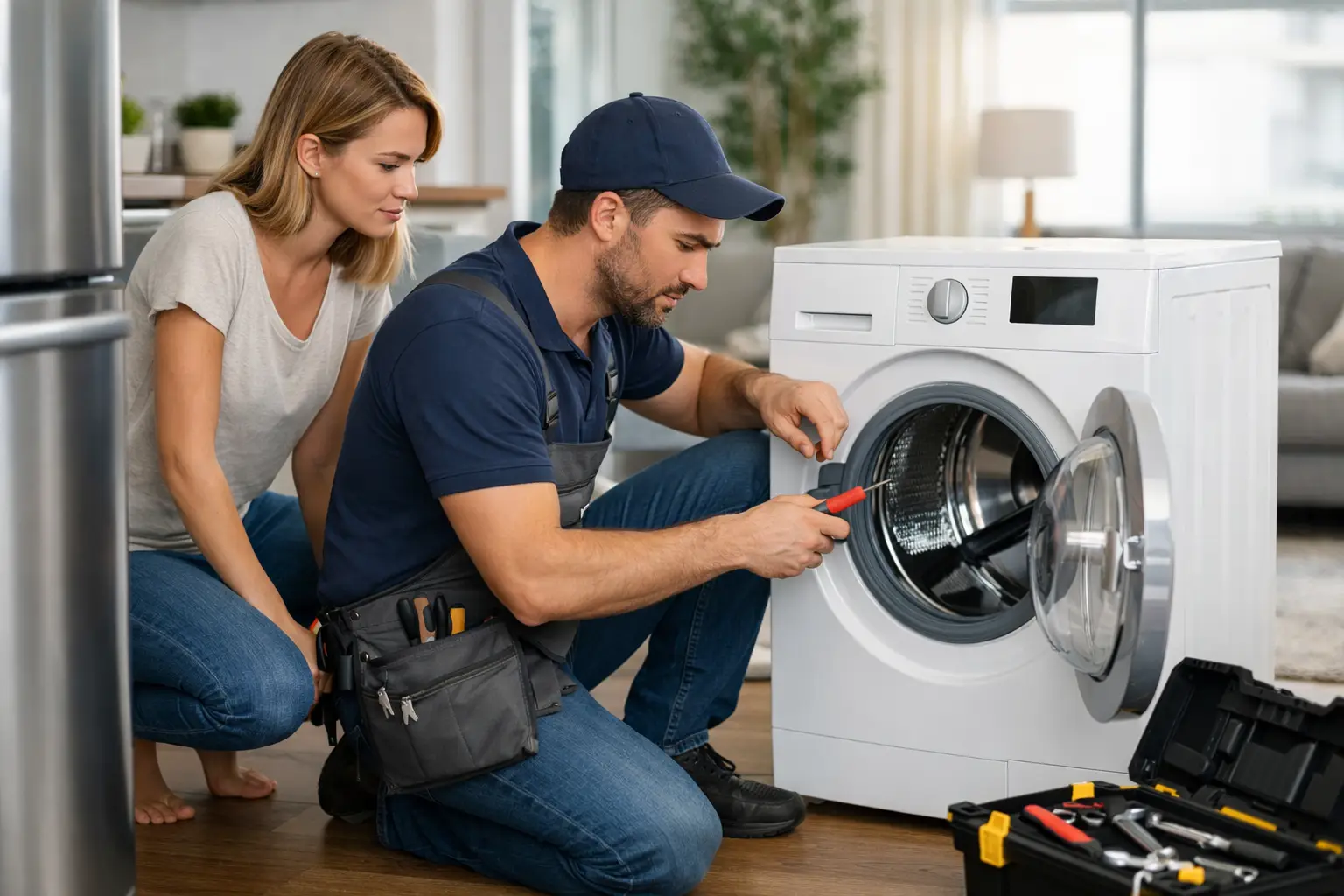
A fridge stops cooling on a Sunday night, or the washer starts leaking before work on Monday. That is when questions start. Who pays? Who calls? What if the tenant caused the problem? Tenant appliance repair responsibilities are not always simple, and most problems come down to three things: the lease, the cause of the damage, and how fast the issue is reported.
If you are a tenant, landlord, or property manager, it helps to sort this out early. Waiting too long usually makes the repair bigger, more expensive, and more frustrating for everyone.
What tenant appliance repair responsibilities usually mean
In many rentals, the landlord owns the appliance and the tenant uses it. That sounds simple, but repair responsibility depends on what failed and why. If a refrigerator, oven, dishwasher, washer, or dryer stops working because of normal wear, the landlord is usually the one who handles the repair. Normal wear means the appliance failed from age or regular use, not from misuse.
If the tenant caused the problem, the answer can change. A broken shelf from rough handling, a clogged washer drain from coins and heavy debris, or a range knob snapped off by force may become the tenant’s responsibility. The same can happen if the tenant ignored a small issue and let it turn into a larger one.
The lease matters a lot here. Some leases say the landlord maintains all provided appliances. Others place certain items or minor maintenance on the tenant. You have to read the exact wording, because one sentence in the lease can decide who pays.
Start with the lease, then look at the cause
The first thing to check is whether the appliance is included with the rental. If the landlord provided it as part of the unit, that usually points toward landlord responsibility for repair or replacement when the failure is not the tenant’s fault.
If the appliance belongs to the tenant, the tenant usually handles the repair. This is common with personal washers, dryers, or small wine coolers in some units. A landlord is not normally expected to repair an appliance they do not own.
After ownership, the next question is cause. A dishwasher pump that fails after years of use is different from a dishwasher damaged by putting hard objects into the filter area. A dryer that quits because a part wore out is different from a dryer with a crushed vent caused during a move-in. The details matter.
This is one reason clear reporting helps. If the tenant says, “The freezer is warm and making a clicking sound,” that gives a useful starting point. If the report comes two weeks late and all the food is spoiled, now everyone is arguing about what happened first.
Common appliance problems and who may be responsible
Refrigerator and ice maker issues
If a refrigerator stops cooling, runs constantly, leaks water, or makes unusual noise, that is often normal mechanical failure. The landlord usually handles that if the fridge came with the unit. If the issue came from a simple tenant mistake, such as blocking air vents with overpacked food or leaving the door open, it may not be a repair issue at all.
Ice maker problems can go both ways. A failed valve or broken internal part is usually a repair matter. A clogged filter, poor installation of a tenant-added water line, or damage from forcing ice out of the bin may shift responsibility.
Washer and dryer problems
Washer repairs often depend on what is found inside the machine. A pump failure from age is one thing. A drain pump jammed with coins, nails, pet items, or thick rugs is another. Dryers are similar. A failed heating part may be normal wear. A dryer that overheats because the lint was never cleaned can raise questions.
That does not mean every clog or jam is automatically the tenant’s fault. Machines fail on their own too. But if the service call shows clear misuse, the landlord may charge the tenant.
Oven, range, and cooktop problems
An oven that will not heat, a burner that will not turn on, or a control board that stops responding is often a normal repair issue. But cracked glass from impact, broken knobs from force, or damage from foil placed where it should not be can be treated differently.
This is where photos help. If a tenant reports damage right away, the landlord can make a better decision. If no one documents it, the conversation gets harder fast.
Dishwasher problems
Dishwashers fail from worn pumps, bad motors, broken latches, and electrical faults. Those are common repairs. But dishwashers also get blocked by food buildup, labels, glass pieces, and wrong soap. If the machine was used in a way it should not be used, the tenant may end up paying for the service visit.
Tenant duties that are easy to miss
A tenant does not usually have to fix a landlord-owned appliance, but tenants do have basic duties. The big one is reporting problems quickly. Small symptoms matter. Warm fridge sections, water under a washer, burning smell from a dryer, or a dishwasher that does not drain should be reported right away.
Tenants also need to use appliances in a normal way. That means cleaning lint filters, not overloading machines, not slamming doors, and not trying risky DIY repairs. Pulling apart a refrigerator panel or forcing a jammed range knob can turn a simple repair into a bigger one.
Access matters too. If a repair is scheduled, the technician needs a clear path to the appliance. In apartment buildings and condos, delays sometimes happen because no one can enter the unit, move items, or approve the work.
Landlord and property manager duties
Landlords and property managers should respond fast once they know about the problem. Even if the lease is clear, waiting too long can make the damage worse. A leaking dishwasher can affect cabinets and flooring. A weak refrigerator can lead to food loss. A dryer issue can become a safety issue.
It also helps to use one repair process for every unit. Tenants should know who to call, what photos to send, and whether they should stop using the appliance. Clear instructions prevent repeat calls and confusion.
For managers of small multi-unit properties in West Hollywood, speed matters because appliance downtime affects daily routine. One bad washer or refrigerator can disrupt the whole unit. It is usually cheaper to diagnose the problem early than to wait for a complete failure.
When the answer is not clear
Some cases fall in the middle. A tenant says the washer started making noise months ago but kept using it. The landlord says the delay caused more damage. Or a refrigerator shelf breaks, and no one knows whether it was already weak. These are the situations where people argue because both sides have part of the story.
That is why a good service diagnosis matters. A technician can often tell whether a part failed from age, wear, impact, blockage, or misuse. Not every problem has a perfect answer, but a clear diagnosis usually settles the question faster than guessing.
At Vertex Appliance Repair, the diagnostic fee is $69, and it is waived if the repair is approved. Completed repairs and installed parts also carry a 90-day warranty. For landlords, tenants, and property managers, that helps remove some of the uncertainty when a unit appliance suddenly stops working.
How to avoid disputes before they start
Most appliance disputes are preventable. The lease should state which appliances are included and who handles repairs. Move-in photos help. Written reporting helps. Fast service helps even more.
Tenants should report symptoms early and avoid trying to fix electrical or mechanical issues themselves. Landlords should keep records and use repair companies that can explain the cause in plain language. Property managers should make it easy for tenants to submit a problem without waiting days for a reply.
If the appliance is old, replacement may make more sense than repeated repairs. If the problem came from clear misuse, charging the tenant may be fair. If it is normal wear, the landlord should usually take care of it. There is no single rule for every case, and that is why paperwork and diagnosis matter.
A broken appliance already disrupts the day. The last thing anyone needs is a long fight over who should act. When the lease is clear, the issue is reported quickly, and the problem is diagnosed the right way, tenant appliance repair responsibilities become much easier to sort out.
Related articles
Built In Refrigerator Versus Freestanding: Which Fits?
Sub-Zero Error 24 EC — Check the Condenser Before the Defrost Parts